Find Wisconsin contractors for petroleum site cleanup, soil remediation, groundwater treatment, and brownfield closure. Serving Milwaukee, Madison, Green Bay, Eau Claire, and communities statewide.
What to Know About UST Remediation in Wisconsin
Wisconsin's NR 700 corrective action program governs petroleum remediation at former tank sites. The Wisconsin DNR (WDNR) oversees cleanup activity, brownfield closure, and Voluntary Party Liability Exemption agreements under that framework. Property owners with leaking USTs must report releases within 24 hours under Wisconsin Administrative Code, then submit a site investigation work plan before any excavation begins. Many transactions trigger a Phase I environmental due diligence review before the buyer signs, especially for parcels with a former fuel pump, dairy bulk fuel station, or service garage. Failure to follow the NR 700 sequence can void cleanup fund eligibility and stall the closure letter for months.
Demand for tank cleanup work clusters around Milwaukee's south-side former gas station corridor, Madison's Williamson Street rail-era industrial parcels, and Green Bay's paper mill conversion sites. Eau Claire and La Crosse contractors handle a different mix: dairy bulk fuel tanks, agricultural cooperative fueling islands, and aging cheese-plant boiler USTs that predate DATCP record-keeping. Wisconsin's split market matters because residential heating oil is rare here, so most active tank sites are commercial, agricultural, or institutional. The Great Lakes watershed adds a regulatory layer: any release within a designated source water protection area gets faster DNR scrutiny and tighter groundwater monitoring requirements. Contractors familiar with Lake Michigan and Lake Superior basin cleanups know how the higher water table compresses the work window for excavation and dewatering.
Soil-only cleanup at small Wisconsin UST sites typically runs $15,000 to $40,000 when contamination stays inside the excavation footprint. Mid-size releases that reach groundwater push $50,000 to $150,000 once groundwater cleanup methods like monitoring wells and quarterly sampling enter the budget. Full plume work at former service stations or agricultural fuel depots can exceed $300,000, particularly when impacted soil hauls to a Subtitle D landfill. Costs in northern counties run roughly 10 to 20 percent higher because the freeze-thaw cycle shortens the workable construction season to about seven months. The Petroleum Environmental Cleanup Fund Award program stopped accepting new sites on July 20, 2015 and accepted no claims after June 30, 2020, so current Wisconsin cleanups are paid by the responsible party.
Wisconsin DNR (WDNR) walks each site through investigation through closure: site investigation, a remedial action options report, approved excavation or in-situ treatment, and post-closure groundwater monitoring for one to three years. Most projects move from kickoff to NR 726 case closure in 18 to 36 months, longer when groundwater monitoring extends or when the DNR requests additional sampling rounds. Before signing a contract, Wisconsin property owners should confirm the contractor employs technicians with current 40-hour HAZWOPER credentials and carries pollution liability coverage above the project size. Ask for at least three closed NR 700 cases with the regional DNR office handling the work. Request a written scope showing how soil disposal manifests will be tracked and which licensed laboratory will run the analytical panel.
Wisconsin contractors for environmental remediation
Does Wisconsin require a state license for environmental remediation contractors?
Wisconsin uses a company-registration model rather than individual licensing for most cleanup work. The Department of Agriculture, Trade and Consumer Protection registers UST service firms, and the DNR maintains a list of consultants approved for NR 700 site investigations. Field technicians performing excavation around contaminated soil must hold current 40-hour OSHA HAZWOPER training, plus 8-hour annual refreshers. Project supervisors typically also carry a Professional Engineer or Professional Hydrogeologist credential through Wisconsin's Department of Safety and Professional Services. Property owners should ask any prospective contractor for both the firm's DATCP registration number and the lead technician's HAZWOPER expiration date.
How much does UST remediation cost in Wisconsin?
Soil-only cleanups at small contained sites typically run $15,000 to $40,000 in Wisconsin. Releases that reach the water table push toward $50,000 to $150,000 once monitoring well networks and quarterly sampling enter the budget. Larger former service station sites in Milwaukee or Madison can exceed $300,000 when impacted soil must be hauled to a licensed Subtitle D landfill. Northern Wisconsin projects usually price 10 to 20 percent higher because the workable construction season runs roughly seven months. Always request a tiered quote that separates investigation, excavation, disposal, and monitoring line items. When you compare quotes from soil remediation companies in Wisconsin, make sure each one covers excavation, soil disposal, backfill, and the confirmation sampling needed to close the case.
How long does a typical Wisconsin tank cleanup project take?
Most NR 700 cases run from initial release notification to final case closure under NR 726. Site investigation runs three to six months, depending on how quickly soil and groundwater results arrive from the lab. The remedial action phase varies widely, from a few weeks of dig-and-haul to two years of monitored natural attenuation. Wisconsin DNR case managers typically respond to closure requests within 60 to 120 days, faster in the southeast region than in the more backlogged northern offices. Property owners pursuing a Voluntary Party Liability Exemption should add another six months for the legal closeout.
Is the Wisconsin PECFA fund still available to reimburse cleanup costs?
No. Under 2015 Wisconsin Act 55, PECFA eligibility was eliminated for new sites as of July 20, 2015, and no claims for reimbursement of eligible costs could be submitted after June 30, 2020. The Legislative Fiscal Bureau records that payments on claims submitted by that date were the last payments under the program. Wisconsin tank cleanups are now paid by the responsible party, often the property owner or a successor in interest under brownfield law. Some buyers structure cleanup costs into a sale escrow with the seller, particularly when contamination is documented before closing. Federal LUST Trust Fund money still flows to Wisconsin DNR for state-led cleanups at orphan sites where no responsible party exists.
What happens during the soil sampling phase of a Wisconsin cleanup?
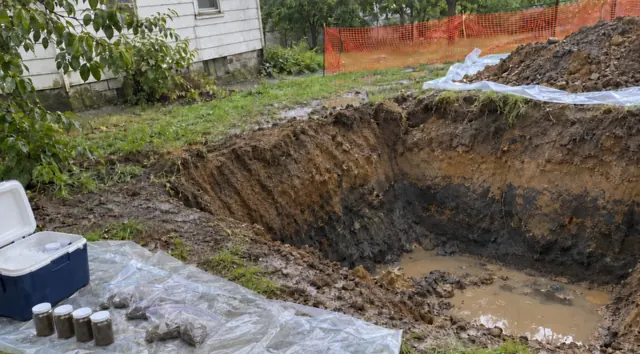
After tank pull or in-place closure, contractors collect soil samples from the excavation pit bottom and sidewalls per NR 716 protocols. Samples ship to a Wisconsin-certified analytical lab for testing against PVOC, GRO, DRO, and PAH standards. Groundwater is sampled through monitoring wells if contaminated soil is left behind or if the water table sits within roughly six feet of the dig. Lab turnaround typically runs 10 to 21 business days, with rush options for transactions on a tight closing schedule. Results above NR 720 enforcement standards trigger a remedial action options report submitted to the DNR project manager.