Tank Inspection & Testing Contractors in Vermont
Find contractors in Vermont for tank tightness testing, UST compliance inspection, leak detection, and line testing. Serving Burlington, South Burlington, Rutland, Montpelier, and communities statewide.
What to Know About Oil Tank Inspection & Testing in Vermont
Lake Champlain water quality drives Vermont tank inspection and testing requirements statewide. The Vermont Department of Environmental Conservation oversees underground storage tank compliance and requires routine integrity testing on active systems across the state. Annual line tightness testing, monthly leak detection monitoring, and triennial cathodic protection checks form the core operator obligations for petroleum facilities. Active facilities must register each tank with the state before placing fuel in service or returning to service after dormancy. A Phase I ESA often surfaces missing tank tightness test logs before a Burlington-area property transfer closes.
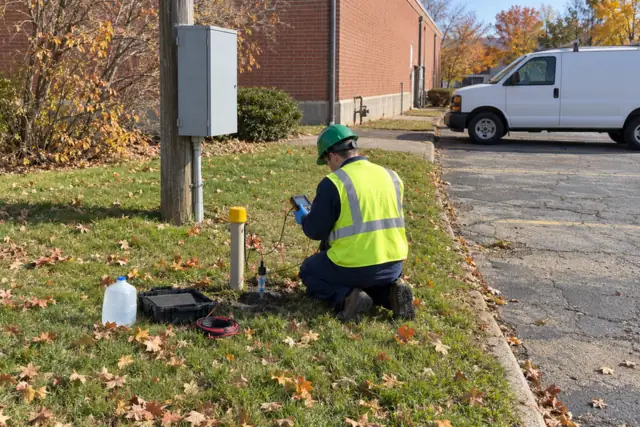
Demand concentrates in Burlington and South Burlington, where active gas stations and Chittenden County fleet yards drive most compliance inspection work. Rutland and Montpelier support a smaller but steady volume of municipal and contractor fueling sites that schedule annual tank tightness test rounds each spring. Vermont fuel oil dealers in Brattleboro, Bennington, and St. Albans operate bulk plants that need line testing and periodic UST compliance inspection. The state differs from larger Northeast markets because the contractor pool is small, with most leak detection technicians covering the entire state from a Chittenden County or Rutland hub. Ski resorts near Killington, dairy farm fuel pumps in the Champlain Valley, and rural convenience stores generate routine monthly monitoring and integrity testing through the May to October inspection season.
Tightness testing in Vermont typically runs $500 to $2,000 per tank, while a full UST compliance inspection on a two-tank station costs $1,500 to $3,500. Line testing alone runs $300 to $800 per line, and triennial cathodic protection surveys typically cost $400 to $900. Cost variation in Vermont tracks heavily to remoteness because Essex County or southern Bennington County sites add windshield time that does not exist in Chittenden County. The Vermont Petroleum Cleanup Fund administered by the DEC under Title 10 V.S.A. Chapter 59 may reimburse release-related costs, though the fund covers contamination response, not routine integrity testing. Fleet operators with three or more tanks should request bundled pricing because mobilization is the largest fixed cost in any tank tightness test scope.
The typical Vermont tank tightness test process starts with the contractor reviewing the facility's most recent inspection records, monitoring logs, and release detection equipment status. Field testing on a Burlington gas station tank takes 4 to 6 hours, while a full compliance inspection on a multi-tank station runs one to two business days. Confirmed leak detection failures must be reported to the DEC within 24 hours, and Vermont contractors performing UST work should hold current HAZWOPER training under federal 29 CFR 1910.120. Before hiring, ask the contractor to confirm tank tightness test method certification, provide insurance certificates including pollution liability, and submit a sample Vermont compliance inspection report. Request your DEC tank registration number before scheduling so the contractor can pull the facility's historical testing records.
Tank Inspection & Testing Contractors in Vermont
Browse contractors, see contact details, and request free quotes.
Browse Vermont Contractors →Frequently Asked Questions
Does Vermont require special certification to inspect or test underground storage tanks?
Vermont does not require a separate state UST inspector license, but contractors must use tank tightness test methods approved under EPA 40 CFR 280.43. Most Vermont leak detection technicians hold Petroleum Equipment Institute or NACE credentials. Companies must register with the DEC Waste Management and Prevention Division and carry pollution liability insurance. Confirm credentials before hiring by asking for the testing method approval letter and the technician credential card.
How much does annual UST compliance inspection cost in Vermont?
Annual compliance inspection on a typical two-tank Vermont gas station runs $1,500 to $3,500, including tank tightness testing, line testing, and a cathodic protection check on steel components. A standalone tank tightness test costs $500 to $2,000 per tank. Line testing alone runs $300 to $800 per line. Travel surcharges apply at sites in Essex County, the Northeast Kingdom, or southern Bennington County because of distance from the Chittenden County contractor base. Bundled multi-tank pricing typically reduces per-tank cost by 15 to 25 percent.
How long does a Vermont UST compliance inspection take?
Field work for a single tank tightness test takes 4 to 6 hours including setup, testing, and equipment breakdown. A full compliance inspection at a multi-tank gas station typically takes one to two business days. Written reports usually arrive at the facility owner within 7 to 14 days after field work completes. Vermont DEC review of submitted compliance documentation can take 30 to 90 days depending on workload. Schedule annual line testing at least four weeks ahead during the spring rush from April to June.
Does the Vermont Petroleum Cleanup Fund pay for routine tank inspections?
No. The Vermont Petroleum Cleanup Fund administered by the DEC reimburses release-related cleanup costs, not routine compliance work like tank tightness testing or annual line testing. To remain eligible, facility owners must keep current registrations, complete annual line testing, and demonstrate operational leak detection. Failure to perform required integrity testing can result in fund denial when a release later occurs. Treat the routine UST compliance inspection budget as an operating expense, not a recoverable cost.
What does a contractor check during a Vermont UST compliance inspection?
The technician verifies tank tightness using volumetric or non-volumetric methods, runs line testing on all product piping, and confirms leak detection equipment readings against current DEC records. Cathodic protection surveys check anode condition on steel tanks every three years per federal 40 CFR 280.31. The contractor reviews monthly monitoring logs, spill bucket integrity, overfill prevention equipment, and fill port labels. Sumps and dispenser pans get inspected for liquid intrusion. The final compliance inspection report flags any failures and lists corrective actions required before the next testing cycle.
Browse contractors, see contact details, and request free quotes.
Browse Vermont Contractors →For Vermont UST regulations, visit the Vermont Department of Environmental Conservation. Federal requirements are available from the EPA UST Program.
