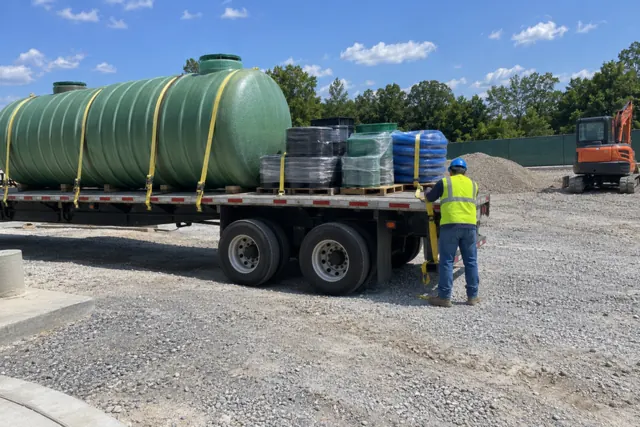
Find contractors in Washington for underground storage tank installation, fuel system installation, dispenser installation, piping installation, and monitoring equipment setup. Serving Seattle, Tacoma, Spokane, Vancouver, and communities statewide.
UST Installation in Washington: Permits, Costs, and Timelines
Demand for tank installation in Washington tracks two distinct markets. The Seattle, Tacoma, and Olympia corridor drives most commercial fueling projects, with convenience store chains expanding locations along the I-5 corridor and fleet operators upgrading aging fuel systems. Spokane and the Tri-Cities area see steady demand from agricultural fueling operations and truck stops serving cross-state freight routes. Bellingham near the Canadian border handles a smaller but consistent volume of marina and marine fueling installations. Gas station construction and rebuild projects make up the bulk of new UST work statewide, but school districts, transit agencies, and military installations also account for a meaningful share of the market.
New UST installations in Washington go through the state environmental agency's tank program, which issues permits and enforces both federal and state-level standards. All new tanks must meet federal technical requirements under 40 CFR 280 plus Washington's own secondary containment and spill prevention standards. Every new installation needs a notification form filed at least 30 days before the tank goes into the ground. Double-wall tanks with interstitial monitoring are the standard for new commercial installations in Washington, and single-wall steel tanks are no longer approved for new permits. Facilities storing petroleum or hazardous substances near the Puget Sound watershed face additional review because of the state's strict groundwater protection rules.
A single tank installation in Washington typically runs $50,000 to $150,000 depending on tank size, material, and site conditions. Multi-tank gas station build-outs with dispensers, canopies, and monitoring systems range from $250,000 to $500,000 or more. Monitoring equipment alone adds $5,000 to $15,000 per tank. The Pacific Northwest's high water table in western counties increases excavation costs because dewatering is almost always required during installation. Projects east of the Cascades tend to cost 10% to 20% less due to drier soil conditions and lower labor rates.
The installation process starts with site engineering and permitting, which typically takes 4 to 8 weeks before any excavation begins. Once permits are approved, the physical installation runs 2 to 6 weeks depending on the number of tanks and complexity of piping and dispenser connections. Contractors must perform precision testing on all piping, tank integrity checks, and leak detection system verification before the state will authorize fuel delivery. Get confirmation that your contractor handles the full scope: tank setting, backfill, piping, electrical, dispenser mounting, and state inspection coordination. Hiring separate subcontractors for each piece creates finger-pointing when something fails a test, and some tank manufacturers require their own technicians to configure monitoring systems for the warranty to remain valid.
Does Washington require a license for UST installation?
Washington requires UST installation to be done or directly supervised by a service provider certified in installation, through the International Code Council exam or another Ecology-approved exam, under WAC 173-360A-0930. This applies to all commercial underground storage tank work, including new installations, replacements, and major modifications to existing systems. General contractors without this specific credential cannot legally install USTs in Washington. Before signing a contract, verify that the installer's certification is current and covers the type of tank system you are putting in.
How much does it cost to install an underground storage tank in Washington?
A single underground storage tank installation in Washington typically costs between $50,000 and $150,000. That range covers the tank, excavation, backfill, piping, and basic monitoring equipment. Multi-tank projects at gas stations or fleet facilities run $250,000 to $500,000 or higher when dispensers, canopies, and POS systems are included. Projects in western Washington tend to cost more than eastern Washington because of higher water tables, stricter local permitting, and elevated labor costs in the Puget Sound metro area.
How long does a UST installation take in Washington?
Plan for several months from project kickoff to fuel delivery. Permitting and engineering typically consume 4 to 8 weeks before construction starts. The physical tank installation and site work take another 2 to 6 weeks depending on how many tanks are going in and whether the project includes dispensers and canopy work. Final inspections, leak testing, and state authorization to operate add 1 to 2 weeks at the end. Winter rain in western Washington can extend timelines if the excavation site floods repeatedly.
Why does western Washington cost more for tank installation than the eastern part of the state?
Western Washington sits in a high-rainfall zone with water tables that often sit within a few feet of excavation depth. Contractors have to pump water continuously during installation, which adds equipment costs and slows the schedule. Seattle and Tacoma metro area labor rates are also 15% to 25% higher than rates in Spokane or the Tri-Cities. Local permitting in King County and Pierce County jurisdictions tends to be more involved, adding engineering review fees. Eastern Washington's drier climate and sandier soils make excavation faster and less expensive in most locations.
What monitoring equipment is required for new UST installations in Washington?
New petroleum tanks in Washington must be double-walled and checked by interstitial monitoring at least every thirty days under WAC 173-360A-0610, and pressurized piping needs an automatic line leak detector. Electronic monitoring systems that report to a central console are the standard for commercial facilities. These systems run $5,000 to $15,000 per tank depending on the manufacturer and features. Some operators opt for statistical inventory reconciliation as a secondary method, but it does not replace the hardware-based detection that Washington requires for new installations. Annual testing of all monitoring components is mandatory after the system goes live.