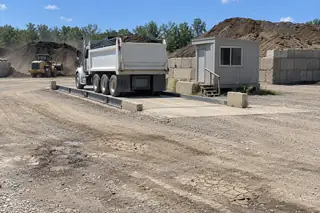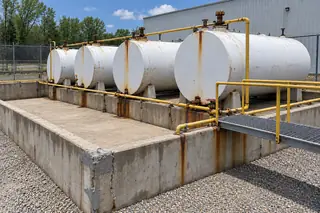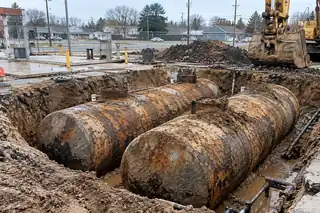
Full scale PFAS remediation of groundwater runs $500,000 to $5 million or more. Site investigation alone can cost $50,000 to $250,000 before any treatment starts. PFAS contamination is also the most complex cleanup property owners face.
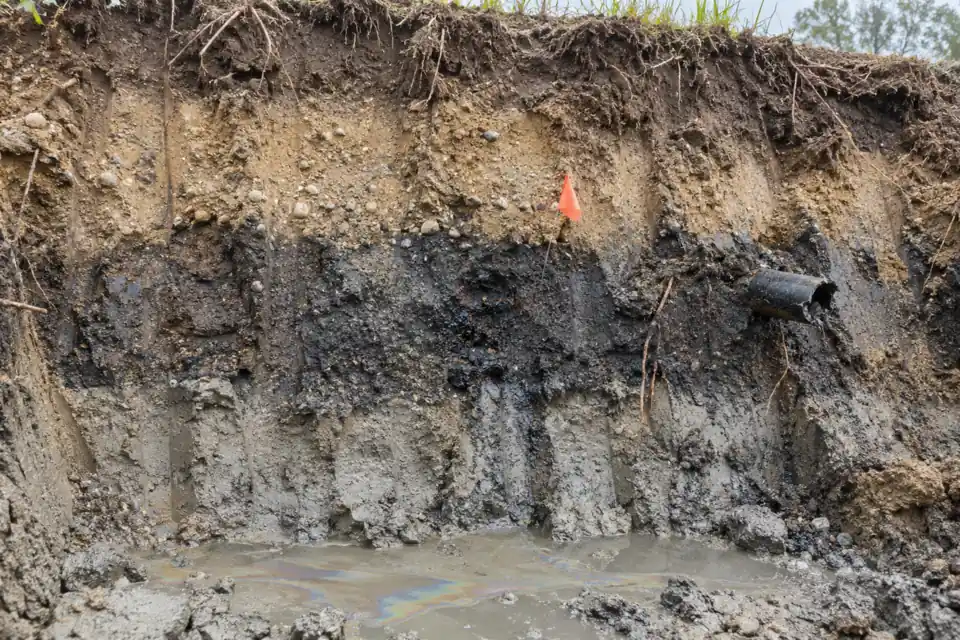
Per and polyfluoroalkyl substances, known as PFAS or forever chemicals, are a class of over 10,000 synthetic compounds that resist heat, water, oil, and biological breakdown. That resistance is exactly what made them useful in manufacturing. It is also what makes PFAS cleanup so difficult. These chemicals do not break down naturally in soil or groundwater. They persist for decades, migrate through aquifers, and accumulate in drinking water sources at concentrations measured in parts per trillion.
If your property has PFAS contamination, you are dealing with a regulatory environment that is evolving faster than any other area of environmental law. The EPA finalized enforceable drinking water limits for PFOA and PFOS in 2024 and designated both as hazardous substances under CERCLA. Billions in federal funding followed for PFAS investigation and cleanup. State agencies have been moving even faster, with some setting standards stricter than the federal limits.
The combination of extreme persistence, expanding regulations, and enormous cleanup costs makes PFAS contamination fundamentally different from petroleum or solvent contamination. Understanding those differences is the first step toward managing the risk.
PFAS contamination behaves differently from every other contaminant property owners typically encounter, and those differences affect every aspect of a PFAS cleanup, from technology selection to timeline to cost.

Why PFAS Contamination Is Different
Conventional petroleum contaminants break down over time through natural biological processes. Bacteria in soil consume hydrocarbons and convert them into harmless byproducts. That is why monitored natural attenuation works for many petroleum sites. PFAS molecules resist biological degradation entirely. The carbon fluorine bonds that define these chemicals are among the strongest in organic chemistry. No naturally occurring process breaks them down at environmentally relevant timescales.
PFAS are also highly mobile in water. Petroleum contamination tends to stay relatively close to its source because hydrocarbons bind to soil particles. PFAS dissolves readily and travels with groundwater, sometimes migrating miles from the original release point. A single contamination source can affect an entire community's drinking water supply. That mobility is why PFAS contamination at military bases and industrial facilities has affected water systems serving hundreds of thousands of people.
Detection thresholds for PFAS are measured in parts per trillion, not parts per billion like most environmental contaminants. The EPA's drinking water standard for PFOA and PFOS is 4 parts per trillion each. To put that in perspective, one part per trillion is equivalent to one drop of water in 20 Olympic swimming pools. The analytical precision required to measure contamination at these levels makes sampling and monitoring significantly more expensive than conventional environmental testing.
Regulatory standards are still shifting. Several states have set their own PFAS limits that are stricter than the federal standards. The list of regulated PFAS compounds continues to expand beyond the original PFOA and PFOS. A site that meets today's standards may not meet next year's, which creates ongoing uncertainty for property owners and PFAS treatment facilities.
The sheer number of PFAS compounds, over 10,000, means that regulations are likely to continue expanding for years. Planning a PFAS project in this environment requires building flexibility into the approach from the start.
Where PFAS Contamination Comes From
PFAS contamination enters the environment from a concentrated set of sources, and knowing the source determines the scale and complexity of the cleanup.
Aqueous film forming foam, known as AFFF, is the single largest source of PFAS contamination at specific sites. Military bases, airports, refineries, and fire training facilities used AFFF for decades in firefighting operations and training exercises. The foam was applied directly to the ground, and PFAS migrated into soil and groundwater beneath every location where it was used. The Department of Defense estimates its PFAS investigation and cleanup costs will exceed $9.3 billion, having tripled since 2022.
Industrial manufacturing facilities that produced or used PFAS compounds are the second major source. This includes facilities that manufactured PFAS directly, as well as facilities that used PFAS in products like nonstick coatings, water resistant textiles, food packaging, and semiconductor manufacturing. Wastewater discharges and air emissions from these facilities have contaminated surrounding communities.
Landfills are an often overlooked source. Consumer products containing PFAS end up in landfills, where the chemicals leach into water that collects at the bottom of the landfill. That leachate is typically sent to wastewater treatment plants that are not designed to remove PFAS, which then discharge the contaminated water into rivers and streams. This pathway means PFAS contamination can appear in areas with no obvious industrial source.
Biosolids, the treated sludge from wastewater treatment plants applied to agricultural land as fertilizer, have spread PFAS contamination to farms across the country. Some states have discovered PFAS levels on agricultural land that exceed residential screening levels, raising concerns about food safety and farmland values.
PFAS Remediation Technologies That Work
Not all PFAS treatment technologies produce the same results, and the gap between what works in a laboratory and what works at full scale remains significant for many approaches.
Granular activated carbon filtration is the most widely deployed PFAS treatment technology for contaminated water. GAC adsorbs PFAS molecules onto carbon surfaces as water passes through the filter. It is effective, commercially proven, and relatively straightforward to install. The limitation is that GAC works best on longer chain PFAS like PFOA and PFOS. Shorter chain PFAS compounds break through the carbon faster, requiring more frequent filter replacement and driving up operating costs. One Minnesota study found that newer short chain PFAS are up to 70 percent more expensive to remove than legacy long chain compounds.
Ion exchange resins are the second major PFAS treatment technology for water. These resins selectively capture PFAS molecules and can achieve lower effluent concentrations than GAC for certain compounds. They require less frequent replacement than GAC for short chain PFAS, which can make them more cost effective over the life of the system. Both GAC and ion exchange produce spent media that must be disposed of or regenerated. PFAS treatment and disposal of that spent media is an additional cost that many initial estimates undercount.
High temperature incineration and supercritical water oxidation are the leading PFAS destruction technologies. They actually break the carbon fluorine bond and eliminate PFAS rather than simply moving it from water to a filter. These technologies operate at extreme temperatures or pressures. They are effective but expensive and not yet widely available at commercial scale for all applications. Several emerging PFAS destruction approaches, including electrochemical oxidation and plasma based systems, are in development but have not been proven at the scale needed for most contaminated sites.
Choosing among these technologies depends on three factors. Which compounds are present, what concentrations need to be achieved, and whether the goal is removal from water or actual destruction of the chemicals. Most PFAS treatment systems in the field today remove and concentrate PFAS rather than destroy it, which means the disposal question follows the treatment question.
PFAS in Soil: A Separate Problem
PFAS in soil presents different challenges than PFAS in water, and the remediation approaches are less mature.
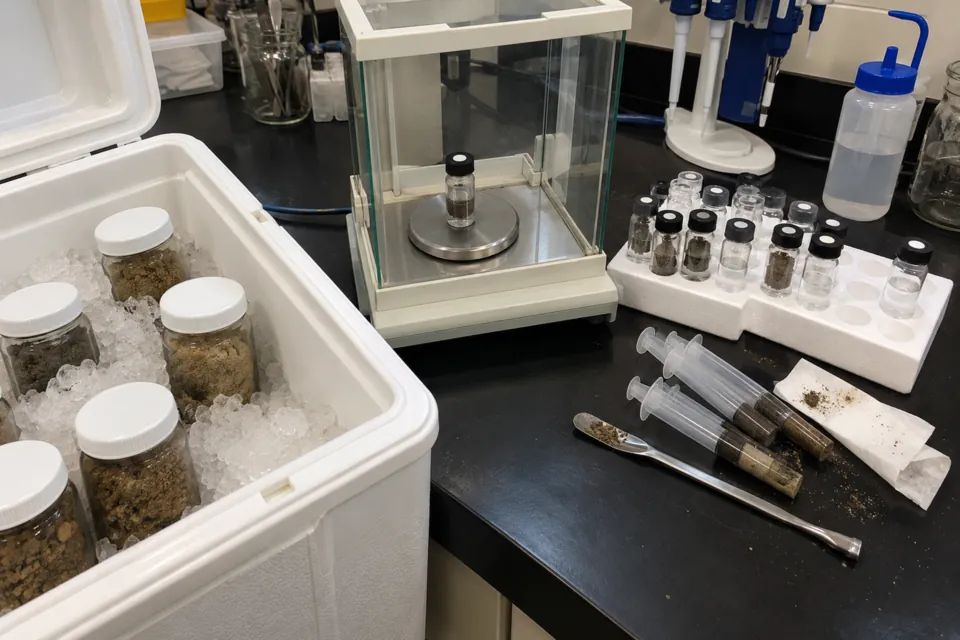
Most PFAS soil contamination is treated through excavation and disposal at a lined landfill, essentially digging up the contaminated soil and moving it somewhere contained. This is effective at removing the source but does not destroy the PFAS. The chemicals persist in the landfill and can leach into leachate management systems over time. For sites where the contamination volume is manageable, PFAS soil treatment through excavation remains the most practical option.
Soil washing separates PFAS from soil particles using water and surfactants, concentrating the contamination into a smaller volume that can then be treated or disposed of. This approach reduces the volume of material that needs to go to a landfill but requires specialized equipment and generates contaminated wash water that needs its own treatment.
Thermal PFAS decontamination of soil is an emerging approach. It heats contaminated soil to temperatures high enough to volatilize PFAS compounds, which are then captured and destroyed in a secondary treatment system. This is the closest thing to a permanent fix for PFAS in soil, but it is energy intensive and expensive. Full scale applications are still limited, and cost data at scale is sparse.
Pfas cleanup is expensive. There is no way around that.
What PFAS Cleanup Costs
Pfas cleanup costs vary enormously based on the source, the media contaminated, the volume affected, and the treatment technology selected.
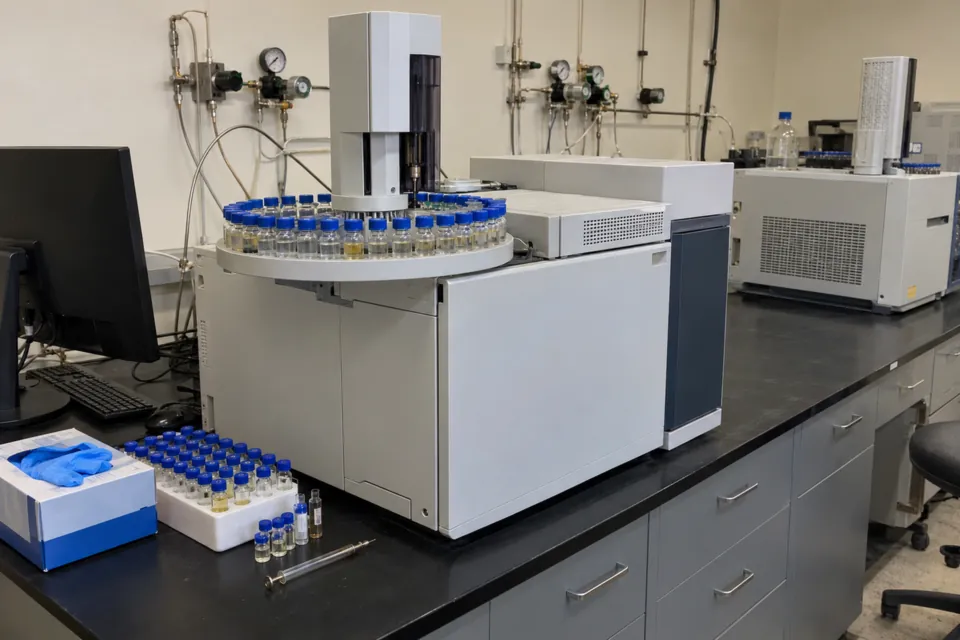
Site investigation alone can cost $50,000 to $250,000 for PFAS because the analytical testing is more expensive than conventional environmental sampling. Detecting PFAS at parts per trillion concentrations requires specialized laboratory methods. Each sample costs significantly more to analyze than a standard petroleum or solvent sample. A thorough investigation requires dozens or hundreds of samples across soil, groundwater, surface water, and sometimes drinking water.
Full scale PFAS treatment systems for contaminated groundwater run $500,000 to $5 million or more depending on the flow rate, the PFAS concentrations, and the treatment goals. Operating costs for GAC or ion exchange systems add $50,000 to $200,000 per year for media replacement, monitoring, and reporting. A system that runs for 10 years can easily double the initial capital cost in cumulative operating expenses.
Military installations represent the extreme end of the cost spectrum. The Department of Defense's estimated $9.3 billion in future PFAS costs covers 718 installations. Municipal water systems facing PFAS contamination are estimated to spend $1.5 billion annually to comply with the new federal drinking water standards. The EPA allocated $9 billion through the Infrastructure Investment and Jobs Act specifically for communities with PFAS contaminated drinking water.
PFAS liability is the fastest moving area of environmental law.
Who Is Responsible for PFAS Remediation
PFAS liability is evolving faster than any other area of environmental law, and the rules in 2026 look different than they did even two years ago.
The EPA designated PFOA and PFOS as hazardous substances under CERCLA, which means the full Superfund liability framework applies to PFAS contamination. Responsible parties can be held strictly, jointly, and severally liable for cleanup costs. That includes current and former property owners, operators, and any party that arranged for the disposal of PFAS containing materials. A court order preserved these designations in January 2026 even as the regulatory framework continues to evolve.
PFAS remediation companies and environmental attorneys are closely watching how CERCLA liability will play out. The chain of responsibility extends far beyond the parties who manufactured or directly used PFAS. Municipalities that received PFAS in their wastewater, farms that applied PFAS contaminated biosolids, and airports that used AFFF could all face liability, and the legal battles over cost allocation are just beginning. State cleanup funds that cover petroleum contamination generally do not cover PFAS. Federal funding through the Bipartisan Infrastructure Law provides some relief, particularly for drinking water systems and disadvantaged communities, but private sites may need to fund their own cleanups. Insurance coverage for PFAS liability is limited and heavily litigated.
If you are buying property near a known PFAS source, a PFAS specific assessment during due diligence is worth the cost. This applies to any property with a history of AFFF use, industrial PFAS processing, or proximity to a military installation. Discovering PFAS contamination after closing without having investigated it puts you on the wrong side of CERCLA. See our ESA pricing when contaminants are suspected guide for Phase 1 baseline costs that the PFAS-specific testing sits on top of.
Selecting a contractor for PFAS remediation requires different criteria than selecting one for conventional environmental cleanup.
Finding a PFAS Remediation Contractor
Look for PFAS remediation companies that can point to completed PFAS projects, not just general environmental cleanup credentials. PFAS analytical methods, treatment technologies, and regulatory requirements are highly specialized. A firm experienced in petroleum cleanup but new to PFAS can make expensive mistakes in technology selection and regulatory strategy.
Ask whether the contractor has completed PFAS projects that achieved regulatory closure, not just projects that are ongoing. PFAS cleanup is new enough that many firms have projects in progress but few have taken sites all the way through to a No Further Action determination. Completed projects with documented results tell you more than a list of active contracts.
Verify that the contractor uses accredited laboratories for PFAS analysis and follows EPA Method 533 or 537.1 for drinking water or EPA Method 1633 for other media. PFAS sampling requires specific protocols to avoid cross contamination. Trace level PFAS from sampling equipment, field supplies, or even the sampler's clothing can produce false positive results that distort site characterization and inflate remediation scope.
If your property has PFAS contamination or you suspect it based on the property's history, start with our directory. Find environmental remediation contractors in your state and ask each one about past PFAS projects, or request a free quote to begin evaluating your options.
PFAS does not degrade. The regulations will not relax. And waiting only makes it more expensive.