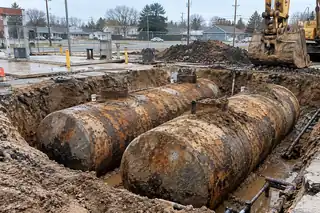
A clean residential oil tank removal costs about $1,500 to $3,500 nationally. That is our national planning range for a 275 to 550 gallon buried tank with no leak, not a price for your state. New York's environmental agency gives homeowners a wider span: removal can cost $1,000 to $5,000, depending on the size, condition and access of each tank.
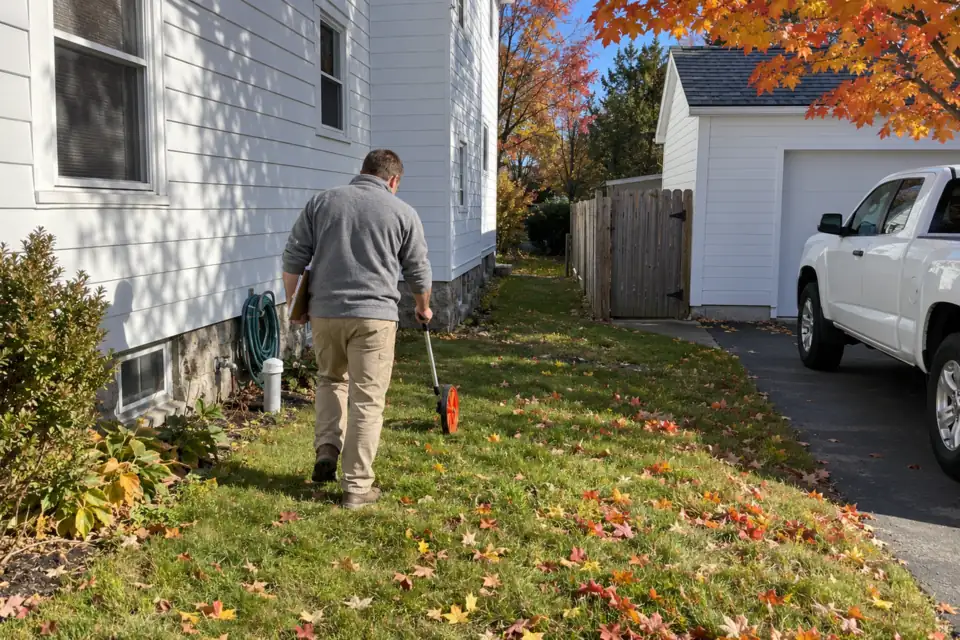
That's the clean answer. Your actual oil tank removal cost depends almost entirely on one thing: whether contamination is present. Owners removing a tank because they are switching fuels should read the oil to gas conversion cost breakdown first, since the tank line is the one an HVAC quote usually leaves out.
Home heating oil tanks sit outside most federal tank rules. 40 CFR 280.12 excludes tanks that store heating oil used on the premises, so a home tank answers to state and local rules, and those differ widely. Commercial fuel tanks are a different case, covered further down.
A clean removal follows the same steps almost everywhere. A crew locates the tank, pumps out the remaining oil and sludge, cuts the supply and vent lines, lifts it out, takes soil samples where the state or the buyer expects them, and backfills. The full heating oil tank removal process walks through each step, and any closure paperwork waits on the lab results.
The prices in this guide are planning figures, not quotes. Where a number comes from a state agency, a federal study or a firm's own price list, the guide names the source, so you can check it and see how old it is. Get written estimates for your own tank before you rely on any of them.
What does a clean oil tank removal cost?
Most clean removals land inside the national planning range, and tank size moves the price more than anything else. Alpha Environmental, a heating oil tank firm in Beaverton, near Portland, holds a license from its state's environmental agency. It publishes its 2022 prices for tanks that have not leaked: $1,800 to $2,500 for 550 gallons or smaller, $3,500 to $4,500 for 1,000 to 1,499 gallons, and $4,000 to $5,000 for 1,500 to 1,999 gallons.
Above ground and basement tanks usually cost less, because nothing has to be dug up. The job is mostly pumping, cutting the lines and hauling it away. The same firm lists $1,000 to $2,500 to remove an above ground tank. Tanks under a patio, on a tight lot or buried deep push a job toward the top of its range.
Soil sampling is a separate line. Oregon's Department of Environmental Quality tells home buyers that a soil test may cost about $200 to $300. How many samples to take, and whether a state asks for them at all on a home tank, differs by state. Ask what your state expects and make sure the lab work is itemized.
Permit fees are set by the town, county or fire department, and they are usually small. Published residential schedules we checked run from about $50 to about $240 per tank, for example Fairfax County, Virginia and Seattle. In Nassau, Suffolk and Westchester counties in New York, county rules can also apply to home tanks, so check with the county before work starts.
Get at least two written estimates and compare what each one includes: pumping and disposing of the remaining oil, disposing of the tank, sampling, the permit and backfill. A low quote that leaves out sampling or disposal is not a low price. Our guide on how long oil tank removal takes covers the calendar.
How much does contamination add?
A leak turns a removal into a cleanup, and the cost can multiply. Massachusetts' environmental agency warns homeowners that cleaning up a simple leak can cost as much as $15,000, and that complex leaks reaching groundwater can cost $250,000 or more.
Many home leaks cost far less than the worst case. Connecticut's Council on Environmental Quality reported in 2019 that the state's response to a home heating oil release cost about $7,400 on average, with a median near $3,500. The bill grows when oil reaches groundwater, a well or a neighbor's property.
The best data on how cleanup costs grow comes from a 2022 LUST cleanup cost study EPA commissioned, covering state cleanup fund sites in Kansas, South Carolina and Virginia. According to that EPA study, each extra day a project stayed open added about $116 to its total cost, and Kansas sites with free product floating on the groundwater averaged $411,198. Time is the hidden cost multiplier.
One caveat on those EPA figures: the study covered federally regulated tanks, such as gas station tanks, and left home heating oil tanks out. A 275 gallon home tank leaking into a patch of backyard soil is a very different project from a 10,000 gallon station tank reaching an aquifer. The pattern still holds: the longer a leak goes undetected, the more it costs.
Check your insurance before any digging starts. New York's environmental agency warns that a homeowner policy with a pollution exclusion can leave you with the bill. In Massachusetts, state law requires home insurers to offer optional oil leak coverage, and an insurer may ask for proof that the oil supply line has a safety valve or protective sleeve. Most policies leave this coverage out unless you add it.
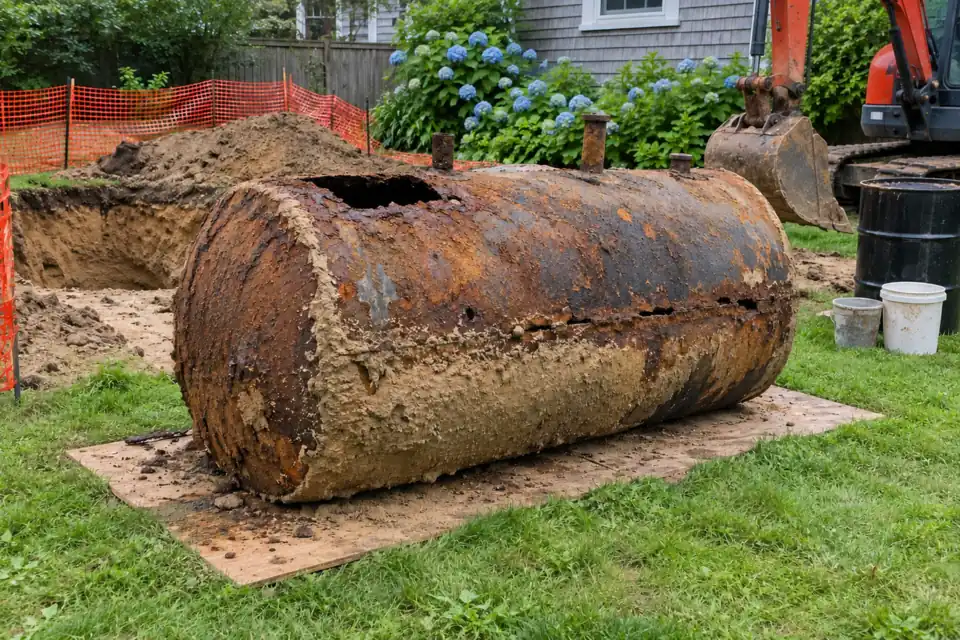
Will your state help pay for removal or cleanup?
Probably not for a removal, and only in a few states for a cleanup. A few states help pay to clean up a leak from a home heating oil tank, and a few help lower-income owners remove or replace an old tank. Most programs will not pay to remove a tank that never leaked, several pay only for work they approve in advance, and some states have closed their programs.
Washington's Heating Oil Loan and Grant program, run by the Pollution Liability Insurance Agency, can fund up to $75,000 for one heating oil tank, combining grants and a loan. If the site assessment finds a leak, a cleanup grant of up to $60,000 can apply, while removing or replacing one that has not leaked is mostly paid with a loan. Anyone who owns the property can apply. Applications open in two short windows a year, and the agency pays contractors directly for work it approves in advance, so it will not repay work you already did.
Pennsylvania's Department of Environmental Protection repays up to $4,000 per buried heating oil tank for leak cleanup costs, after a $1,000 deductible. The program is funded through USTIF, with up to $750,000 a year paid first come, first served, through December 31, 2027. Eligible tanks must be underground and hold 3,000 gallons or less, and the leak must have happened or been found on or after January 30, 1998. Removal without a leak is not covered.
Vermont's Petroleum Cleanup Fund helps pay to clean up a leak from a residential heating oil tank after a $250 deductible, with no income test, and a separate state grant helps lower-income homeowners close, replace or upgrade a tank. Maine's cleanup fund can pay for a leak cleanup directly. If you run the cleanup yourself and want to be repaid, Maine law requires a written agreement and you must apply within 180 days of reporting the leak. The Maine fund does not pay for tank removal.
New Jersey's UST Fund still accepts applications for leaking residential tanks, but it holds them until money is available, and the fund's page puts the wait at 3.5 years. Grants for removing tanks that have not leaked ended in 2011. Connecticut no longer helps pay: its environmental agency says there is no state funding for residential heating oil tank removal, replacement or leak cleanup.
Who should do the work?
Hire a firm that holds the credential your state and any funding program require, because those rules differ. New Jersey requires a DEP certified closure contractor to remove or close any buried home heating oil tank, whether or not its UST Fund pays. Pennsylvania's cleanup program does not require a state certified tank company. Oregon lets homeowners decommission their own tank but requires a DEQ licensed provider if you hire the work out. Ask which credentials your state and your funding program require, and check them with the state yourself.
The honest tradeoff is that environmental contractors often charge more than general excavation companies, and a backhoe operator's quote can come in well below an environmental firm's for the same job. The difference shows up if contamination appears mid-dig. An experienced environmental firm knows the sampling rules, carries pollution insurance and handles the paperwork.
Ask how the soil samples will be taken, how many, and which lab will run them. A result that doesn't meet your state's or your buyer's requirements can mean paying to sample again. If the tank comes out clean, you paid a premium you didn't strictly need, and you don't know that until the lab results come back.
USTContractors.com lists contractors who handle residential and commercial oil tank removal. Check each firm's credentials with your state before you hire. Comparing Maryland oil tank removal contractors, or the firms in whichever state your property sits in, is the practical first step.
Removal isn't the only option. Some states and cities allow closing tanks in place: it is pumped, cleaned and filled with an inert material, and Seattle's fire code guidance lists sand, concrete slurry and foam. Other states limit closing in place, so ask your fire department or state agency first. Owners going that route can compare Indiana tank decommissioning contractors and the matching pages for other states.
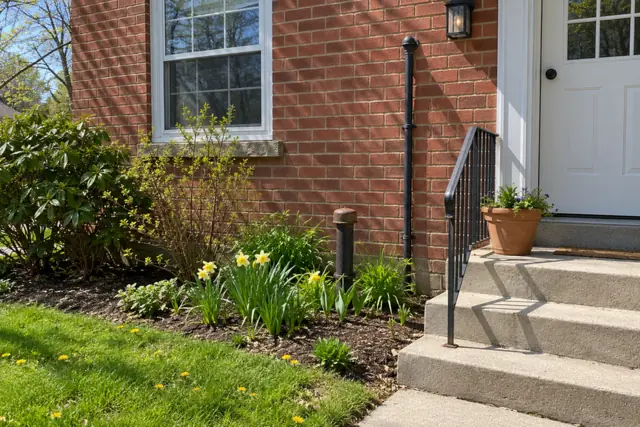
What does a commercial tank cleanup cost?
Commercial cleanups cost far more than home ones. In EPA's 2022 LUST cleanup cost study, average total costs per site ran from about $88,000 to about $300,000 across the three states studied, and median costs were lower, from about $27,000 to about $266,000. The highest figures came from Kansas, which counted only sites that needed active cleanup.
How a site is cleaned up moves the bill. In the same study, sites that needed active remediation averaged $255,491, while South Carolina sites handled by monitored natural attenuation, where the contamination is tracked as it breaks down, averaged $120,244.
Federal rules apply to most commercial underground fuel tanks over 110 gallons. They add tank registration, release reporting and closure records, so a commercial removal carries more paperwork as well as more digging.
Owners of tanks at petroleum marketing facilities must also show they can pay for a cleanup. 40 CFR 280.93 sets financial responsibility of at least $1 million per occurrence for those tanks, which an owner can meet with insurance, a state fund or another mechanism the rule allows.
For a line by line breakdown of commercial tank removal, from single tanks to multi tank stations, see our guide on underground storage tank removal cost.
Should you remove the tank before you buy or sell?
Usually yes, because a buried tank is easier to price before a closing than after one. If you're buying a property with a known buried oil tank, your inspector flags it, you get a written removal quote, and you negotiate a credit from the seller to cover removal and soil sampling. If it comes out clean, the credit covers the job and you close with no buried liability.
Compare that to skipping removal and closing as is. If it starts leaking a few years later, the cleanup is your problem, and a state fund, if your state has one, may cover only part of it. If the seller won't give a credit or pull it, some buyers walk away, and an unknown buried tank is a reasonable thing to walk away from.
Age is the other reason not to wait. Every year a buried steel tank sits in wet soil, corrosion advances. Oregon's environmental agency puts the useful life of an unprotected steel tank at about 20 years, and Connecticut's says about 15. If your home was built before 2000 and heated with oil at any point, the math is not in the tank's favor.
Sellers face the same math from the other side. A tank that is already out, with lab results and any closure paperwork in hand, takes one question off the buyer's list and one line off the inspection report.
Not every buried tank leaks. But you can't know the condition of a steel tank underground without pulling it or testing the soil around it. The real question is whether you'd rather find out on your terms or after a leak forces the issue. Our guide on what a UST contractor actually does explains the work, and you can request free quotes from removal contractors in your area to compare against these numbers.