
UST & Environmental Guides
In-depth guides on underground storage tanks, environmental assessments, remediation, compliance, and contractor selection. Written for property owners, facility managers, and contractors.
Removal & Closure
Cost, process, and contractor selection for removing and closing underground tanks.
 Oil Tank Removal Cost in 2026: Residential and CommercialWhat oil tank removal costs in 2026 by tank size, what a leak adds, which state programs still help pay, and the source behind each number.
 Can You Sell a House With an Underground Oil Tank?Yes, but financing and disclosure laws complicate it. What sellers need to know about removal timing, buyer objections, and closing strategies.
 Signs of an Underground Oil Tank on Your PropertyFill pipes, vent caps, dead grass, and petroleum smells are the most common signs of a buried oil tank. How to confirm what's under your yard.
 UST Closure Requirements for Gas Station Owners: What You Need to KnowGas station UST closure process: notification, removal, soil testing, cleanup fund eligibility, and what happens if you miss the deadline.
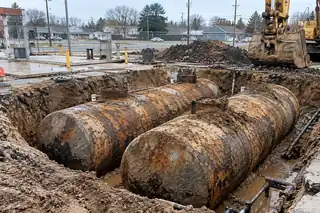 Underground Storage Tank Removal Cost in 2026: The Complete Commercial GuideCommercial UST removal costs $15,000 to $30,000 for a clean single tank. Multi-tank stations run $50,000 to $300,000+. Full breakdown.
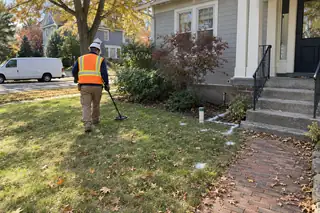 Do You Need to Remove an Oil Tank Before Selling Your House?You don't legally have to remove an oil tank before selling. Financially, you almost always should. The seller strategy.
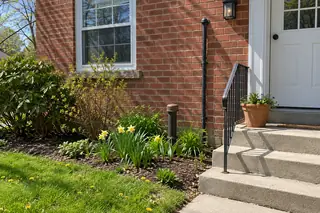 Your Home Inspector Found a Buried Oil Tank. Now What?Your home inspector found an oil tank on the property. What buyers and sellers need to know about removal, cost, and closing timelines.
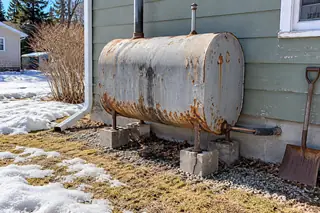 How Long Does Oil Tank Removal Take?Most oil tank removals take 1-3 days. Soil tests, permits and any cleanup sign-off take longer, so plan for paperwork, not the dig.
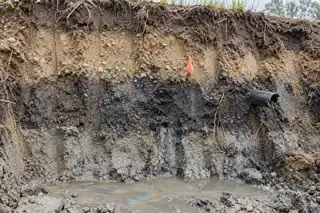 What Happens During an Oil Tank Sweep TestAn oil tank sweep test takes 30 minutes and detects buried metal under your yard. What GPR and magnetometer scans find, costs, and what comes next.
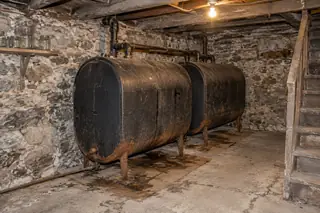 What Happens If a Buried Oil Tank Is Not RemovedA buried oil tank not removed costs more over time. The financial, legal, and property risks of leaving an underground tank in the ground.
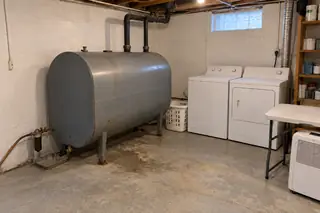 What Is an NFA Letter for an Underground Storage Tank?An NFA letter proves your underground storage tank cleanup is done. What it means, how long it takes by state, and what delays the process.
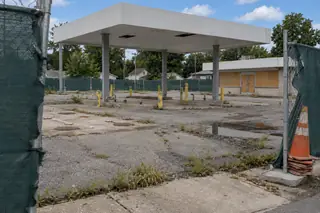 Tank Decommissioning vs Removal: Which Closure Method Is Right for Your PropertyTank decommissioning leaves the UST underground. Removal pulls it out. Costs, timelines, lender acceptance, and which method fits your situation.
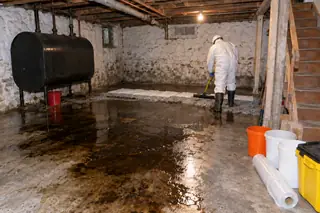 Heating Oil Tank Removal: Is It Required, and What It CostsNo federal rule requires removing a residential heating oil tank. Your state decides, and states split three ways. Costs, process, and how to find your answer.
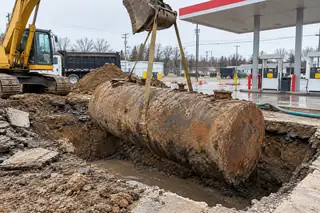 Oil Tank Removal ServicesFind oil tank removal contractors nationwide. Get free quotes, compare costs, and learn the removal process. Serving all 50 states.
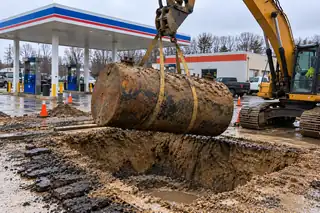 Oil Tank Replacement: Cost, Sizes, and Contractor SelectionCost, sizing, and brand comparison for residential oil tank replacement in 2026. Covers 275, 500, and 1,000 gallon options, Roth versus Granby, and the full install process from removal to closure paperwork.
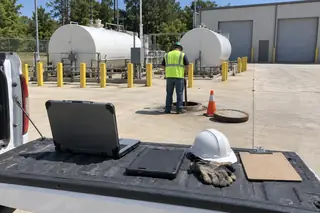 Above Ground Oil Tank: Sizes, Cost, and InstallationCost, sizing, code requirements, and contractor selection for residential above-ground oil tank installation. Covers indoor and outdoor placement, conversion from buried, and NFPA 31 compliance.
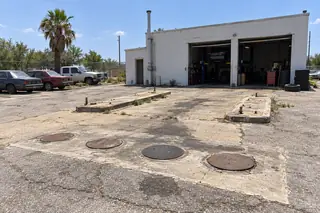 Oil Tank Abandonment: When Closure-in-Place Beats Removal (2026 Guide)Oil tank abandonment costs $1,000 to $3,000 for residential fill-in-place closure. When closing in place beats removal, the process, and the fund trap.
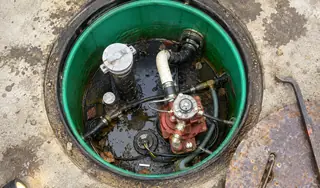 Oil to Gas Conversion Cost, and What Happens to the Old TankWhat an oil to gas conversion costs once the tank is priced in, whether to pull the tank or close it in place, and how to run the Btu comparison yourself.
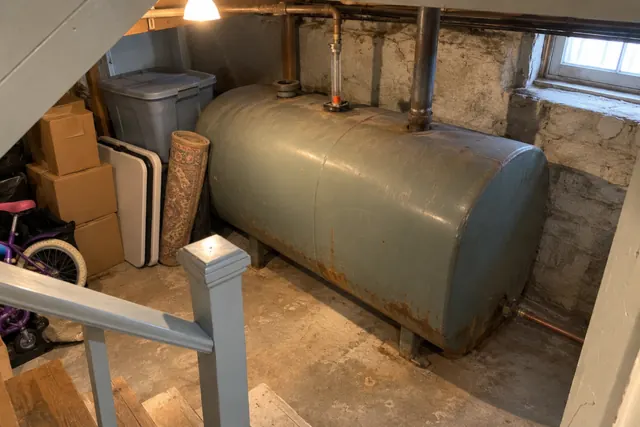 Oil Tank Repair vs Replacement: What Can Be Fixed and What Can'tOil tank repair covers fill and vent pipes, whistles, gauges, filters and supply lines. A weeping, rusted-through or patched shell means a new tank.Oil to Heat Pump: What Happens to Your Oil Tank and Who Pays to Close ItSwitching from oil to heat pump? Federal law does not make you remove the tank, but rebates and local codes can require closing it. What each program requires.
Site Assessment & Remediation
Browse remediation and closure products suppliers →
Environmental site assessments, soil testing, and remediation methods for contaminated properties.
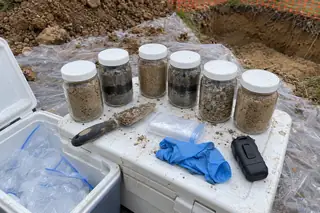 What Is a Phase 1 Environmental Site Assessment?A Phase 1 ESA evaluates a property for contamination risk before purchase. Learn the ASTM E1527-21 process, what it covers, and when you need one.
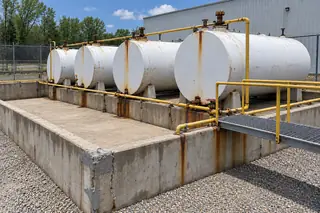 Phase 1 Environmental Site Assessment Cost in CaliforniaWhat a Phase 1 ESA costs according to public records, with California contract prices, the federal rules that set the scope, who pays, and when lenders require one.
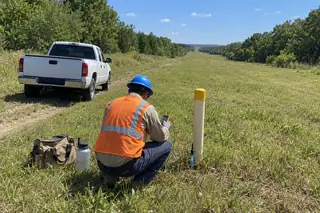 Property Condition Assessment Cost, ASTM E2018, ConsultantsWhat a property condition assessment covers, how much a PCA costs, how it differs from a Phase 1 ESA, and when commercial buyers need one.
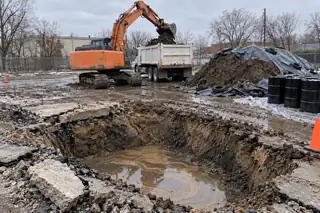 Soil and Groundwater Remediation Cost, Methods, ContractorsHow soil remediation and groundwater remediation work, what each method costs, when in-situ beats excavation, and what triggers regulatory cleanup requirements.
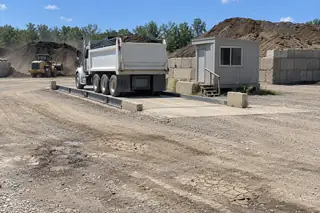 Environmental Remediation: From Investigation to ClosureEnvironmental remediation costs $10,000 to $500,000+ depending on contamination type and site size. Process, methods, timeline, and who pays.
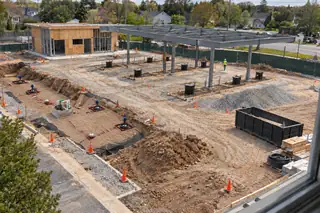 Brownfield Redevelopment: What It Actually Takes to Turn Contaminated Land Into Something UsefulHow brownfield redevelopment works, what EPA grants cover, typical cleanup costs, and how to structure a deal around contaminated property.
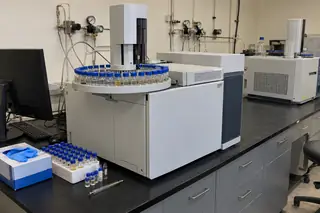 PFAS Remediation Cost, Methods, and ContractorsPFAS investigation starts around $50,000, and full groundwater treatment runs $500,000 to $5 million+. What works, what it costs, and who pays for forever chemical cleanup.
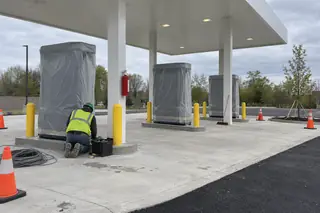 Closed Gas Station Redevelopment: What to Do With the Property After UST RemovalFive reuse options for former gas station sites plus brownfield funding, cleanup fund claims, and tax deductions after UST removal.
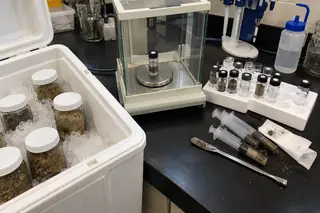 Oil Tank Soil Testing: What It Costs and What It Tells YouA soil test costs $200 to $600 and tells you if a buried oil tank has leaked. When you need one, when you don't, and what the results mean.
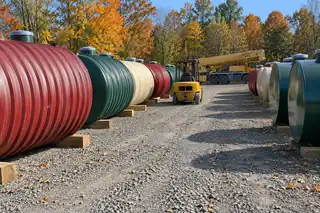 Your Phase 1 ESA Found a UST. Now What?A UST flagged on your Phase 1 ESA does not mean the deal is dead. Phase 2 testing, lender requirements, cost ranges, and how to hire the right contractor.
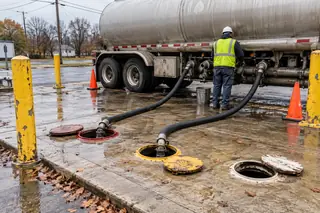 Environmental Drilling: Methods, Costs, and Regulatory FitEnvironmental drilling day rates run $2,500 to $5,500. Compare geoprobe, sonic, hollow-stem auger, mud and air rotary by cost, depth, and site fit.
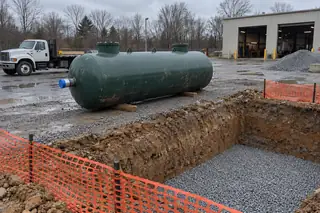 Monitoring Wells and Site Investigation: A Practical GuideA practical guide to monitoring well installation, soil boring, groundwater sampling, and site investigation for LUST, RCRA, and Brownfield sites.
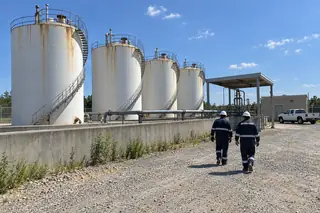 Phase 2 Environmental Site Assessment: A Practical GuideA phase 2 environmental site assessment uses soil and groundwater sampling to confirm Phase 1 RECs. Typical cost runs $5,000 to $50,000 over 30 to 90 days.
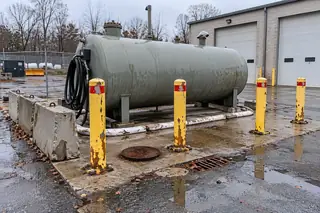 Contaminated Soil Disposal: Costs, Regulations, and LogisticsContaminated soil disposal can be the biggest line item on a UST closure project. Per ton pricing, RCRA rules, state action levels, and manifest logistics.
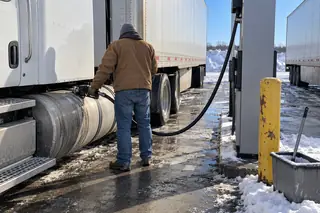 VOC Testing: EPA Methods, Sample Protocols, and Cost Per SampleVOC testing identifies petroleum contamination in soil, vapor, water, and air. EPA Method 8260D sample costs run $80 to $400 by matrix and turnaround.
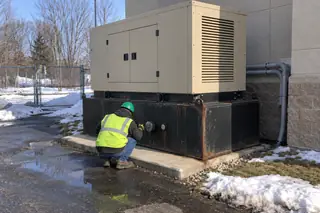 Contaminated Soil Disposal Cost: What Petroleum-Impacted Soil Really Costs in 2026Contaminated soil disposal cost runs $50 to $200 per ton at licensed facilities. Costs by treatment path, the tonnage math, and how to pay less.
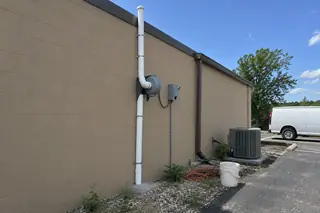 Vapor Intrusion Mitigation Systems: What They Cost and Who Installs ThemWhat vapor intrusion mitigation costs, how sub slab depressurization systems work, what testing proves, and how long a system has to keep running.
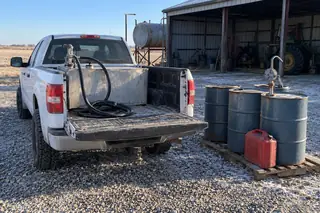 Heating Oil Spill in a Basement: Reporting Rules, Cleanup Cost, and Who to CallWhat to do in the first hour of a heating oil release, when it becomes reportable, what remediation actually involves, and what it costs.
 Phase 1 ESA Report Findings: What a REC, CREC and HREC MeanWhat the findings in a Phase 1 ESA report mean: REC, CREC, HREC, de minimis conditions and data gaps, when a Phase 2 follows, and how long it stays valid.Home Heating Oil Tank Leaks: Who Pays, State by State (2026)A state-by-state check of cleanup funds, insurance rules, sale disclosure laws and tank replacement help in the 12 states where heating oil is most common.
Tank Systems & Equipment
Browse cathodic protection suppliers →
Tank inspection, cathodic protection, cleaning, and ancillary equipment for active facilities.
Underground Storage Tank Inspection: What Each Test Actually Tells YouAn underground storage tank inspection covers tightness, line, and cathodic protection tests plus a visual check. This guide explains and prices each.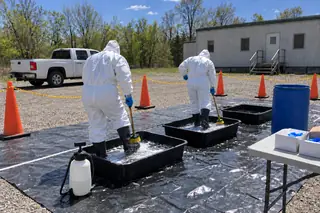 Fleet Fuel Management: Systems and Compliance GuideFleet fuel management hardware, software, ATG systems, fuel cards, 40 CFR 280 compliance, and ROI math for fleets from 25 to 400 vehicles.Spill Containment for Fuel and Oil Tanks: A Compliance GuideSPCC plans, secondary containment under 40 CFR 112, spill buckets, berms, and EPA rules for petroleum tank sites.
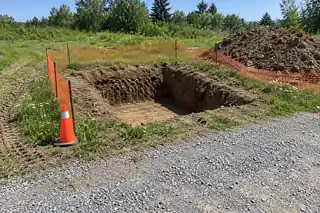 Tank Cleaning for Fuel Storage Tanks: Polishing, Costs, Standards, and HiringTank cleaning for fuel storage tanks: when to clean, fuel polishing vs a full cleanout, costs by tank size, ASTM and NFPA standards, and how to hire.
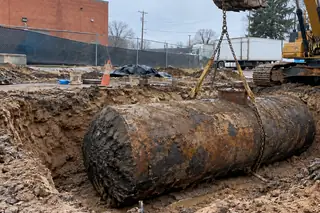 The Complete Guide to Oil Water SeparatorsAn oil water separator removes petroleum from wastewater before sewer or storm drain discharge. Federal rules, sizing, cost, and maintenance covered.
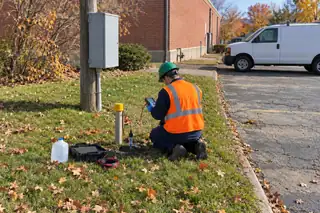 Impressed Current Cathodic Protection for USTsCathodic protection for steel USTs: how ICCP meets 40 CFR 280, rectifier and anode bed design, survey and testing methods, and system costs.
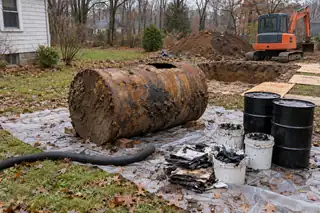 Tank Farm and Bulk Storage: A Compliance and Operations GuideTank farm guide: SPCC 40 CFR 112, API 653 inspection, secondary containment at scale, and upgrading or closing a bulk fuel storage facility.
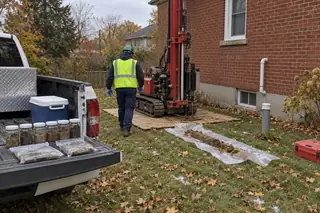 Secondary Containment: Federal Rules, Equipment, and ComplianceFederal rules, equipment types, and inspection findings for secondary containment on underground and aboveground petroleum storage. Covers spill buckets, dispenser sumps, berms, overfill protection, and contractor selection.Leak Detection System: UST Methods, Costs, and ComplianceMethods, costs, and recordkeeping for UST leak detection systems. Covers automatic tank gauges, interstitial monitoring, SIR, vapor and groundwater methods, plus 2026 install pricing.
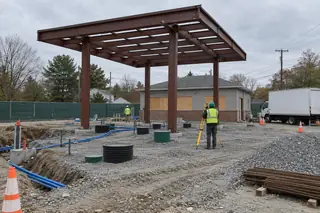 API 653 Inspection: The Aboveground Storage Tank Integrity StandardAPI 653 inspection sets the integrity standard for aboveground petroleum tanks. Intervals, scope, costs, and SPCC compliance explained.
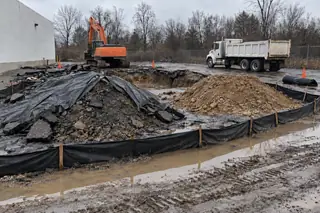 Tank Liner Installation: When UST Relining Beats ReplacementTank liner installation costs $5,000 to $15,000 per UST. When relining beats full replacement, what 40 CFR 280.21 requires, state acceptance map.STI SP001 Inspection: Who Needs One, How Often, and What It CostsSTI SP001 inspections for shop-built aboveground oil tanks: who needs one, how often, who may inspect, and what three federal contracts cost.
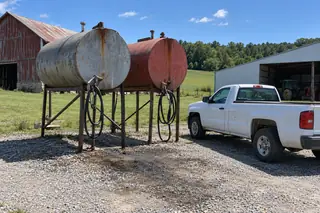 UL 142 Tank vs UL 2085 Tank: Choosing a Commercial Fuel TankUL 142 tank or UL 2085 protected tank? How the standards differ, when gasoline needs a protected tank, and what SPCC and OSHA require.
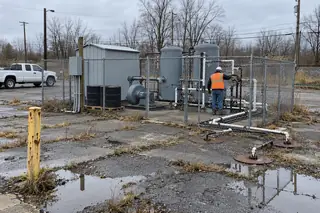 Generator Belly Tank Guide: Day Tanks, Fuel Testing and PolishingA generator belly tank sits under the set. Here is how NFPA 110 fuel testing, polishing, SPCC, Tier II and the UST 10% rule apply to it.
Training & Certification
Browse operator training suppliers →
OSHA, EPA, and industry certifications for tank workers and operators.
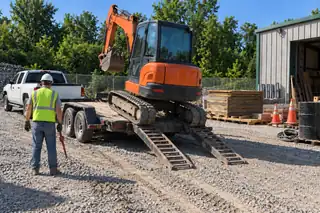 HAZWOPER Training: What It Costs, Who Needs It, and How to Stay CertifiedHAZWOPER training costs $150 to $900 depending on format. Learn which level you need, how to stay certified, and what OSHA actually requires.HAZWOPER Training Providers - Online and In-Person CoursesCompare online and in-person HAZWOPER training programs with pricing, course types, and what to look for in a provider.UST Operator Training: A Complete Guide to Class A, B, and C CertificationComplete guide to UST operator training under 40 CFR 280.240. Class A, B, and C requirements, costs, timeframes, and state by state rules.NACE Certification: AMPP Cathodic Protection Credentials ExplainedNACE certification is now AMPP. The four CP credential tiers, exam fees, renewal cycles, and what 40 CFR 280.31 requires of CP testers.Confined Space Training: The OSHA Guide for UST Tank Entry, Atmospheric Monitoring, and Rescue PlanningConfined space training rules under 29 CFR 1910.146. OSHA roles, atmospheric monitoring thresholds, rescue plans, and how to hire a qualified UST contractor.
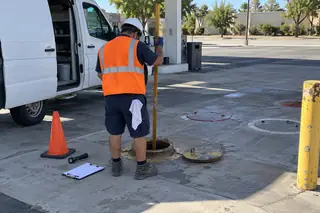 RCRA Training For Hazardous Waste Generators And UST ContractorsRCRA training covers every worker handling hazardous waste at a regulated generator. Learn LQG, SQG, VSQG thresholds and 40 CFR 262.17 refresher rules.Oil Spill Response Training: SPCC, OPA 90, and UST Release ResponseOil spill response training under 40 CFR 112 SPCC and OPA 90. Covers 4, 8, and 40 hour curricula, documentation, and 24 hour contractor hiring.
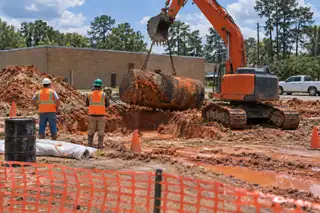 Competent Person Training for Excavation: OSHA Subpart P GuideOSHA competent person training for excavation under 29 CFR 1926 subpart P. Course costs, soil classification, protective systems, and UST site duties.
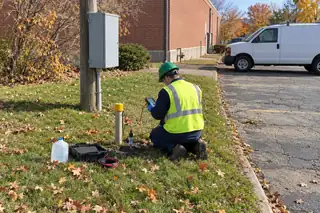 Site Specific Safety Plan: HASP Requirements Under 29 CFR 1910.120Site specific safety plan requirements under 29 CFR 1910.120: required elements, who signs the HASP, daily tailgate briefings, and OSHA state plan rules.
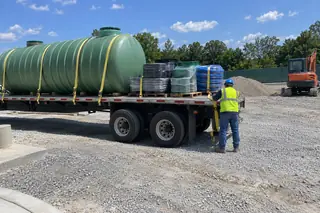 Confined Space Entry Permit: A Complete OSHA 1910.146 Guide for UST CrewsConfined space entry permit guide for UST crews. OSHA 1910.146 atmospheric testing, attendant duties, permit format, and rescue plan rules.Hot Work Permit: Free Printable Template and OSHA RulesA free printable hot work permit built on OSHA 29 CFR 1910.252 and 1926.352, with the fire watch time, who signs, and the rules for hot work on tanks that held fuel.
Compliance & Regulations
Browse compliance and fuel management software suppliers →
Federal and state UST regulations, deadlines, and operator responsibilities.
UST Compliance Deadlines by State: Testing, Closure, FundsUST compliance deadlines by state: California, Rhode Island and South Carolina closure dates, state tests stricter than federal, and cleanup fund claim cutoffs.SPCC Plan Cost, Requirements, and ConsultantsAn SPCC plan is required for facilities storing more than 1,320 gallons of oil aboveground. Learn which plan type you need, what it costs, and how to stay compliant.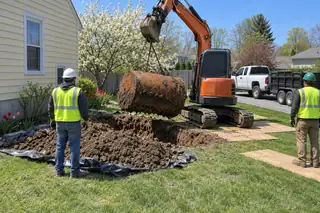 UST Compliance Deadlines 2026: The 3-Year Test Schedule for Gas Station TanksUST compliance deadlines 2026: spill bucket and sump tests and overfill inspections every 3 years, walkthroughs every 30 days, ATG tests every year.Pollution Liability Insurance: What It Covers, What It Costs, and Who Needs ItContractors pollution liability insurance costs $2,500 to $15,000 per year. Learn what CPL covers, who needs it, and how to avoid coverage gaps.
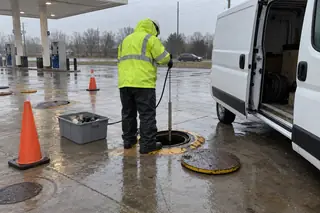 UST Compliance for Facility Owners: What You Actually Owe the EPAUST compliance starts with release detection, financial responsibility, and operator training. Here is what facility owners must do to avoid EPA enforcement.Who Is Liable for an Underground Storage Tank on a Leased Property?Liability depends on who owns the tank and what it held. Tenant defenses, lease language that works, and what to do right now.SWPPP Requirements, Inspections, and ComplianceA SWPPP is required by construction stormwater permits for sites disturbing an acre or more. Federal rules, inspections, violations, and state variations explained.Emergency Spill Response: NRC Reporting, Containment, and CleanupEmergency spill response means containment, NRC notification at 1-800-424-8802, and 24 hour cleanup. Learn reportable quantities and costs.
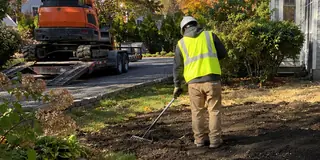 Catch Basin Cleaning Guide: Cost, Frequency, and Stormwater ComplianceCatch basin cleaning is a stormwater compliance duty set by NPDES permits and local rules. Cleaning frequency, vactor costs, sediment disposal, and MS4 rules.Does Your State Require a Licensed UST Contractor?UST contractor license requirements vary by state. See whether your state requires a licensed underground storage tank contractor, 50 states plus DC.Stage 1 Vapor Recovery and Stage 2 Removal: Federal and State Rules for Gas StationsStage 1 vapor recovery is federal law at busier gas stations. Who it covers, the 3-year tests, and where Stage 2 vapor recovery can come out.
Buying & Hiring
Due diligence for purchasing commercial property with tanks, what a fuel site costs to build and to run, and how to vet UST contractors.
Buying a Commercial Property With an Underground Storage TankCERCLA liability, the BFPP defense, five deal structures, lender requirements, and how to price a UST into your commercial property acquisition.What Does a Licensed UST Contractor Actually Do?UST contractors handle tank removal, installation, testing, and site assessment. What each license type covers and why credentials matter.How to Choose a UST ContractorHiring the wrong UST contractor can mean failed inspections, fines, and environmental liability. How to verify credentials and ask the right questions.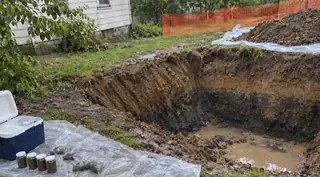 Gas Station for Sale: The Buyer's Due Diligence GuideEvery gas station for sale carries UST and cleanup liability. Phase 1 ESA, due diligence steps, and closing checks for buyers.
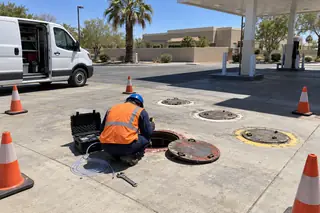 Hiring a UST Contractor After Operator Certification: What Comes NextNewly certified UST operators need a separate UST contractor for the field work. Here is how licensing, hiring, and paperwork actually work.
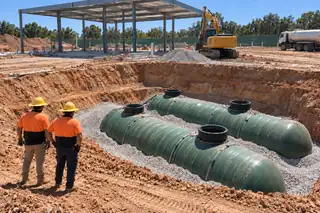 Environmental Due Diligence: AAI, Phase 1 ESA, and Closing DocumentationEnvironmental due diligence under 40 CFR 312 meets one condition of CERCLA's innocent landowner defense. Phase 1 ESA cost, timeline, lender rules.Cost to Build a Gas Station: What Each Line Actually CostsWhat it costs to build a gas station line by line, from franchisor disclosures, EPA cost data and public bids, and where the fuel system budget goes.How Much Do Gas Station Owners Make? What IRS Data ShowsWhat gas station owners earn according to IRS and BLS data, where the profit comes from, the per gallon stack, and the tank rules that sit under it.
Need help with a tank or contamination project?
Looking for equipment or services? Browse suppliers →