Pollution liability insurance costs most contractors $2,500 to $15,000 per year. It covers the one category of risk that your general liability policy explicitly excludes. If your work involves hazardous materials, contaminated sites, underground storage tanks, or any operation where pollutants could be released, you need this coverage. Your standard CGL policy will not protect you.
The insurance industry calls it contractors pollution liability, or CPL. It exists because general liability insurers added absolute pollution exclusions to their policies decades ago. That single policy change left every contractor who works near environmental hazards completely uninsured for pollution claims. CPL fills that gap.
Environmental insurance is not just for remediation companies. General contractors, excavation firms, demolition crews, HVAC installers, plumbing companies, roofing contractors, and any trade that could disturb existing contamination or release pollutants during operations face this exposure. A single pollution incident can generate cleanup costs, bodily injury claims, property damage lawsuits, and regulatory fines that exceed what most small contractors can absorb. The average environmental liability claim costs significantly more than a typical general liability claim because cleanup obligations compound over time. Contamination discovered during a Phase 1 site assessment can trigger these claims.
This guide explains the two main types of environmental liability insurance, what they cover, what they cost, and the specific coverage gaps that catch contractors off guard.

Why Standard Liability Policies Leave You Exposed
Every commercial general liability policy sold in the United States contains a pollution exclusion. This is not a technicality buried in the fine print. It is a deliberate, absolute exclusion that removes all coverage for bodily injury, property damage, and cleanup costs arising from the release of pollutants. If a pollution event occurs during your work and your only insurance is a CGL policy, you are paying for everything out of pocket.
The pollution exclusion became standard in CGL policies in the 1980s after insurers faced massive losses from environmental claims. Before the exclusion, contractors could make environmental liability claims under their general liability coverage. Insurers responded by removing pollution coverage entirely and creating a separate product line for environmental risks. This separation is now permanent. No major insurer has reversed the pollution exclusion, and none is expected to.
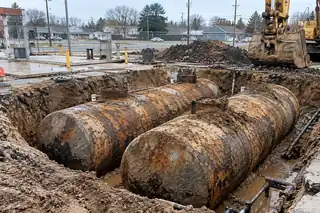
Many contractors assume their general liability policy covers everything. It does not. A UST removal contractor who accidentally ruptures a tank and releases petroleum into the soil has zero coverage under a standard CGL policy. The cleanup costs, third-party property damage claims, and any resulting bodily injury lawsuits all fall on the contractor personally.
If you do not carry CPL, you are one pollution event away from a bill you cannot pay.
Contractors Pollution Liability vs Premises Pollution Liability
Environmental insurance splits into two main policy types. Contractors Pollution Liability, or CPL, covers pollution incidents that arise from a contractor's operations at job sites. Premises Pollution Liability, or PPL, covers pollution conditions at properties owned, operated, or leased by the policyholder.
CPL is for contractors. If you perform work at sites you do not own and your operations could cause or disturb pollution, CPL is the policy you need. It covers claims arising from your work at third-party locations, including cleanup costs, bodily injury, property damage, and legal defense expenses.
PPL is for property owners and facility operators. If you own a gas station, a manufacturing plant, or any commercial property where pollutants are present, PPL covers claims from pollution at your location. This includes contamination in the soil or groundwater beneath your site. It also covers migration of contaminants onto neighboring land.
Some situations require both. A contractor who operates out of a facility where hazardous materials are stored needs CPL for job site operations and PPL for their own premises. An environmental remediation company that stores contaminated soil at its yard before disposal needs both policies working together.
What Pollution Liability Insurance Actually Covers
A standard CPL policy covers third-party bodily injury and property damage caused by pollution events during the contractor's operations. If your excavation work releases contaminated soil that affects a neighboring property, the policy covers the neighbor's property damage claim and your legal defense costs. It also covers regulatory cleanup costs ordered by state or federal environmental agencies.
Cleanup costs are typically the largest covered expense. When a pollution event triggers a regulatory response requiring site remediation, the CPL policy pays for the cleanup. This includes soil removal, groundwater treatment, disposal of contaminated materials, and the environmental consulting fees required to manage the remediation process.
Transportation coverage is an important add-on that many contractors overlook. If you transport hazardous materials or contaminated soil between sites, a standard CPL policy may not cover a spill during transit. Over-the-road pollution coverage extends the policy to include incidents during transportation and loading operations. For UST removal contractors who haul contaminated soil to disposal facilities, this endorsement is not optional.
Most contractors pay between $2,500 and $15,000 per year for pollution liability insurance. Environmental remediation contractors and excavation firms typically fall in the $7,000 to $30,000 range because their work involves higher exposure to contaminated materials. General contractors and light trades pay less, often $2,500 to $5,000 annually.
How Much Pollution Liability Insurance Costs
Five factors drive the premium. Your trade determines the baseline: excavation and remediation work costs more than office-based consulting. Annual revenue scales the premium proportionally. Geographic location matters because working near waterways, schools, or hospitals increases risk. Coverage limits affect cost directly, with $1 million policies costing significantly less than $5 million policies. And claims history is the single fastest way to see your premium increase. If you are at the hiring stage, our directory lists tank testing contractors.
Claims-made policies cost less initially than occurrence-based policies, but they carry a hidden cost that many contractors do not understand until they need it. A claims-made policy only covers claims reported while the policy is active. If you cancel or switch carriers, you need tail coverage to protect against claims filed after the policy ends for work performed while it was in force. Tail coverage can cost 100 to 200 percent of the annual premium, which eliminates the initial savings.
Group purchasing and industry association programs can cut premiums by roughly a quarter to a third. If you employ five or more workers who need coverage, ask about volume discounts. Most environmental insurance brokers can quote multiple carriers simultaneously, which creates competition that works in your favor.
Environmental remediation contractors need CPL insurance without exception. If you remove underground storage tanks, remediate contaminated soil, handle hazardous waste, or perform any cleanup work at sites with known or suspected contamination, CPL is a non-negotiable operating requirement. Many state environmental agencies require proof of pollution liability coverage as a condition of licensing. Federal projects and many state contracts will not award remediation work to contractors who cannot demonstrate active CPL coverage.
Who Needs Environmental Insurance and When
General contractors and excavation companies need CPL when their work could disturb existing contamination. Digging on a former industrial site, demolishing a building with asbestos or lead paint, or grading land near a gas station all create pollution exposure. The contamination was already there, but your work disturbed it, and that makes you liable.
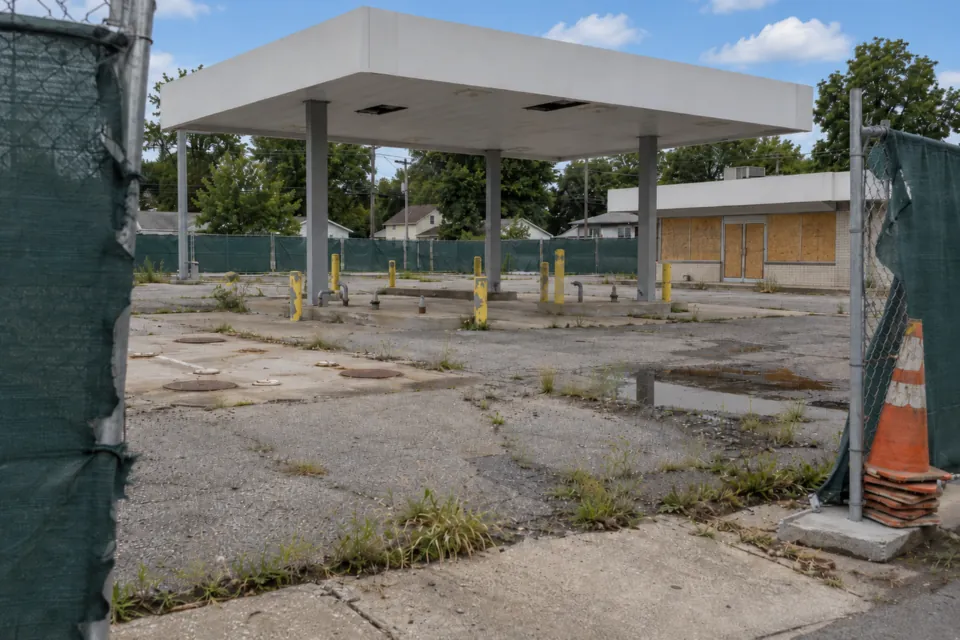
Property owners with underground storage tanks, above-ground fuel storage, or any facility where chemicals are used or stored need PPL coverage. This includes gas station owners, fleet operators with fueling facilities, manufacturers, agricultural operations with fuel tanks, and marina operators. If your property has a history of petroleum storage or chemical handling, the risk of a pollution claim is real and quantifiable. Underground storage tank insurance, sometimes called tank insurance, is the specific PPL coverage designed for properties with active or decommissioned fuel storage. These operators may also need an SPCC plan if oil storage exceeds 1,320 gallons.
Contract requirements are increasingly driving CPL purchases. Many project owners, general contractors, and government agencies now require CPL certificates from every contractor and subcontractor on site. If you cannot provide proof of pollution liability coverage, you lose the bid.
The most dangerous gap is assuming your CGL covers pollution events. It does not. Every year, contractors face six and seven figure cleanup bills that they believed were insured. They discover the pollution exclusion only after the claim is filed. Read your policy before you need it.
The Coverage Gaps That Get Contractors in Trouble
Gradual pollution is the second major gap. Some CPL policies only cover sudden and accidental releases. A slow leak from an underground storage tank that contaminates soil over months or years may not trigger coverage under a sudden-and-accidental-only policy. If your work involves sites where gradual releases are possible, and most UST sites fall into this category, confirm that your policy covers both sudden and gradual pollution events.
Completed operations coverage is the third gap. A CPL policy that only covers ongoing operations leaves you exposed after you finish the job. If contamination from your work is discovered two years after project completion, a policy without completed operations coverage will not respond. Most quality CPL policies include completed operations, but not all do.
Mold and microbial coverage is increasingly relevant. HVAC contractors face legionella risk. Restoration companies encounter mold during water damage repairs. Demolition crews disturb mold in moisture-damaged buildings. Standard CPL policies may exclude these biological contaminants unless mold coverage is specifically added.
Start with an insurance broker who specializes in environmental coverage. Generalist brokers who primarily sell auto and property insurance often lack the technical knowledge to evaluate CPL policy differences. Environmental insurance is a specialty market with specialized carriers, and the policy language varies significantly between companies.
How to Buy the Right Policy
Get quotes from at least three carriers. The pricing spread for CPL insurance is wider than most commercial lines because underwriting criteria vary so much between carriers. One carrier might quote $4,000 while another quotes $8,000 for the same contractor, and the difference comes down to how each carrier evaluates your specific trade, geography, and risk profile.
When comparing quotes, do not just look at the premium number. Compare coverage triggers: claims-made versus occurrence. Compare deductible or self-insured retention amounts. Check whether completed operations are included. Confirm whether gradual pollution is covered. Review what endorsements are available for mold, transportation, and subcontractor operations. A $4,000 policy that excludes gradual pollution and completed operations is not cheaper than an $8,000 policy that covers both.
Ask about bundling opportunities. Some carriers offer combined CPL and professional liability policies that cover both pollution incidents and errors in your professional work. For environmental consultants and remediation firms, this combination eliminates the need for two separate policies and often costs less than buying them individually.
If you perform environmental work, the first step is reviewing your current CGL policy to confirm what it excludes. Look for the pollution exclusion section and read the exact language. Some policies have limited pollution carve-backs that provide narrow coverage for certain scenarios. Understanding exactly where your current coverage stops is the starting point for determining what CPL coverage you need.
Reviewing Your Coverage
For contractors already listed in our directory, pollution liability insurance is one of the credentials that differentiates you from competitors. Property owners requesting quotes through our site are more likely to hire contractors who can demonstrate proper insurance coverage for environmental work.
Browse environmental contractors in your state through our directory or request a free quote to connect with professionals who carry proper pollution liability coverage for UST and remediation work.
The EPA's financial responsibility requirements for UST owners and operators are detailed on their website. For contractors working in the environmental space, pollution liability insurance is not a line item to debate. It is the financial backstop that keeps a single pollution event from becoming a business-ending event. When you hire, ask every bidder for a certificate of insurance that shows pollution coverage, and compare firms through the state by state directory.