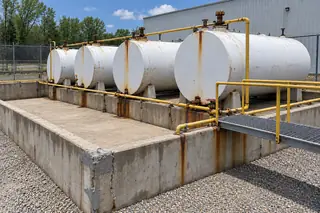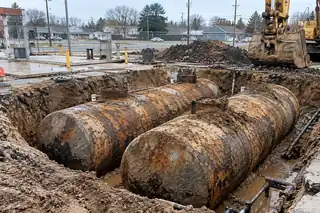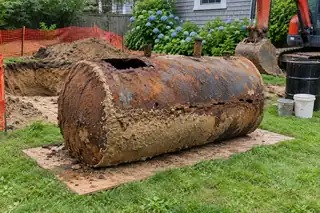
Environmental remediation cleans up contaminated soil, groundwater, or soil vapor to meet regulatory standards.
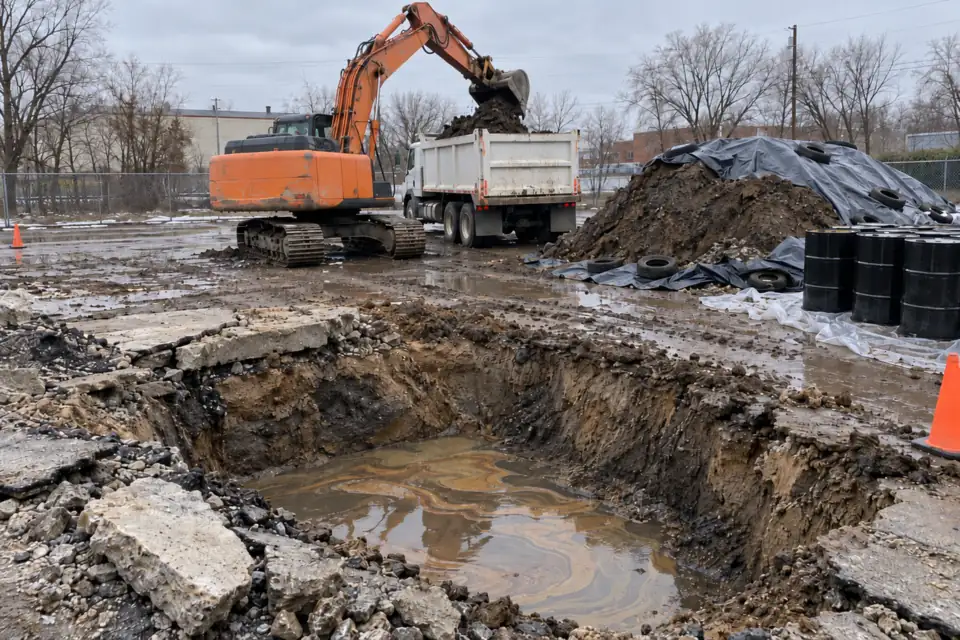
What is environmental remediation in practice? It ranges from excavating a few cubic yards of petroleum contaminated soil beneath a removed underground storage tank to running a multi-year groundwater treatment system at a former industrial site. The scope depends on what was spilled, how long it sat in the ground, and how far it has migrated. A gas station with a small diesel release is a fundamentally different project than a manufacturing plant with decades of solvent disposal history.
If you are dealing with contamination for the first time, the process can feel overwhelming. But site decontamination follows a structured sequence: investigation, planning, active cleanup, monitoring, and regulatory closure. Each phase has its own costs, timelines, and decision points. Knowing the sequence gives you control over a situation that otherwise feels like it controls you.
The goal of any environmental cleanup is a No Further Action letter from the state regulatory agency. That letter confirms the site meets cleanup standards and releases you from ongoing liability. It is also what restores the property's full market value. Every decision in the remediation process points toward that letter.
Most property owners never think about environmental remediation services until a Phase 1 or Phase 2 environmental site assessment flags contamination during a real estate transaction. That discovery is what starts the clock. From that point forward, the property cannot change hands without addressing the contamination, and the cost of addressing it determines whether the deal survives or collapses.

When Remediation Is Required
State and federal agencies require remediation when contamination exceeds cleanup standards for the property's intended use. The triggers vary by state, but the most common scenarios are predictable. The state agency may require a corrective action plan documenting the remediation approach before cleanup begins.
Underground storage tank leaks are the single largest source of environmental remediation projects in the United States. The EPA tracks over 560,000 confirmed petroleum releases from USTs, and roughly 80,000 sites still need cleanup. If your property has or had underground fuel storage, contamination is not just possible. It is statistically likely for tank systems installed before the 1998 federal upgrade deadline.
Phase 2 assessments that confirm Recognized Environmental Conditions force the issue during transactions. Once soil or groundwater testing shows contamination above state action levels, the regulatory clock starts. Your lender will not close the loan until the contamination is addressed through active cleanup, a risk assessment, or an approved remedial action plan. There is no option to ignore the results and proceed.
Waste remediation at facilities that handled mixed chemicals requires complex investigation. Industrial operations that used solvents, metals, petroleum, or other hazardous materials create contamination that persists for decades. Former dry cleaners, auto shops, gas stations, printing facilities, and metal plating operations are the most common sources. Contaminated soil remediation at these sites often reveals problems invisible at the surface because chemicals have migrated into soil and groundwater below grade. Many of these properties qualify as brownfield sites eligible for EPA cleanup grants.
Spills reported to state environmental agencies trigger mandatory investigation and potential cleanup. The property owner is typically responsible regardless of whether they caused the contamination. That is the law's position under both CERCLA and most state environmental statutes, and it catches many new owners off guard. The logic is straightforward even if the outcome feels unfair: someone has to pay for the cleanup, and the person holding the deed is the easiest party to find.
How Environmental Remediation Works
Cleanup techniques fall into a few major categories, each suited to specific contaminants and site conditions. No single method works for every site.
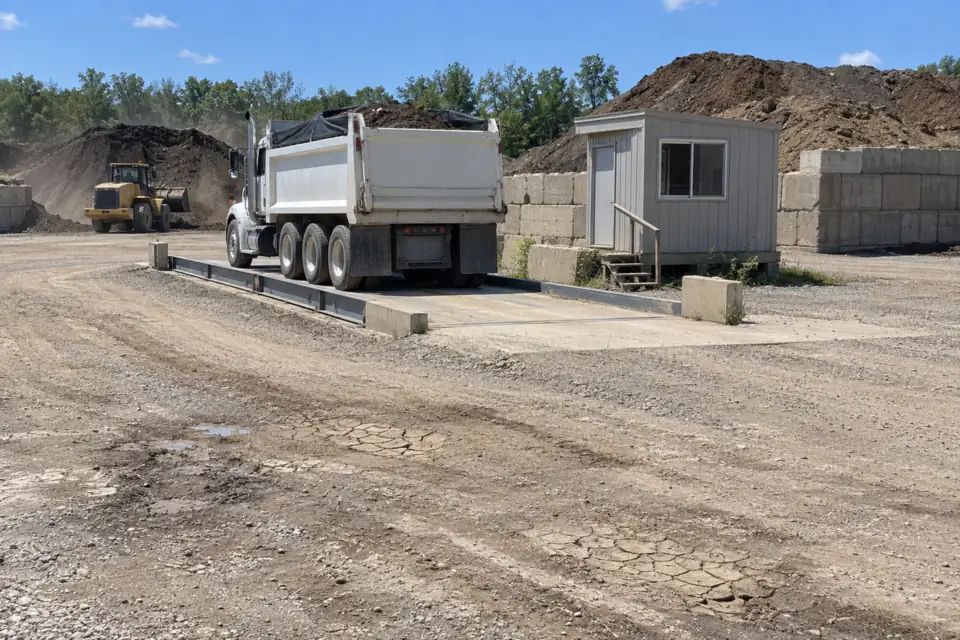
Soil excavation and disposal is the most direct approach. Contaminated soil is dug out, loaded into trucks, and hauled to a licensed disposal facility. This works well for shallow petroleum contamination where you can physically access the soil. It is fast, definitive, and produces closure in weeks rather than years. The limitation is depth and access. Excavating contaminated soil 30 feet below an active building is either impossible or costs more than the property is worth.
Chemical remediation using in-situ oxidation injects reagents into contaminated soil to destroy organic contaminants without excavation. Soil vapor extraction pulls volatile contaminants from unsaturated soil by applying a vacuum through extraction wells. It handles gasoline, solvents, and other chemicals that evaporate readily. The system runs for months or years, gradually reducing contamination until levels drop below cleanup standards. Vapor intrusion from contaminated soil vapor into buildings above is a related concern. The same volatile chemicals that the extraction system targets can migrate upward through foundations and accumulate in indoor air.
Groundwater pump and treat systems extract contaminated water, treat it on the surface, and discharge or reinject the clean water. This is the most widely deployed groundwater remediation technology, operating at over 700 Superfund sites. The limitation is time. Pump and treat manages contamination rather than eliminating its source, which is why many systems run for a decade or longer. Dual phase extraction combines soil vapor extraction and groundwater pumping in a single system, reducing the overall timeline at sites with both soil and groundwater contamination.
Land remediation on former industrial properties often reveals contamination patterns that differ from petroleum sites. Bioremediation uses naturally occurring bacteria to break down organic contaminants into harmless byproducts. Enhanced bioremediation adds nutrients or oxygen to speed up the process. It holds roughly a quarter of the global remediation technology market because it is relatively low cost and produces minimal secondary waste. It works well for petroleum hydrocarbons and some chlorinated solvents in permeable soil. It does not work for metals, and it requires years of monitoring to confirm results.
What Environmental Remediation Costs
Environmental remediation costs range from $10,000 for a simple soil excavation to over $500,000 for complex groundwater treatment at industrial sites.
A straightforward petroleum soil cleanup typically runs $10,000 to $75,000 depending on the volume of contaminated soil and depth of excavation. This is the most common scenario at residential properties with removed oil tanks and at smaller commercial sites. Because petroleum soil cleanup makes up the bulk of remediation work nationwide, it is also the job contractors quote most often.
Groundwater contamination pushes costs significantly higher. Installing monitoring wells, sampling quarterly, and running a treatment system for several years can cost $50,000 to $250,000 or more. The ongoing operational costs of pumping, treating, and monitoring are what inflate the total well past the initial installation expense. Every year the system runs adds laboratory fees, equipment maintenance, and reporting costs to the state agency overseeing the cleanup.
Large industrial sites with mixed contamination can exceed $500,000 and sometimes reach into the millions. The EPA has spent over $30 billion on Superfund cleanups since 1980. These are extreme cases. They illustrate why you do not skip environmental due diligence to save a few thousand dollars on a Phase 1 assessment.
The contamination you can see rarely determines the final price. Contamination that has migrated horizontally into neighboring properties or vertically into a deeper aquifer beyond the initial sampling grid is what turns a $50,000 project into a $300,000 project. Accurate Phase 2 sampling before selecting a remedy is the single most important step in cost control. Cutting corners on the investigation phase almost always costs more in the long run.
How Long Site Remediation Takes
Site remediation timelines range from weeks to over a decade. The contamination type determines which end you land on.
Soil excavation is the fastest scenario. A residential oil tank removal with contaminated soil cleanup can wrap up in two to six weeks, including sampling and lab turnaround. If results come back clean, you receive closure documentation within a few months. This best case outcome only applies when contamination is shallow and has not reached groundwater. When the cleanup starts with a tank pull, the removal itself is covered in the oil tank removal guide.
Soil vapor extraction systems typically run 6 to 24 months before contamination levels meet cleanup standards. The system requires periodic monitoring but runs largely unattended between sampling events. Regulatory closure after achieving goals adds another 3 to 6 months.
Groundwater treatment is where projects stretch into years. Pump and treat systems commonly run 5 to 15 years. Some Superfund systems have operated for over 30. Bioremediation and monitored natural attenuation take 3 to 5 years minimum because biological processes work slowly. If you are buying property with a treatment system already running, ask how many years it has been operating and whether contamination concentrations are trending downward. A flat trend after five years suggests the technology may not match the site conditions.
State agencies control the final timeline. Even after your data shows the site meets standards, agency review can add 60 to 180 days. New Jersey's LSRP program, where Licensed Site Remediation Professionals can issue closure independently, is faster than states requiring direct agency review.
Who Pays for the Cleanup
Liability for pollution remediation follows the contamination, not the calendar.
Under CERCLA, the current property owner can be held responsible for contamination from decades ago, even with no involvement in causing it. Previous owners, operators, and parties who arranged hazardous waste disposal can all share liability. The law makes liability joint and several, meaning any single party can be required to pay the full cleanup cost regardless of their share of the problem.
In practice, whoever caused the contamination pays when they can be identified and are still financially viable. When they cannot, the current owner bears the cost. Buyers who discover contamination during due diligence typically negotiate a price reduction, require the seller to remediate before closing, or walk away from the deal entirely.
State cleanup funds help cover remediation costs, particularly for petroleum contamination from underground storage tanks. These funds are financed by fuel sales fees and can reimburse a significant portion of eligible costs above a deductible that varies by state. Some cover 90% above $10,000. Others have waiting lists due to high demand.
Negotiate remediation cost allocation in writing before closing. Verbal agreements about who pays for cleanup are worthless once the deed transfers.
When Remediation Drags On for Years
The biggest risk in a cleanup is not the initial cost estimate. It is the estimate being wrong.
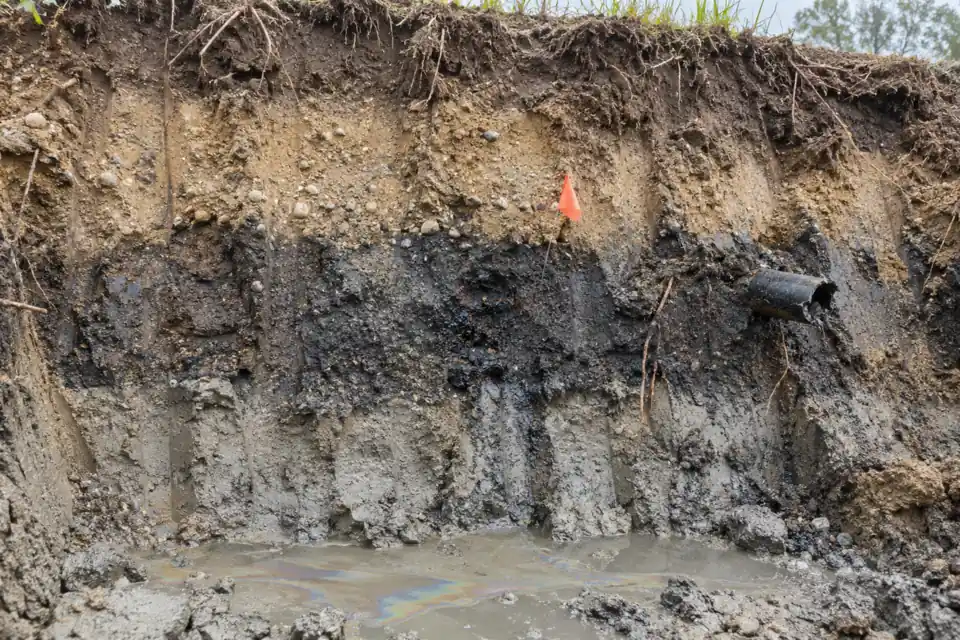
Projects overrun for three recurring reasons. First, the initial investigation underestimated contamination extent. Soil borings and monitoring wells sample discrete points. Contamination between those points is inferred, not measured. When excavation or treatment begins, the actual contamination is often larger or deeper than the Phase 2 sampling suggested.
Second, contaminated groundwater moves. A plume mapped during investigation may have migrated by the time treatment begins. Seasonal water table fluctuations spread contamination into previously clean areas. Dense solvents sink to bedrock and create secondary source areas that initial sampling missed entirely.
Third, regulatory standards change mid project. PFAS standards have tightened significantly since 2024, extending the scope and cost of active cleanups. A plan that would have achieved closure under old standards now requires additional treatment to meet new ones. Building 20 to 25 percent contingency into your remediation budget from the start is standard practice. Projects that finish on time and on budget are the exception. Plan accordingly.
Selecting the right environmental remediation contractor determines whether your project closes in two years or six.
Finding a Remediation Contractor
Look for a remediation company with specific experience in your contamination type and your state's regulatory program. A firm that specializes in petroleum cleanups is not necessarily qualified for chlorinated solvent work. The remediation techniques, regulatory requirements, and risk profiles differ enough that specialization matters more than general environmental experience. All field workers should hold current HAZWOPER certification before beginning site work.
Ask for references from completed projects. Completed means the contractor achieved regulatory closure and the client received a No Further Action letter. If a firm has been running a treatment system for eight years without reaching closure, that tells you something. It points to either poor technology selection or unusually difficult site conditions.
Remediation companies that also perform Phase 1 and Phase 2 assessments sometimes have a financial incentive to recommend more treatment than the site needs. The conflict is not universal, but it exists. Getting a second opinion on the recommended remediation plan from an independent consultant can save significant money on larger projects. An independent consultant who is not bidding the cleanup can give that review.
If your property has contamination that requires site remediation, start with our directory. Search for environmental remediation contractors in your state or request a free quote.
Clean sites close deals. Contaminated sites kill them. The remediation is what moves your property from one side of that line to the other.