Most brownfield redevelopment projects pencil out. The land is cheaper, the infrastructure already exists, the zoning is usually favorable, and there is government money available to offset cleanup costs. But the gap between a good deal and a money pit is measured in environmental reports and legal protections, not square footage.
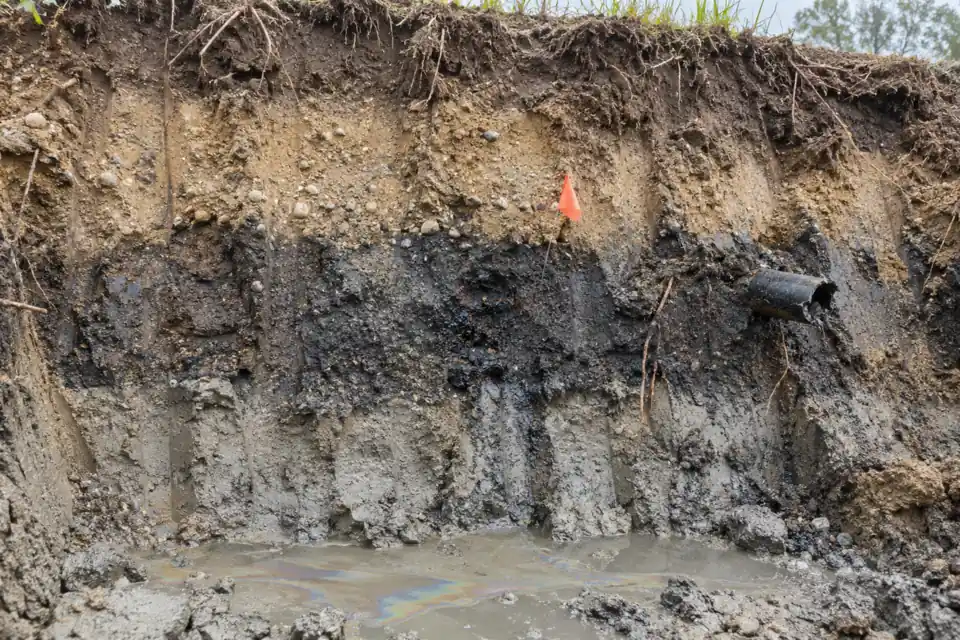
Every former gas station, dry cleaner, manufacturing plant, and fuel depot sits on land that someone will eventually want to use for something else. The question is never whether contaminated land can be redeveloped. The question is whether the cost and timeline for cleanup leave enough margin to justify the project.
Brownfield redevelopment turns contaminated or potentially contaminated properties into productive real estate. It works because federal and state governments have built an entire system of grants, tax credits, and liability protections to make the economics work. Without that system, most of these properties would sit vacant indefinitely.
This guide covers the full brownfield redevelopment process, from the first Phase 1 environmental site assessment through brownfield remediation, regulatory signoff, and construction. It focuses on what developers, municipalities, and property buyers actually need to decide.

What Makes a Property a Brownfield
The EPA defines a brownfield as real property where expansion, redevelopment, or reuse may be complicated by the presence or potential presence of hazardous substances, pollutants, or contaminants. That definition is deliberately broad. A property does not need confirmed contamination to qualify. Perceived contamination counts.
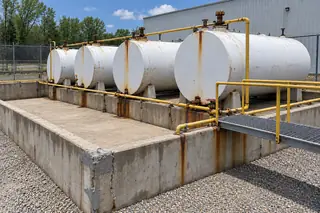
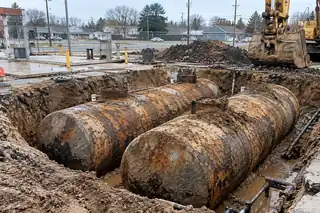
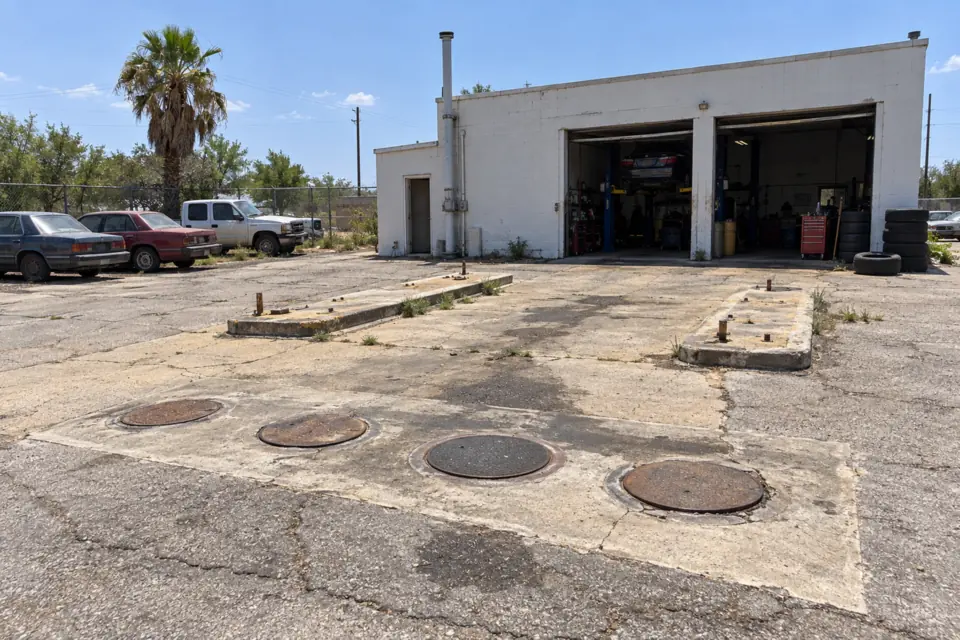
Former gas stations with underground storage tanks are the most common brownfield sites. Old dry cleaning operations, auto repair shops, industrial manufacturing facilities, bulk fuel storage yards, and agricultural properties with pesticide histories all qualify. So do former military installations and rail yards.
The practical effect of the brownfield designation is access to specific grant programs, tax incentives, and liability protections that do not exist for clean properties. A developer buying a vacant lot with no environmental history gets none of these benefits. A developer buying a former gas station with documented petroleum contamination can access EPA brownfield grants and state voluntary cleanup program protections. Many states also offer significant tax credits on both remediation and construction costs.
Not every contaminated property is a brownfield in the regulatory sense, though. Superfund sites on the National Priorities List are excluded from most brownfield programs. Properties where the current owner caused the contamination may also be ineligible for certain protections. The distinction matters because it determines which funding and liability tools are available.
The Redevelopment Process From Assessment to Construction
A brownfield assessment starts with understanding what is in the ground. The process follows a predictable sequence, but the timeline varies wildly depending on what the assessment finds. A site with minor petroleum contamination from a removed storage tank might move from Phase 1 ESA to construction in 12 to 18 months. A site with chlorinated solvent contamination in groundwater could take five to ten years before a regulator issues a No Further Action letter.
A Phase 1 environmental site assessment comes first. This is a records review and site inspection that identifies recognized environmental conditions without sampling soil or groundwater. Expect to pay $2,500 to $6,000 for a commercial Phase 1, with larger or more complex sites running higher. If you need a cost estimate for your project, the Phase 1 ESA cost calculator breaks down pricing by state and property type.
If the Phase 1 identifies concerns, a Phase 2 ESA follows with actual soil borings, monitoring wells, and laboratory analysis. A basic Phase 2 on a small site starts around $10,000. Complex sites with multiple contaminant types, deep groundwater issues, or large footprints can run $50,000 to $150,000 before any cleanup begins. Our soil and groundwater remediation guide covers treatment methods and timelines in detail.
Once you know what is in the ground, remediation planning starts. Petroleum contamination in soil is the simplest scenario: excavate, dispose, confirm with post-excavation sampling, total cost $50,000 to $200,000. Chlorinated solvents in groundwater or heavy metals across a large footprint can push costs into seven figures. The remediation is not complete when the last truck leaves. A state regulator reviews the cleanup data and issues a closure document, which is what banks and title companies need before financing moves forward.
EPA Brownfield Grants and How to Get One
The EPA Brownfields Program distributes over $300 million annually through competitive grants. Assessment grants fund Phase 1 and Phase 2 ESAs. Cleanup grants fund the actual remediation work. Revolving Loan Fund grants provide capital for communities to make low-interest loans to developers doing brownfield projects.
Cleanup grants are the most directly useful. The FY2026 program made $107 million available across approximately 36 cleanup awards, with individual grants up to $4 million per site. That round had no cost share requirement because the Infrastructure Investment and Jobs Act funded it, but EPA's FY 2027 cleanup grants require a cost share again. The applicant must own the site at the time of application and retain ownership through the cleanup period.
The catch: only government entities, land authorities, nonprofits, and tribal organizations can apply directly for EPA brownfield grants. Private developers cannot. This creates a common partnership model. A municipality or redevelopment authority applies for the grant, cleans up the property, and then sells or leases the remediated site to a private developer. If you are a private developer eyeing a brownfield, your first conversation should be with the local redevelopment authority, not the EPA.
State programs also fund brownfield work, and in many cases, state money is easier to access than federal grants. Check your state's environmental agency for brownfield-specific assessment grants, revolving loan funds, and technical assistance programs. Several states offer free Phase 1 and Phase 2 assessments to qualifying municipalities, which removes the financial barrier to even evaluating a site.
State Voluntary Cleanup Programs and Why They Matter
Every state operates some version of a voluntary cleanup program. New York calls it the Brownfield Cleanup Program. New Jersey has the Licensed Site Remediation Professional program. Florida operates through its Brownfields Redevelopment Act. The details differ, but the core structure is similar everywhere. A property owner enrolls a contaminated site, follows the state's cleanup standards, and receives a closure document and liability protection upon completion.
The liability protection is the real prize. Under CERCLA, anyone who owns contaminated property can be held responsible for cleanup costs, even if they did not cause the contamination. Voluntary cleanup programs offer a way out. Complete the program, get the closure letter, and the state agrees not to pursue you for further cleanup. Some states extend this protection to subsequent purchasers, which makes the property financeable and insurable.
Tax incentives sweeten the deal in many states. New York's BCP offers refundable tax credits covering up to 50% of qualified remediation costs and up to 24% of tangible property development costs. New Jersey's Brownfield Redevelopment Incentive Program provides one-time transferable tax credits of up to 80% of remediation costs in priority areas. Colorado offers brownfield tax credits and up to $250,000 annually in direct cleanup funding. These programs change frequently, so verify current terms before modeling project financials.
Florida layers additional incentives beyond tax credits: job creation bonuses for new positions at brownfield sites, sales tax exemptions on building materials, and loan guarantee programs. For a developer calculating feasibility, the total incentive package in a state like Florida or New York can shift a marginal project into strong positive territory. Construction can proceed concurrently with remediation in some states if engineering controls are part of the approved plan, saving 12 to 24 months on the project timeline.
The Gotcha: Liability Does Not Disappear After Cleanup
Here is the part most brownfield marketing materials skip. Completing a voluntary cleanup program and receiving a closure letter protects you from state enforcement action. It does not necessarily protect you from federal CERCLA liability, from third-party lawsuits, or from future regulatory changes that might reopen a closed site.
The Bona Fide Prospective Purchaser defense under CERCLA provides some federal protection, but it has requirements. You must conduct All Appropriate Inquiries before acquisition. You must not be affiliated with a responsible party. You must comply with any institutional controls. You must cooperate with any EPA investigation. Miss any of these, and the defense evaporates.
Residual contamination is the other risk that closure letters do not eliminate. Most risk-based cleanup standards allow some contamination to remain in place if engineering controls prevent exposure. A vapor barrier under a parking garage. A deed restriction prohibiting residential use. An ongoing groundwater monitoring requirement. These controls work, but they create obligations that run with the land.
Environmental insurance exists specifically for this scenario. A Pollution Legal Liability policy covers the cost of addressing previously unknown contamination discovered after a brownfield transaction closes. For any brownfield acquisition over $500,000, pollution liability coverage is worth the conversation with a broker. The premium is a rounding error compared to the downside.
When Brownfield Redevelopment Is Not Worth the Risk
Some sites are not worth redeveloping regardless of the incentives. Recognizing these early saves months of due diligence costs.
Walk away if the contamination involves mixed waste or if the site is on the Superfund National Priorities List. Do not proceed if groundwater contamination has migrated off-site, because your cleanup obligation may extend beyond your property boundaries. Walk away if the state's voluntary cleanup program has a backlog longer than your project timeline can absorb. Some programs take 18 to 24 months just to issue a response to an enrollment application.
Reconsider if the local real estate market does not support the end-use economics after factoring in remediation costs. A brownfield in a strong market with $200,000 in cleanup costs and $2 million in available tax credits is a gift. The same brownfield in a weak market with $500,000 in cleanup costs and no state incentive program is a liability you are choosing to adopt. The contamination is the same. The economics are not.
One exception to the walk-away rules. If you can partner with a municipality that has EPA brownfield grant funding and the political will to use it, even a difficult site can become viable. The public entity absorbs the grant administration burden and environmental risk during cleanup, and you step in after the closure letter is issued. This is how most large-scale brownfield redevelopment actually happens.
Where to Begin
If you own a contaminated property or you are evaluating a brownfield acquisition, start with a Phase 1 ESA. Every decision that follows depends on what the assessment finds. You can request a quote from environmental contractors through this site or browse contractors by state to find firms that handle site assessment and remediation work.
For properties with known underground storage tanks, the oil tank removal service pages on this site connect you with contractors who specialize in petroleum contamination and soil remediation. Former gas station sites, bulk fuel storage facilities, and any property with documented UST history should be evaluated by a contractor experienced in tank closure before you model project costs. Our guide on What to Do With a Closed Gas Station Property covers this in depth. Owners comparing bids can browse tank decommissioning services.
Contact your state environmental agency about voluntary cleanup program enrollment and available incentives. The EPA Brownfields Program at epa.gov/brownfields lists current grant opportunities and regional contacts who can walk you through the federal application process. The grant application window typically opens in late fall with a January deadline, so plan accordingly. Line up cleanup bids at the same time through the UST contractor directory.
Do not wait for perfect information before starting the process. The Phase 1 ESA is designed to tell you whether a deeper investigation is warranted. If it comes back clean, you have saved yourself months of unnecessary worry. If it identifies concerns, you have the data you need to make an informed decision about whether to proceed, negotiate, or walk away.