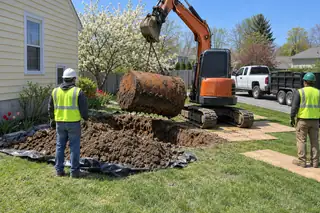
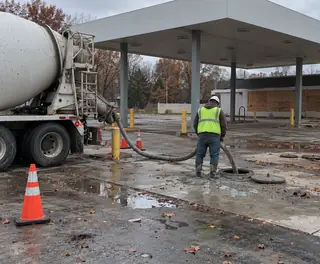
UST compliance deadlines by state differ from the federal rule in three places. Some states set closure dates for older tank systems, some test equipment more often than the federal rule requires, and state cleanup funds set their own cutoffs for claims. California, Rhode Island and South Carolina set their own closure deadlines, at least 21 of 51 jurisdictions are stricter than the federal rule on containment sump testing, and California takes cleanup fund claim applications only through December 31, 2034.
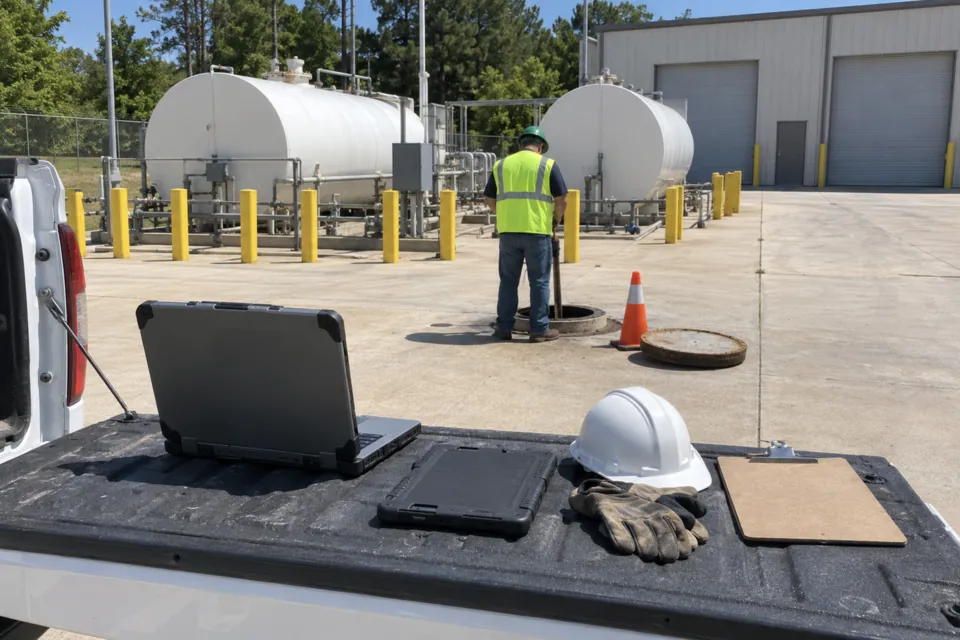
The federal UST inspection deadlines, from the 30 day walkthrough to the three year spill bucket, sump and overfill tests, set the minimum in every state and are laid out in the UST testing schedule. The federal rules are in 40 CFR Part 280, the EPA regulation for underground storage tank compliance. They cover regulated tanks at gas stations, fleet yards, and other facilities, not tanks that store heating oil for use on the premises. Each state runs underground storage tank compliance through its own program and can add to the federal text, so the state UST regulations decide the dates that apply to a given site.
Most of today's recurring dates came from EPA's 2015 rule, which took effect October 13, 2015. It gave owners until October 13, 2018 to start walkthrough inspections, spill and overfill testing, sump testing, release detection equipment testing, and operator training. EPA reports that as of September 2025, 52 states and territories had updated their state UST regulations since that rule.
Missing one of these dates is not a paperwork lapse. It can mean a red tag that stops fuel deliveries, a penalty that accrues by the day, or a cleanup fund claim that pays less because the tank was out of compliance.

Which States Set Their Own Closure Deadlines?
Three states set their own: California, Rhode Island and South Carolina. California set the most aggressive deadline. Health and Safety Code 25292.05 required every single walled UST to be closed by December 31, 2025, and the State Water Board says there are no exceptions, exemptions, or extensions. Even so, the Water Board reported that 279 facilities still had 753 single walled components to close as of December 5, 2025.
California owners who missed it face red tags and daily penalties. Under H&SC 25292.3, no one may deliver fuel into a tank with a red tag on its fill pipe, and H&SC 25299 sets civil penalties of $500 to $5,000 for each tank for each day of violation. The California tank decommissioning page lists contractors for the closure.
Rhode Island moved earlier. Under 250-RICR-140-25-1, single walled tanks and piping installed before May 8, 1985 had to be closed by December 22, 2017. Those installed between May 8, 1985 and July 20, 1992 must be closed within 32 years of installation. If the installation date is unknown, closure is required immediately, and tanks storing heating oil consumed on site are exempt.
South Carolina's rule is narrower. Its regulation, R.61-92, covered tank systems within 100 feet of a water supply well, a coastal zone critical area, or state navigable waters that had not been upgraded or were out of compliance. Those systems had to add secondary containment or close by December 22, 2018. If your tank is in another state, the federal temporary closure rule and that state's own program still apply.
UST Compliance Deadlines by State: Which States Go Beyond the Federal Tests?
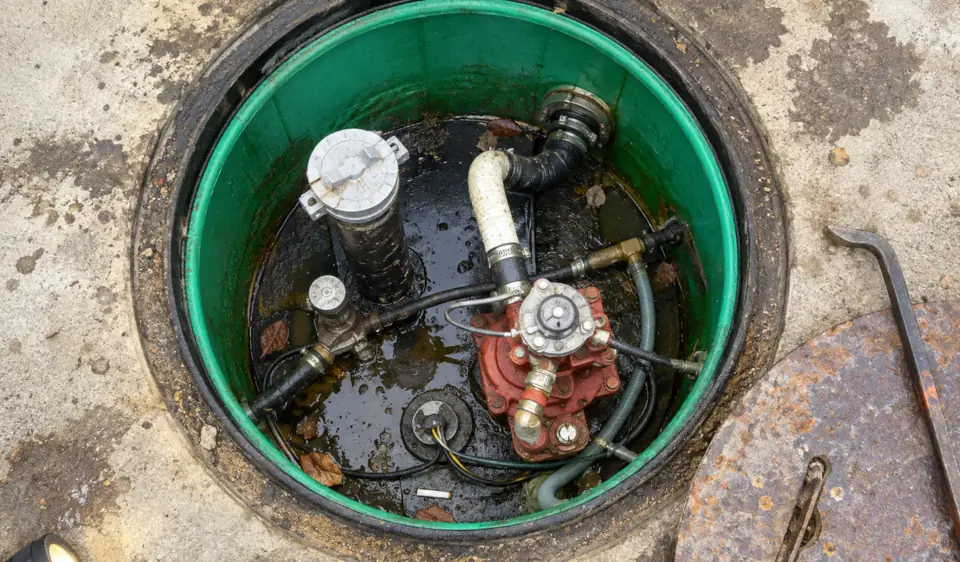
Of 51 jurisdictions, at least 21 are stricter than the federal rule on containment sumps, 10 on spill buckets and 6 on overfill equipment. California, Delaware, Maryland and Mississippi, for example, test spill buckets every 12 months, and Connecticut, Florida, Maine, Mississippi, Rhode Island and Wisconsin check overfill equipment every 12 months. At least 21 states and the District of Columbia credential whoever runs some or all of these tests.
Most states follow the federal clock: spill buckets, sumps and overfill equipment every 3 years under 40 CFR 280.35, tank gauges and line leak detectors yearly.
New York's Part 613 has no periodic spill, sump or overfill testing, so its tanks owe the federal tests every 3 years.
Not verified means the state rule could not be confirmed on October 2, 2026; check the linked state program.
| State | Spill buckets | Containment sumps | Overfill equipment | ATG and line leak detector | State tester credential | Where not verified |
|---|---|---|---|---|---|---|
| Alabama | Same as federal | Same as federal | Same as federal | Same as federal | None for these tests | |
| Alaska | Same as federal | Same as federal | Same as federal | Same as federal | State-certified UST inspector | |
| Arizona | Not verified | Not verified | Not verified | Not verified | Not verified | ADEQ UST Program |
| Arkansas | Same as federal | Same as federal | Same as federal | Same as federal | Arkansas DEQ tester license | |
| California | Every 12 months | Every 36 months, all secondary containment | Same as federal | Same as federal | ICC California UST Service Technician certificate | |
| Colorado | Same as federal | Every 3 years, plus all sumps retested 1 year after installation | Same as federal | Same as federal | State-certified Qualified Service Technician | |
| Connecticut | Every 3 years; exempt only with continuous interstitial monitoring | Every 3 years, all piping, dispenser and transition sumps | Every 12 months | Yearly; every 6 months for the line leak detector on some older pressurized piping | Not verified | Connecticut DEEP |
| Delaware | Every 12 months, single and double walled | Every 36 months, all sumps | Same as federal | Same as federal | Not verified | DNREC Tanks |
| District of Columbia | Same as federal | Same as federal | Same as federal | Same as federal | DOEE-certified tester or technician | |
| Florida | Every 12 months if single walled | Every 3 years, all piping and dispenser sumps | Every 12 months | Same as federal | None for these tests | |
| Georgia | Same as federal | Same as federal | Same as federal | Same as federal | Not verified | Georgia EPD UST Program |
| Hawaii | Every 365 days unless double walled and monitored every 31 days | Same as federal | Same as federal | Same as federal | None for these tests | |
| Idaho | Same as federal | Same as federal | Same as federal | Same as federal | None for these tests | |
| Illinois | Every 3 years, no double-wall monitoring alternative | Every 3 years, no double-wall monitoring alternative | Same as federal | Same as federal | OSFM-certified employee of a licensed contractor | |
| Indiana | Not verified | Not verified | Not verified | Not verified | IDEM-certified contractor | IDEM tanks program |
| Iowa | Same as federal | Same as federal | Same as federal | Same as federal | None for these tests | |
| Kansas | Same as federal | Same as federal | Same as federal | Same as federal | KDHE tester license | |
| Kentucky | Same as federal | Every 36 months, all sumps installed since April 1, 2012 | Same as federal | Same as federal | None for these tests | |
| Louisiana | Same as federal | Same as federal | Same as federal | Same as federal | None for these tests | |
| Maine | Same as federal | Every 3 years, all sumps | Every 12 months | Same as federal | Maine-certified UST installer or inspector | |
| Maryland | Every 12 months | Every 3 years, every sump | Same as federal | Same as federal | MDE-certified inspector or technician for overfill tests | |
| Massachusetts | Not verified | Not verified | Not verified | Not verified | Not verified | Massachusetts Department of Environmental Protection |
| Michigan | Same as federal | Same as federal | Same as federal | Same as federal | None for these tests | |
| Minnesota | Same as federal | Every 3 years; double-wall option needs monthly monitoring | Same as federal | Same as federal | MPCA-approved tester | |
| Mississippi | Every 12 months | Every 36 months, all secondary containment on newer systems | Every 12 months | Same as federal | MDEQ Certified UST Technician | |
| Missouri | Same as federal | Every 3 years, all required sumps on systems installed after July 1, 2017 | Same as federal | Same as federal | None for these tests | |
| Montana | Same as federal | Same as federal | Same as federal | Same as federal | Montana UST Program licensee | |
| Nebraska | Not verified | Not verified | Not verified | Not verified | Not verified | Nebraska State Fire Marshal, Fuels Division |
| Nevada | Same as federal | Same as federal | Same as federal | Same as federal | None for these tests | |
| New Hampshire | Same as federal | Every 3 years, all sumps | Same as federal | Same as federal | None for these tests | |
| New Jersey | Same as federal | Same as federal | Same as federal | Same as federal | NJDEP tank testing certification | |
| New Mexico | Same as federal | Every 3 years, including single-walled fill-pipe sumps | Same as federal | Same as federal | None for these tests | |
| New York | Same as federal | Same as federal | Same as federal | Same as federal | Not verified | NYSDEC UST testing notice |
| North Carolina | Every 3 years unless continuously monitored (systems since Nov. 1, 2007) | Every 3 years, all sumps on systems since Nov. 1, 2007 | Same as federal | Same as federal | None for these tests | |
| North Dakota | Same as federal | Same as federal | Same as federal | Same as federal | None for these tests | |
| Ohio | Same as federal | Every 3 years, a wider set of sumps | Same as federal | Same as federal | None for these tests | |
| Oklahoma | Same as federal | Every 3 years; double-wall option needs 30-day monitoring | Same as federal | Same as federal | OCC Licensed Tester | |
| Oregon | Same as federal | Same as federal | Same as federal | Same as federal | DEQ-licensed UST supervisor | |
| Pennsylvania | Same as federal | Same as federal | Same as federal | Same as federal | DEP-certified individual | |
| Rhode Island | Same as federal | Every 3 years, single-walled sumps and dispenser containment | Every 12 months | Same as federal | DEM tester license for tightness tests | |
| South Carolina | Same as federal | Same as federal | Same as federal | Same as federal | None for these tests | |
| South Dakota | Same as federal | Same as federal | Same as federal | Same as federal | None for these tests | |
| Tennessee | Same as federal | Same as federal | Same as federal | Same as federal | None for these tests | |
| Texas | Same as federal | Same as federal | Same as federal | Same as federal | None for these tests | |
| Utah | Same as federal | Yearly where a sump sensor serves as the line leak detector | Same as federal | Same as federal | Utah DEQ-certified tester | |
| Vermont | Same as federal | Every 3 years, all dispenser and pressurized piping sumps | Same as federal | Same as federal | None for these tests | |
| Virginia | Same as federal | Same as federal | Same as federal | Same as federal | None for these tests | |
| Washington | Same as federal | Same as federal | Same as federal | Same as federal | Ecology-certified service provider | |
| West Virginia | Same as federal | Same as federal | Same as federal | Same as federal | WVDEP-certified worker on site | |
| Wisconsin | Every 3 years, all basins; exempt only with continuous monitoring | Every 3 years; exempt only with continuous monitoring | Every 12 months | Same as federal | None for these tests | |
| Wyoming | Same as federal | Same as federal | Same as federal | Same as federal | Wyoming DEQ tester license |
When Are Cleanup Fund Claims Due?
There is no federal claim deadline: each state fund sets its own, and some are fixed dates, such as California's December 31, 2034 cutoff for claim applications. EPA reports that 36 states have state financial assurance funds and that those funds have paid about $20 billion since 2002, with each setting its own eligibility, deductible, and filing rules. Connecticut and New York have phased out their funds, which now pay only for releases before the phase out, and EPA lists no approved fund for Maryland.
California's UST Cleanup Fund takes claim applications through December 31, 2034, and the law behind it expires January 1, 2036. For claims filed since 2015, it pays up to $1 million per occurrence after a deductible of $5,000 or $10,000 per occurrence for most business owners, depending on the owner. California owners who rely on the fund for financial responsibility must give their local agency proof of a replacement by December 31, 2034.
Illinois pays for its UST Fund with a motor fuel tax and an environmental impact fee, and the Illinois EPA says both are due to expire in 2030; the fund has paid more than $800 million since 1989. Pennsylvania's Pump and Plug program pays up to $2,500 per tank, and its heating oil tank program carries a $1,000 deductible with up to $4,000 per tank. Nebraska's fund covers remedial costs only for releases reported on or before June 30, 2028.
Deductibles vary widely. Colorado, Georgia, Missouri, and New Mexico start at $10,000, and Louisiana charges no deductible, in or out of compliance, for releases after August 1, 2024. Kentucky's is $500 for owners of five or fewer tanks, New Hampshire's runs from $5,000 to $30,000 depending on how many facilities you own, and Kansas charges $3,000 plus $500 per tank. Minnesota reimburses 90 percent of eligible costs, Montana pays half of the first $35,000, and Nevada charges most owners 10 percent of the first $1 million.
What Is the 12 Month Temporary Closure Rule?
Under 40 CFR 280.70, a UST system temporarily closed for more than 12 months must be closed if it does not meet the standards for new or upgraded systems. The implementing agency can grant an extension, but the owner has to complete a site assessment before applying for one.
Temporary closure has its own rules. Corrosion protection keeps running, and release detection does too unless the tank is empty, meaning no more than one inch of residue, or 0.3 percent by weight of the system's capacity, remains. After three months, vent lines stay open and working while all other lines, pumps, manways, and ancillary equipment are capped and secured.
For an older system, the 12 month mark is a decision point. The owner can bring it up to the standards for new or upgraded systems, ask for an extension backed by a site assessment, or close it. Which path makes sense comes down to what the upgrade would cost against what closing would cost.
Closure also needs advance notice. 40 CFR 280.71 requires notice to the implementing agency at least 30 days before closure begins, or within another reasonable period the agency sets. Colorado's rule asks for at least 10 calendar days, and South Carolina requires an approved closure application plus 48 hours notice before the work starts.
What Are the Release Reporting Deadlines?
A suspected release must be reported to the implementing agency within 24 hours under 40 CFR 280.50, and a confirmed release triggers initial response actions within 24 hours under 280.61.
Within 20 days of confirming a release, the owner must report the initial abatement steps under 40 CFR 280.62. The initial site characterization is due within 45 days under 280.63, unless the agency sets another period.
States can set their own versions of these dates. Colorado requires a confirmed release to be reported to the Division of Oil and Public Safety within 24 hours by phone or its online form, and its rule sets a 180-calendar-day deadline for the Site Characterization Report.
Reporting and compliance also decide what a fund pays. Colorado's Petroleum Storage Tank Committee lists compliance failures, such as a missed three year spill bucket test, that reduce a reimbursement.
What Happens When You Miss a Deadline?
Red tags are the most immediate tool. In California, no one may deliver fuel into a tank with a red tag on its fill pipe. Colorado's rule tells OPS to red tag a tank when required spill, overfill, leak detection, or corrosion protection equipment is missing or not working. For a gas station, a red tag stops sales from that tank.
Penalties accrue by the day. California's run from $500 to $5,000 for each tank for each day of violation, and Colorado law allows penalties of up to $5,000 per tank per day.
Cleanup costs dwarf most penalties. EPA's UST questions page estimates the average cleanup at $154,000 and says corrective action for leaks that affect groundwater typically costs from $100,000 to over $1 million.
A tank out of compliance also complicates a sale. A buyer's Phase 1 will flag it, and the buyer will likely ask for closure records and, if there was a release, a No Further Action (NFA) letter or the state's equivalent. Our guide to buying commercial property with an underground storage tank covers what buyers ask for.
How Do You Find Your State's Requirements?
Find your state's UST program first, then read its own rule rather than a summary, because each program is administered differently. Some are run by the environmental agency, some by a fire marshal's office, and some delegate work to local agencies, as California does through its Certified Unified Program Agencies.
EPA's state UST programs page shows which states have updated their state UST regulations and links each state program, the quickest map of EPA UST requirements by state, and each state agency publishes its own deadlines. Read the state's rule, not a summary, before you schedule work around a date.
When you contact your state program, ask three questions. Does the state set any closure deadline beyond the federal 12 month temporary closure rule? Does it run a cleanup fund, and when are claims due? How much notice does it require before closure begins?
Ask any contractor you are considering which agency deadlines apply to your site and how far out they are scheduling. Compare UST inspection and testing contractors in Colorado, or browse contractors by state.
What Should You Do Now If You Have an Idle Tank?
If your tank has been out of service for less than 12 months, you still have time to decide. Document the date it went out of service, keep corrosion protection running, and start getting closure quotes. Do not count on an extension, because it requires a site assessment and agency approval.
If it has been idle for more than 12 months and does not meet current standards, the federal rule calls for closure. Notify your implementing agency, hire a contractor, and ask the state fund what it needs before work starts. The goal is a completed closure, documented soil results, and, if a release is found, an NFA letter from the state.
If you still own a single walled tank in California, contact the State Water Board and your local Certified Unified Program Agency now. RUST grants and loans may still help an eligible small business, and the cleanup fund claim deadline is December 31, 2034. Our guide to UST closure requirements for gas station owners walks through the process.
Deadlines do not move for idle tanks, and closing a tank next month usually costs less than closing it next year with a year of penalties attached. The UST compliance guide for facility owners covers the full calendar, and you can request a quote from contractors who handle closures and testing.