A property condition assessment costs $1,250 to $5,000 for most commercial properties and takes two to four weeks from site visit to final report. For that investment, you get a licensed engineer's evaluation of every major building system and a capital expenditure forecast for the next 12 years. The report includes a line-item cost table that tells you exactly what the building will need and when.
If you are buying, refinancing, or evaluating a commercial property, the PCA answers the most expensive question in the transaction. What is this building going to cost me after I own it? A building that looks solid during a walkthrough can have a roof with two years of remaining life. It can need $80,000 in HVAC replacements within 18 months and have deferred maintenance on structural elements that nobody mentioned during negotiations.
This guide explains what a property condition assessment covers under the ASTM E2018 standard and how it differs from a Phase 1 environmental site assessment. It also covers what the report costs and how to use the findings to negotiate or walk away.
A PCA is sometimes referred to as a commercial building inspection, though the ASTM E2018 standard defines the scope more precisely than what most people associate with a building inspection. A home inspector checks whether things function. A PCA engineer evaluates how long they will continue to function and what it will cost when they stop.
What a Property Condition Assessment Actually Covers
A property condition assessment conducted under ASTM E2018 covers eleven major building systems. The assessor inspects site improvements including paving, drainage, retaining walls, and landscaping. They evaluate the building envelope: roof, exterior walls, windows, doors, and waterproofing. Structural elements get examined, including foundations, load-bearing walls, and framing. Mechanical systems, electrical systems, plumbing, fire protection, and elevator equipment all go into the report.
The pca inspection is visual and representative, not exhaustive. The engineer walks the property, photographs deficiencies, reviews available maintenance records and construction documents, and interviews building management about the property's history. On larger properties, the assessor typically inspects a representative sample of units or spaces, usually around 10% of the total, rather than every individual room.
The most valuable output is the replacement reserves table. This is a year-by-year projection of capital expenditures the property will require over the next 12 years, or whatever forecast period the lender or buyer specifies. A flat roof with 5 years of remaining useful life gets a line item in year 5 for the estimated replacement cost. An HVAC unit at the end of its service life gets an immediate repair need flagged. The table quantifies deferred maintenance and future capital needs in specific dollar amounts that can be plugged directly into financial models.
The property condition report is typically 20 to 40 pages, with the executive summary and cost tables being the sections that matter most for deal-making. The narrative sections provide context, but the numbers drive decisions. If the replacement reserves table shows $400,000 in capital needs over the next five years, that number becomes part of your negotiation.
PCA vs Phase 1 ESA: Two Reports, Two Different Problems
Buyers new to commercial real estate sometimes assume that a Phase 1 ESA and a PCA cover the same ground. They do not. These are separate assessments that evaluate entirely different types of risk, and most commercial transactions require both.
A Phase 1 environmental site assessment evaluates environmental contamination risk. It looks at the property's history of use, regulatory records, and physical signs of hazardous substance releases. The output is a determination of whether recognized environmental conditions exist under the EPA's All Appropriate Inquiries standard. The Phase 1 ESA cost guide on this site covers pricing and process in detail. A PCA evaluates the building's physical condition, its structural integrity, the remaining useful life of its systems, and the capital expenditures required to maintain it.
Think of it this way: the Phase 1 tells you what is in the ground under the building. The PCA tells you whether the building itself is going to fall apart.
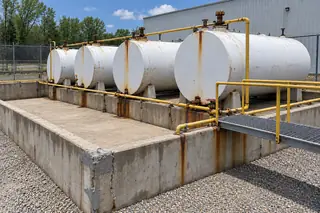
Most commercial mortgage lenders require both reports. The Phase 1 protects against environmental liability. The PCA protects against deferred maintenance surprises. Skipping either one because you already have the other is a mistake that costs more to correct after closing than the report would have cost before closing. Properties with aboveground fuel storage carry a third due diligence item: SPCC compliance for commercial fuel storage.
What a PCA Costs and What Drives the Price
A standard property condition assessment runs $1,250 to $2,500 for a typical commercial property under 50,000 square feet. Larger properties, older buildings, multi-site portfolios, and properties with complex mechanical systems push costs higher. A 200,000 square foot industrial facility or a multi-building apartment complex can cost $5,000 to $10,000 or more.
Age is a major cost driver. An engineer assessing a five-year-old office building with complete maintenance records can move through the inspection faster than one assessing a 50-year-old warehouse with no documentation. Older buildings require more time to evaluate because more systems are closer to end of life, maintenance history is often incomplete, and the likelihood of hidden deficiencies increases with age.
Property type also affects cost. Multi-family properties require unit sampling. Hotels require assessment of individual rooms, common areas, and commercial kitchen equipment. Retail centers with multiple tenants may require tenant coordination for access. Industrial properties may include specialized equipment and environmental considerations that add inspection time.
The report turnaround is typically two to four weeks from the site visit. Rush deliveries are available from most firms at a premium. If your due diligence window is tight, give the assessor the deadline before engagement.
The Gotcha: What a PCA Does Not Tell You
A PCA is a visual assessment of accessible components. It is not technically exhaustive by design. The ASTM E2018 standard explicitly acknowledges that there is a point at which the cost of gathering additional information outweighs its usefulness in a commercial transaction.
This means the PCA will not catch problems hidden behind walls, under floors, or above ceilings unless visible signs of damage are present. It will not identify latent structural defects that require invasive testing to detect. It will not evaluate tenant-owned equipment or systems that were inaccessible during the inspection. If a critical mechanical room was locked and building management did not provide access, that gap will be noted in the report but the equipment inside goes unassessed.
Specialized testing is available but costs extra. Infrared thermography can detect moisture intrusion and insulation gaps that are invisible to the naked eye. Destructive testing can confirm the condition of structural elements or roofing assemblies. Seismic risk assessments add probable maximum loss calculations for properties in earthquake zones. These add-ons are not part of the baseline PCA and are ordered separately based on the property's risk profile.
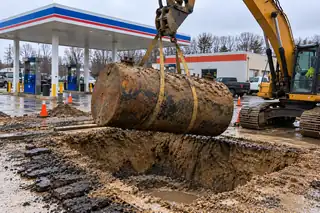
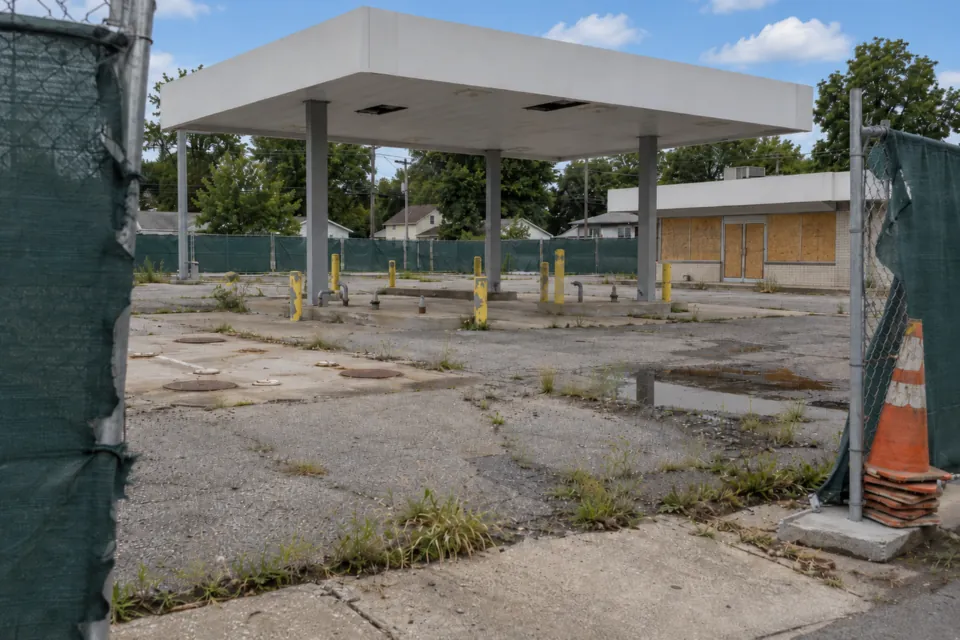
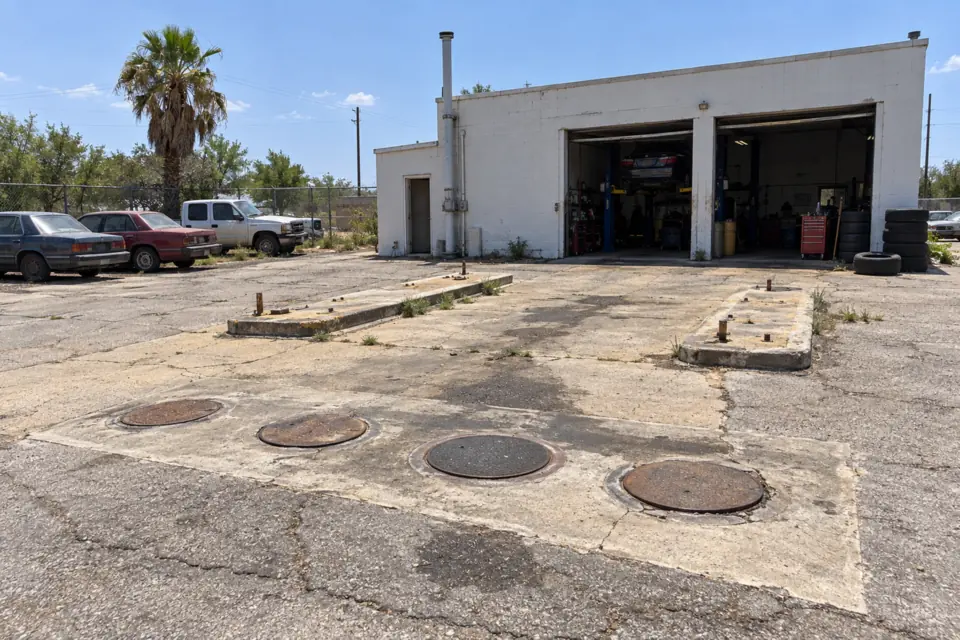
The biggest limitation that surprises buyers: a PCA does not evaluate environmental contamination. If the property has underground storage tanks or a history of industrial use, you need a Phase 1 ESA in addition to the PCA. The PCA does not cover environmental hazards. The PCA engineer is not looking for environmental hazards, and the report explicitly disclaims any opinion on environmental conditions.
When You Need a PCA and When You Can Skip One
Every commercial mortgage loan requires a PCA. Lenders need the capital expenditure forecast to evaluate whether the property can support the debt service after accounting for necessary repairs and replacements. CMBS (commercial mortgage-backed securities) transactions have specific PCA requirements that dictate the forecast period and report format.
Acquisitions without financing also benefit from a PCA, even when the lender does not require one. The replacement reserves table gives you a negotiating tool. If the PCA identifies $200,000 in deferred maintenance that the seller did not disclose, that number becomes a price reduction argument or a seller credit request. Without the PCA, you discover those costs after closing when they come out of your operating budget.
Portfolio managers and asset owners use PCAs for capital planning even when no transaction is occurring. A PCA every three to five years gives you a current maintenance roadmap and helps you budget for major system replacements before they become emergencies. This is standard practice for institutional owners like REITs, pension funds, and insurance companies.
You can skip a PCA in three situations. The property is vacant land with no improvements. You plan to demolish everything before redevelopment. Or the building is brand new construction with warranties still in effect. In all three cases, the building condition is either irrelevant or already documented. For everything else, get the report.
How to Read the Report Without an Engineering Degree
Start with the executive summary and the replacement reserves table. These two sections contain 80% of the decision-relevant information. The executive summary flags immediate repair needs, items requiring further investigation, and overall building condition. The cost table shows you the dollar amounts and timing.
Immediate repair needs are items that should be addressed within the first year. These are not cosmetic issues. A roof leak damaging structural elements, a fire suppression system that does not meet code, or an electrical panel at capacity are all immediate needs. These costs should be factored into your purchase price. These costs should be factored into your purchase price or addressed as conditions of closing.
Short-term reserves (years one through five) cover items approaching end of useful life. HVAC replacements, parking lot repaving, roof replacements, and elevator modernization are common line items. Long-term reserves (years six through twelve) cover items with remaining useful life that will eventually need attention. Understanding the difference between immediate, short-term, and long-term needs helps you structure your capital budget and avoid cash flow surprises.
If the PCA identifies items requiring further investigation, take that recommendation seriously. The assessor is flagging something they could not fully evaluate during the visual inspection. A structural concern flagged for further investigation might cost $5,000 to evaluate with a structural engineer. If you skip that evaluation and the concern turns out to be real, the repair could cost $100,000.
How to Order a PCA
If you are in due diligence on a commercial property and need a property condition assessment, start by contacting a firm that follows the ASTM E2018 standard. Most environmental consulting firms that handle Phase 1 ESAs also perform PCAs, which simplifies coordination when you need both reports for the same transaction. For more detail, see our guide on What Happens During an Oil Tank Sweep Test.
For properties with underground storage tanks or a history of industrial use, the environmental due diligence side of the transaction is just as important as the building condition assessment. You can request a quote for environmental site assessment work through this site. Browse UST contractors by state to find firms that handle both environmental and building condition evaluations. Sellers of properties with active or recently removed UST systems should review UST closure obligations for site sellers before listing.
Do not wait until the last week of due diligence to order the PCA. The site visit, report preparation, and your review of the findings all need time. Ordering the PCA and Phase 1 ESA simultaneously at the start of due diligence is the most efficient approach. Many firms offer a discount when both reports are engaged together.
If the PCA identifies significant deferred maintenance or capital needs, use the report as a negotiating tool. The numbers in the replacement reserves table are not opinions. They are engineering estimates backed by a site inspection and prepared by a licensed professional. That carries weight in negotiations that a general observation about the building's condition does not. If you are at the hiring stage, our directory lists tank testing contractors.