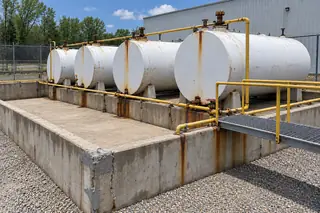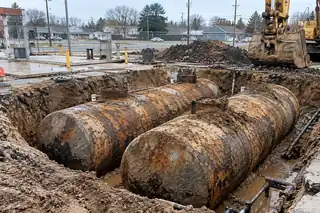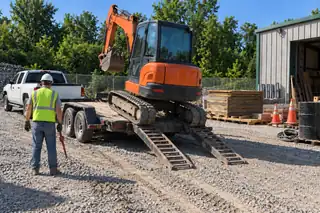
A Phase 1 environmental site assessment is a property investigation that identifies potential contamination risks before a real estate transaction closes. No soil is sampled. No groundwater is tested. The entire process is a records review, site visit, and set of interviews designed to answer one question: is there evidence of hazardous substances or petroleum products at this property?
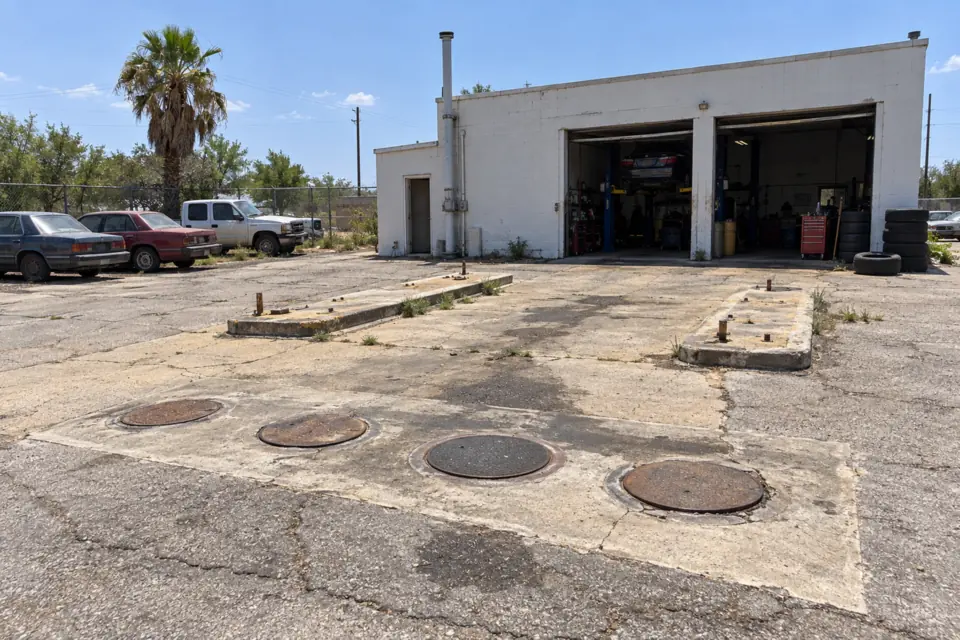
The Phase 1 ESA follows ASTM E1527-21, the standardized process recognized by the EPA for satisfying All Appropriate Inquiries under federal environmental law. Completing one before you buy commercial property is the foundation of environmental due diligence in the United States. Some lenders and legal documents write it as a phase I environmental site assessment using Roman numerals. The report is identical regardless of formatting.
Most commercial lenders require a Phase 1 ESA before approving financing. Most institutional investors require one before closing. Anyone buying a property with any industrial, commercial, or mixed-use history should want one as well. The alternative is inheriting contamination liability that can cost six or seven figures to resolve.
Whether your lender calls it an ESA phase 1 or a Phase 1 ESA, the process and deliverable are the same. This guide explains that process, what the consultant examines, and how Phase 1 connects to Phase 2 assessments. It also covers why the legal protections a Phase 1 ESA provides are worth far more than the report itself.
Who Needs a Phase 1 ESA and When
Any buyer of commercial or industrial property should get a Phase 1 ESA before closing. This includes retail strip centers, office buildings, warehouses, undeveloped land with prior industrial use, gas stations, manufacturing facilities, auto repair shops, dry cleaners, and mixed-use properties. If the property has ever been used for anything other than single-family residential, a Phase 1 ESA is the minimum standard of environmental due diligence. Even vacant land warrants an assessment if prior uses are unknown.
Lenders drive most of the demand. Banks, credit unions, and institutional lenders almost universally require a Phase 1 ESA before funding a commercial property loan. The lender wants to know whether the collateral they are financing sits on contaminated ground, because contamination reduces property value and creates cleanup liability that could exceed the loan amount.
The buyer is not the only party who benefits. Sellers use Phase 1 ESAs to identify and address issues before listing, which prevents deals from collapsing during due diligence. Developers order them before breaking ground on redevelopment projects, especially on brownfield sites with prior industrial use. Government agencies require them for properties acquired with public funds. Commercial tenants entering long-term leases on industrial properties are also ordering them more frequently, because CERCLA now extends certain liability protections to lessees.
Single-family home purchases do not typically require a Phase 1 ESA unless there is a specific contamination concern like a buried oil tank. A phase 1 environmental inspection is not a home inspection. It evaluates contamination risk from historical land use, not building condition.
The Four Components of a Phase 1 ESA Under ASTM E1527-21
Every phase 1 assessment follows the same structure. ASTM E1527-21 requires four core components. The first is a records review covering historical use of the property and surrounding area. The consultant examines aerial photographs going back decades, fire insurance maps, city directories, building permits, topographic maps, and regulatory agency databases. The goal is to reconstruct what happened on the property over its entire documented history and flag any activity that could have introduced contaminants to the soil or groundwater.
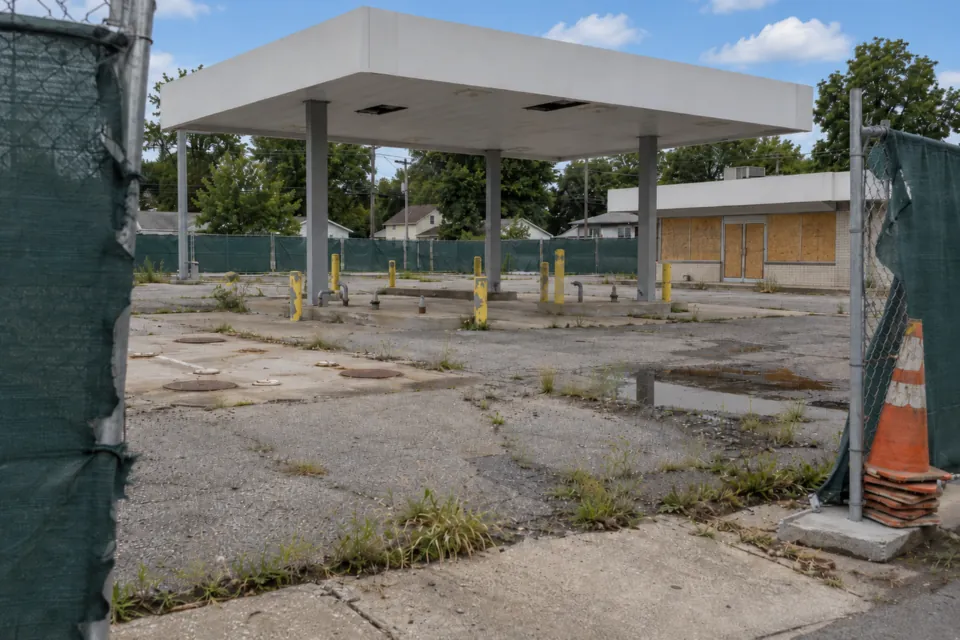
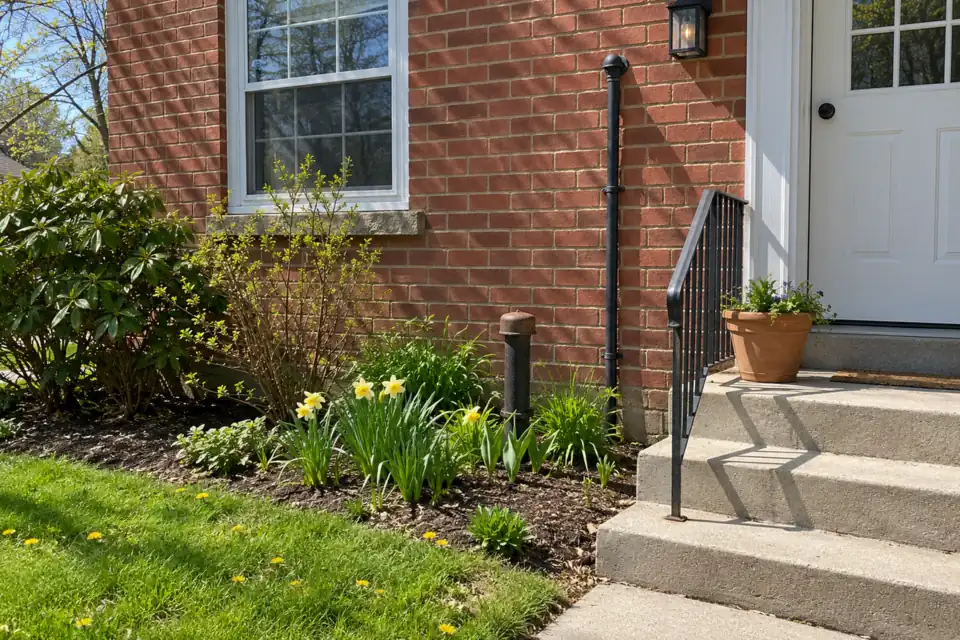
Site reconnaissance is the second component. The environmental professional walks the property looking for visual evidence of contamination or conditions that suggest past releases. Stained soil, abandoned drums, fill pipes indicating buried tanks, stressed vegetation patterns, and evidence of underground storage tanks are all red flags documented during the visit.
Interviews make up the third component. The consultant talks with current and past owners, occupants, and local government officials to gather information about the property's history that may not appear in public records. Under the 2021 standard update, interviews are now classified as a standard historical source rather than a standalone requirement.
The fourth component is the report itself. The environmental professional documents all findings and provides professional opinions about whether the property has any Recognized Environmental Conditions. The report must include photographs of the property, a map showing property boundaries, and clear conclusions about identified RECs, Historical RECs, and Controlled RECs.
What the Consultant Is Looking For
The central concept in a Phase 1 ESA is the Recognized Environmental Condition, or REC. ASTM E1527-21 defines it in three parts. Petroleum or hazardous substances are already on site from a release, or are likely there from a release or likely release. The third part covers substances kept where they pose a material threat of release in the future. The entire assessment exists to identify RECs.
Reports also flag past releases that reached regulatory closure. A Historical REC (HREC) was remediated and closed with no controls left on the site, while a Controlled REC (CREC) was closed but stays subject to institutional or engineering controls, which a buyer inherits.
What each label means for a purchase, and which findings lead to a Phase 2, is covered in how to read REC, CREC and HREC findings.
Not every finding in a Phase 1 ESA is cause for alarm. De minimis conditions are minor issues that do not pose a threat to human health. A small area of stained concrete near a maintenance shed, for example, would typically fall into this category and would not trigger enforcement action.
Phase 1 vs Phase 2: How They Connect
A Phase 1 ESA asks whether contamination could be present. A Phase 2 answers whether it actually exists.
If the Phase 1 identifies one or more RECs, the environmental professional will typically recommend a Phase 2 assessment. The Phase 2 involves physical sampling of soil, groundwater, soil vapor, or building materials at locations guided by the Phase 1 findings. Samples go to a certified laboratory for analysis. Phase 2 assessments follow ASTM E1903 standards and cost significantly more than Phase 1 reports because they involve drilling, sampling equipment, and lab fees.
Not every Phase 1 ESA leads to a Phase 2. Properties with clean histories and no identified RECs receive a clean report and the transaction proceeds normally. Properties with only Historical RECs or de minimis conditions may not need further investigation either. The Phase 2 is triggered specifically by active RECs that require sampling to confirm whether contamination is present and at what concentrations.
Skipping the Phase 1 and going straight to Phase 2 testing is a gamble that rarely pays off. Without the historical analysis and site reconnaissance from Phase 1, the Phase 2 sampling plan has no basis for deciding where to test. You could drill in the wrong locations, miss contamination entirely, and still face the liability you were trying to avoid.
How Long a Phase 1 ESA Takes
A standard phase 1 site assessment takes two to four weeks from authorization to final report delivery. Some firms advertise faster turnarounds, and expedited reports are possible in 10 to 15 business days for straightforward properties with accessible records and cooperative owners. Properties with complex histories, multiple prior owners, or limited public documentation take longer.
The timeline breaks down into predictable phases. The first few days cover contract execution and scope definition. The next three to five days are spent pulling historical records from databases, government agencies, and mapping services. The site visit typically happens within the first two weeks and takes a few hours to a full day depending on property size. Report writing and internal review fill the remaining time.
Delays happen for predictable reasons. Government agencies responding to records requests may take seven or more business days. Property owners or tenants who are slow to schedule site access push back the inspection date. Properties with complex histories involving multiple owners and uses require more research time. Rural properties may have limited historical documentation available.
If you are under a tight closing deadline, tell the consultant before signing the contract. Most experienced firms can accommodate accelerated schedules for additional fees, but they need to know the constraint upfront rather than discovering it midway through the process.
When a Phase 1 ESA Expires
A Phase 1 ESA does not last forever.
Under ASTM E1527-21, the report is valid for one year from its completion date. After 180 days, five specific components must be updated before the report can support a transaction. These are the interviews, recorded environmental cleanup lien searches, government records reviews, site reconnaissance, and the Environmental Professional declaration. If any of these are older than 180 days at closing, they need to be refreshed.
Timing the Phase 1 ESA relative to your anticipated closing date is a practical consideration that gets overlooked. Order it too early and you risk needing expensive updates. Order it too late and it delays closing. The sweet spot for most transactions is starting the Phase 1 ESA 60 to 90 days before the expected closing date.
State and local regulations may impose shorter validity periods than the ASTM standard. Some jurisdictions recognize a Phase 1 ESA for only 180 days regardless of updates. Check the requirements in your state before assuming the one-year federal standard applies to your specific transaction. Some jurisdictions refer to the report as a phase one environmental site assessment or simply a phase one environmental. The ASTM E1527-21 standard applies regardless of what your state calls it.
The CERCLA Connection: Why This Report Protects You Legally
CERCLA is the federal law that makes property owners liable for environmental contamination on their property, even if they did not cause it. A factory owner who polluted the ground in 1970 and a buyer who purchased the property in 2025 can both be held responsible for cleanup. That is strict, joint, and several liability, and it is the primary reason Phase 1 ESAs exist as a standard practice in commercial real estate.
The Innocent Landowner Defense is the legal protection that shields buyers from inherited contamination liability. To qualify, the buyer must demonstrate that they conducted All Appropriate Inquiries before acquiring the property and had no reason to know about the contamination at the time of purchase. A Phase 1 ESA conducted under ASTM E1527-21 satisfies the All Appropriate Inquiries requirement. This is not an abstract legal concept. It is the mechanism that determines whether you pay for someone else's contamination or walk away protected.
Without a Phase 1 ESA, you have no defense.
If contamination is discovered on a property you purchased without conducting All Appropriate Inquiries, you are a responsible party under CERCLA regardless of whether you caused it. Cleanup costs for contaminated commercial properties routinely exceed $100,000 and can reach into the millions. The Phase 1 ESA is liability insurance that costs a fraction of what it protects against.
Starting the Phase 1 Process
If you are buying, selling, or refinancing commercial property, start the Phase 1 ESA process early. A search for "Phase 1 environmental site assessment companies near me" turns up national consultants alongside local firms, and the local firms typically quote faster turnaround and lower prices. Look for a firm with experience in your property type and geographic area. Ask about their turnaround time, their familiarity with ASTM E1527-21 requirements, and whether they have performed assessments on similar properties.
Request quotes from two or three firms. Prices for a standard Phase 1 ESA range from $2,000 to $4,000 for most commercial properties, with larger or more complex sites running higher. Industrial properties with multiple buildings, long operating histories, or suspected contamination will cost more because they require deeper research. The cost difference between firms often reflects the depth of their analysis, not just the speed of delivery. For a first number on your own site, the Phase 1 ESA cost calculator adjusts the range for property type, acreage, state, and turnaround.
If your Phase 1 ESA identifies RECs that require further investigation, the same consultant can typically conduct the Phase 2 assessment. Having one firm handle both phases eliminates the learning curve of bringing in a new team and keeps the project moving on your transaction timeline. Ask about this during the initial engagement so the scope can be structured accordingly. When the work goes out for bids, start the shortlist from the contractor directory.
For properties with underground storage tanks, contaminated soil, or environmental remediation needs, our directory connects you with licensed environmental contractors across the country. Browse contractors in your state or request a free quote to find professionals who specialize in the environmental services your property requires. For contractor options, see petroleum remediation services.