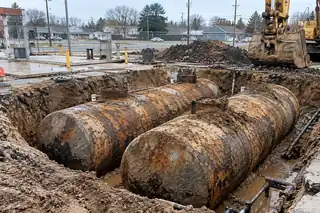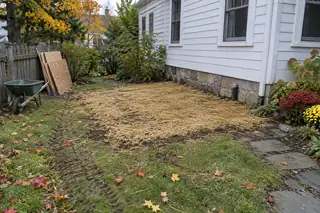
VOC testing identifies volatile organic compounds at petroleum impacted UST sites. Laboratories charge $80 to $250 per sample depending on matrix and turnaround, covering soil, subsurface vapor, groundwater, and interior air sample types. The most common method at UST release sites is EPA Method 8260D, a gas chromatography mass spectrometry technique that quantifies more than 60 individual compounds including benzene, toluene, ethylbenzene, and xylenes.
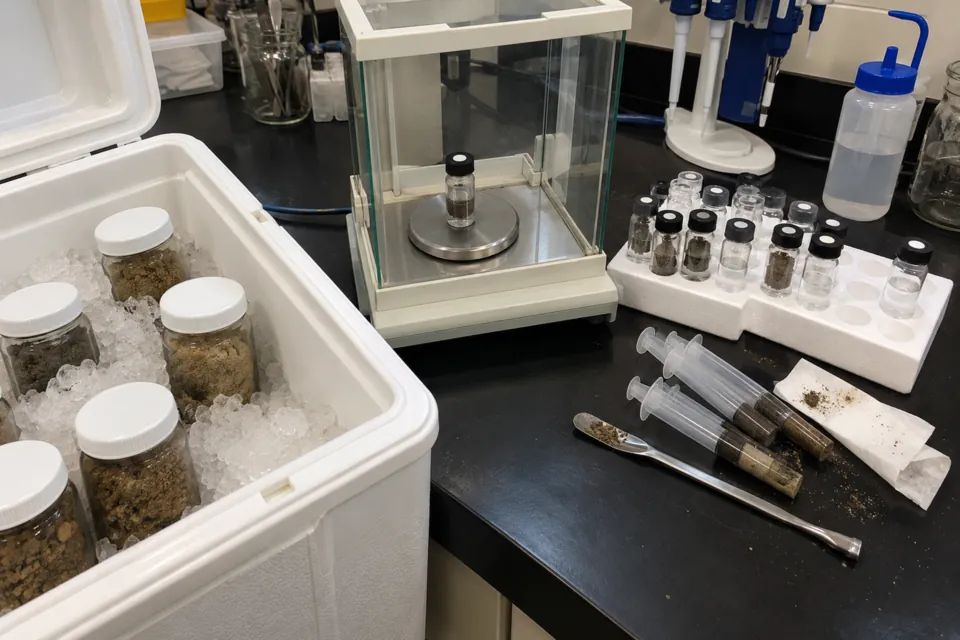
Consultants order VOC analysis when a Phase 1 environmental site assessment under ASTM E1527-21 identifies a recognized environmental condition tied to fuel storage or historical spills. Phase 2 investigations then rely on this analytical work to confirm whether a release has occurred and to map the size of a petroleum contamination plume. Subsurface vapor sampling, soil gas survey programs, monitoring well water samples, and interior canister readings each have their own holding times, container requirements, and detection limits. Choosing the wrong matrix or missing a holding time invalidates a sample and forces a return trip to the site.
Cost matters because VOC testing scales quickly. A modest UST site investigation with 8 soil samples, 3 monitoring wells, and 4 soil vapor probes can run $3,500 to $6,000 in laboratory fees alone, before any field labor. Property buyers, lenders, and state environmental agencies all want defensible data, which means certified laboratories, documented chain of custody, and method blanks that prove the sampling equipment was clean.
This guide walks through what VOC testing detects, which EPA methods apply, how samples get collected from each environmental medium, where the holding time traps sit, what the action thresholds mean, and what each sample costs in 2026. It is written for Phase 2 ESA consultants, UST remediation managers, environmental laboratory clients, and property owners trying to read a lab report. See our oil tank soil testing guide for a residential focused companion.

What VOC Testing Detects at UST Sites
Volatile organic compounds are carbon based chemicals that evaporate readily at room temperature. At a UST release site the target list narrows to petroleum hydrocarbons, with benzene as the headline analyte because it is a known human carcinogen with a federal drinking water standard of 5 micrograms per liter under 40 CFR 141. Toluene, ethylbenzene, total xylenes, methyl tertiary butyl ether (MTBE), and naphthalene round out the standard BTEX plus MTBE plus naphthalene panel that most labs report on petroleum projects.
Chlorinated solvents show up at former dry cleaners, machine shops, and industrial sites rather than gas stations, but they often share a single sample list because Method 8260D covers both groups. Tetrachloroethylene, trichloroethylene, vinyl chloride, and 1,1,1 trichloroethane have stricter cleanup thresholds than the petroleum fraction because they migrate further in groundwater and pose a higher cancer risk per microgram inhaled.
A petroleum contamination signature usually shows benzene driving the risk calculation. Diesel and home heating oil release a heavier petroleum fraction with more naphthalene and fewer light aromatics, while gasoline releases produce the full BTEX suite plus MTBE if the release happened before reformulated gasoline phased out the additive around 2006. Reading a 8260 result without knowing the fuel type leaves the consultant guessing about source and age.
The presence of fingerprint compounds tells the geochemical story. Methyl tert butyl ether in soil vapor above 1 part per million typically signals gasoline released between 1980 and 2006. High naphthalene with low BTEX suggests aged diesel or home heating oil. A site with elevated benzene, ethylbenzene, and total xylenes but minimal toluene often indicates weathered gasoline because toluene degrades fastest in the subsurface. State UST programs in New Jersey and California routinely require this kind of fingerprint analysis on closure samples.
EPA Method 8260 and Related Laboratory Methods
EPA Method 8260D is the workhorse VOC analysis for soil, water, and stack samples. It uses gas chromatography mass spectrometry with a purge and trap concentrator, which strips volatile compounds from the sample matrix using inert gas and captures them on a sorbent before flash heating onto the GC column. The method targets more than 90 compounds with reporting limits typically in the 1 to 5 microgram per liter range for water and 5 to 50 microgram per kilogram range for soil.
Method 8260D sits inside EPA SW-846, the consolidated test methods compendium for solid waste evaluation under 40 CFR 261. The current revision is dated 2018 and superseded Method 8260C with minor updates to performance criteria. State laboratory certification programs reference SW-846 directly, which means out of state laboratories must be accredited under the National Environmental Laboratory Accreditation Program (NELAP) before their results are accepted in regulatory submittals.
Sample preparation methods pair with 8260D. EPA Method 5030B preps aqueous samples by purge and trap directly. EPA Method 5035A preps soil samples using a sealed vial system that prevents loss of volatile compounds during transit and analysis. A Method 5035A failure (lost vial seal, broken vial, exceeded holding time) is the single most common reason that a soil VOC result gets rejected by state reviewers. Consultants running a Phase 2 site assessment routinely see 5035A rejections drive return field events.
Interior building air and subsurface vapor samples follow a different track. EPA Method TO-15 is the standard for VOCs in ambient and interior air collected into a passivated stainless steel Summa canister. EPA Method TO-17 uses sorbent tubes instead of canisters and works well when target compound concentrations sit near method detection limits. Soil gas survey work for vapor intrusion typically pairs TO-15 with the EPA vapor intrusion technical guidance issued in June 2015.
Sampling Soil, Soil Vapor, Groundwater, and Indoor Air
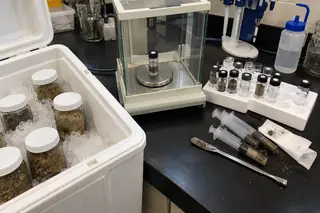
Soil sample collection at a UST site uses either grab samples from a hand auger or split spoon samples from a Geoprobe rig. Both routes feed the same Method 5035A vial system: a 5 gram aliquot of soil drops into a 40 milliliter vial preserved with sodium bisulfate or methanol, sealed with a Teflon septum cap, and chilled to 4 degrees Celsius. Each sample needs a duplicate vial in case of breakage during transit.
Soil vapor sampling pulls a gas sample from a permanent or temporary probe driven below grade. The standard probe is a 0.25 inch outside diameter stainless steel tube installed in a sand pack at 5, 10, or 15 feet below ground surface, then sealed with bentonite to prevent atmospheric short circuiting. A leak check using helium or 1,1 difluoroethane confirms the seal before the lab vacuum draws the sample into a 6 liter Summa canister.
Groundwater sampling for VOC analysis follows low flow purge and sample protocols. The pump runs at 100 to 500 milliliters per minute until field parameters stabilize across three consecutive readings, covering temperature, conductivity, dissolved oxygen, oxidation reduction potential, and turbidity. Stable values protect against drawing atmospheric oxygen into the well screen and stripping volatile compounds prematurely. Sample bottles are 40 milliliter VOA vials with zero headspace, preserved with hydrochloric acid, and chilled to 4 degrees Celsius.
Indoor air VOC testing for vapor intrusion uses 24 hour or 8 hour canister samples in occupied buildings. The 6 liter Summa canister sits on the lowest occupied floor, far from windows, HVAC returns, and known indoor chemical sources, and pulls air across a calibrated flow controller. Indoor air results require careful interpretation because consumer products such as paint thinner, dry cleaned clothes, gasoline cans, and attached garages routinely produce background VOC concentrations that mimic a subsurface source.
Holding Times, Containers, and Chain of Custody
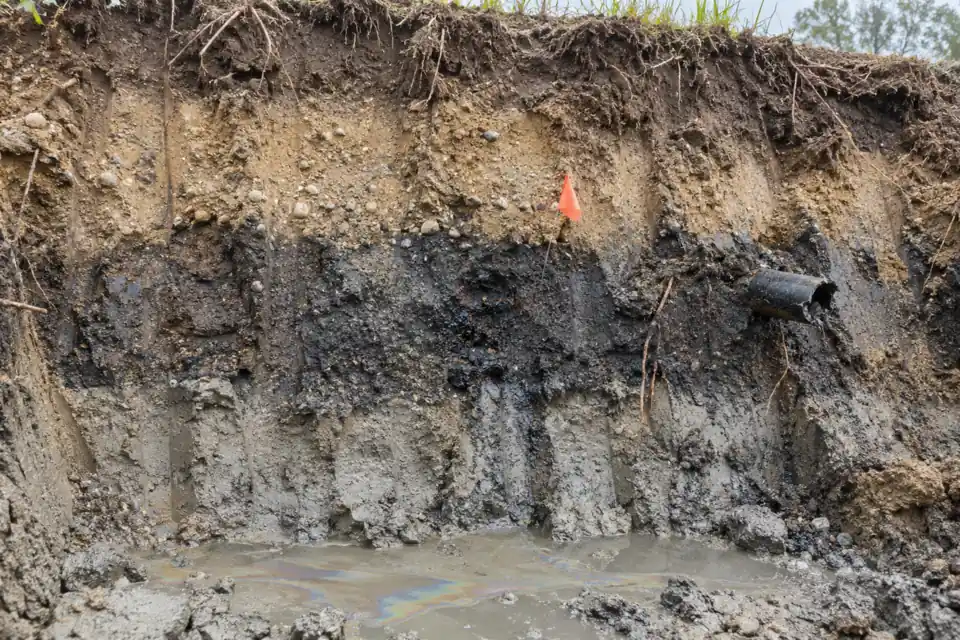
Holding times for VOC analysis are short and strictly enforced. Soil samples preserved under Method 5035A hold for 14 days from collection to analysis when refrigerated. Unpreserved soil samples drop to 48 hours, which is too short for most projects to use reliably. Aqueous samples in 40 milliliter VOA vials with hydrochloric acid preservation hold for 14 days. Soil vapor and air canister samples hold for 30 days when stored at room temperature in their sealed canisters.
Container choice matters as much as preservative. Method 5035A vials must arrive at the lab with intact Teflon septa, no headspace, and the correct preservative weight inside (typically a sodium bisulfate tablet for low concentration soils or 5 milliliters of methanol for high concentration soils). A field tech who substitutes a glass jar or a standard 40 milliliter vial for the prescribed 5035A container triggers automatic rejection at the laboratory.
Chain of custody documentation runs from the field sampler through the courier to the laboratory bench. Each form lists every sample bottle with its unique identifier, the collection date and time, the matrix code, the requested method, and the preservation. Every transfer of custody requires a signature with date and time, and any gap in the signature chain weakens the legal defensibility of the result if the data ever supports a cleanup demand or insurance claim.
Field blanks and trip blanks travel with the sample shipment. A trip blank is a vial of reagent water prepared at the laboratory, shipped to the site, and returned unopened with the cooler of real samples. A detection in the trip blank above the reporting limit indicates cross contamination during shipping and casts doubt on the real sample results. Most state UST programs require one trip blank per cooler of aqueous VOA samples. When the results arrive in a mix of µg/L, mg/kg, and ppbv across media, the ppm calculator converts between them with the water, soil, and air math handled correctly.
Action Thresholds and Vapor Intrusion Screening
Action thresholds vary by matrix and by state, but a few federal numbers anchor the system. Benzene in drinking water has a Maximum Contaminant Level of 5 micrograms per liter under the Safe Drinking Water Act. Benzene in indoor air has a residential vapor intrusion screening level of about 0.36 micrograms per cubic meter under the EPA Regional Screening Levels table. That number represents a 1 in 1 million excess cancer risk over a lifetime of exposure.
Soil action thresholds run higher because the pathway from soil to receptor includes leaching, volatilization, and dilution. The EPA Regional Screening Level for benzene in residential soil sits at 1.2 milligrams per kilogram for direct contact and around 0.025 milligrams per kilogram for protection of groundwater. States can tighten or loosen these numbers based on local hydrogeology, which is why a New Jersey impact to groundwater standard often differs from a Texas commercial direct contact standard for the same compound. Closure work routed through our tank decommissioning service follows state specific cleanup numbers that supersede federal screening levels.
Vapor intrusion screening uses an attenuation factor that compares subsurface vapor concentration to indoor air. The EPA Vapor Intrusion Technical Guide from 2015 recommends a default attenuation factor of 0.03 for subslab vapor and 0.001 for groundwater driven vapor. Multiplying a measured soil vapor concentration by 0.03 yields an estimated indoor air concentration that gets compared against the residential or commercial screening level.
When indoor air values exceed screening thresholds, mitigation typically follows. Subslab depressurization, similar in design to a radon mitigation system, pulls vapor from beneath the slab and vents it above the roofline before it can enter the building. Active systems run continuously and require periodic verification testing, while passive vapor barrier membranes installed during new construction work when subsurface concentrations are modest. Our vapor intrusion mitigation guide covers what each system type costs, how installation runs, and how long a system has to keep operating. State agencies in Massachusetts and Pennsylvania maintain dedicated vapor intrusion guidance documents with state specific screening tables.
VOC Testing Cost Per Sample by Method and Matrix
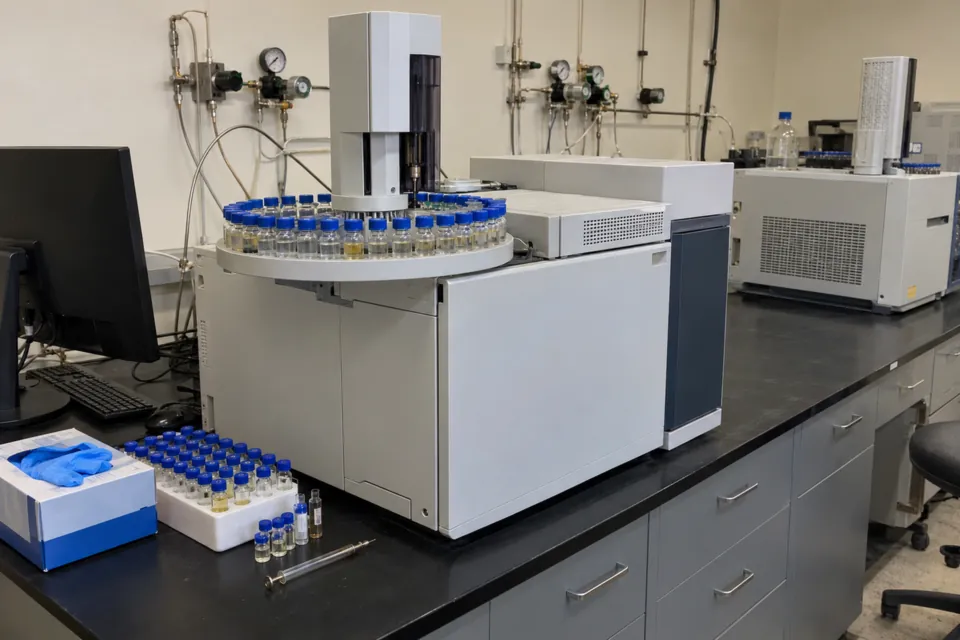
VOC testing cost per sample falls into predictable ranges by matrix and turnaround. A standard 14 day turnaround soil sample under Method 8260D plus 5035A prep runs $85 to $130 per sample at most commercial environmental laboratories. A water sample under 8260D plus 5030B runs $80 to $120. Both methods double in price for 5 day rush and triple for 48 hour rush, which means an urgent UST closure can spend $400 per sample if the schedule is tight.
Soil vapor and indoor air analytical costs sit higher because the canister hardware is expensive. A Method TO-15 sample in a 6 liter Summa canister runs $250 to $400 for standard turnaround at most laboratories. Canister rental fees add $25 to $50 per day, and flow controllers add $15 to $30 per device. Method TO-17 sorbent tubes run $150 to $250 per sample without the canister overhead, which is why high volume soil gas survey programs sometimes prefer sorbent tubes for budget reasons.
Field labor multiplies the analytical bill. A two person sampling crew with a Geoprobe rig collects 8 to 12 soil samples plus 4 monitoring well samples in a single day at $1,800 to $2,800 in labor and equipment fees. Soil vapor probe installation adds $300 to $500 per probe for materials and labor. Indoor air canister deployment runs $150 to $300 per sample event in labor plus the analytical and canister fees noted above.
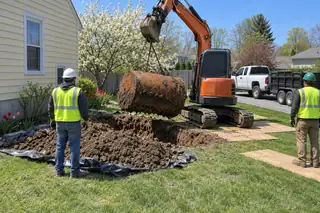
Project budgeting follows a rule of thumb. For a Phase 2 ESA at a former gas station, plan on $8,000 to $20,000 total for soil and groundwater VOC testing, depending on site size and number of media tested. A small residential heating oil tank closure with 4 soil samples and no groundwater work runs $400 to $700 in analytical fees alone. See our oil tank removal cost guide for how analytical fees fit inside the total closure budget.
Hiring a Qualified Sampling Team for Fuel Spill Cleanup
Fuel spill cleanup work begins with credible VOC sampling data because every downstream decision (remediation method, excavation depth, monitoring well placement, closure path) keys off the lab numbers. A sampler who skimps on chain of custody, blows a holding time, or chooses the wrong matrix can force a $5,000 redo field event before any cleanup work begins. State agencies routinely reject closure submittals built on flawed sample data, which extends fuel spill cleanup timelines by months.
Three credentials separate a qualified field team from a low bid alternative. The first is documented training in EPA SW-846 sampling protocols, typically delivered through a 40 hour HAZWOPER course plus method specific refreshers. The second is NELAP accredited laboratory partnership with documented data validation procedures. The third is current pollution liability insurance, which protects the property owner if a sampler causes a release during probe installation or well purging.
Vetting questions sharpen the selection. Ask each candidate how many Phase 2 ESA projects they completed in the past year, which states they regularly file closure reports in, and which laboratory they default to for VOC work. Ask whether they routinely include trip blanks, field duplicates, and matrix spike samples in their QA program. Vague answers correlate with rejected closure submittals, while specific answers (named labs, named methods, named state programs) correlate with clean closures.
The fastest path to a clean fuel spill cleanup is hiring a team that has done the work before in the same state. Local familiarity with state UST regulators, accepted laboratories, and standard report formats compresses the timeline by weeks. Browse prequalified UST contractors in our contractor directory or request a quote to start a competitive procurement for soil vapor sampling, monitoring well installation, and lab analytical packaging. Pairing strong field work with strong analytical chemistry is the only reliable way to defend a fuel spill cleanup closure determination years after the work is finished.