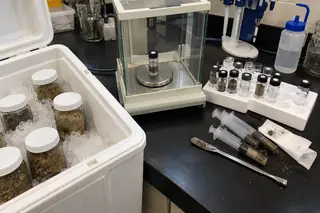
Environmental due diligence is the buyer's only shield against inheriting CERCLA cleanup liability at closing. Done correctly under the EPA All Appropriate Inquiries Rule (40 CFR 312), it meets the inquiry requirement for CERCLA's innocent landowner defense and related protections, and lenders often require it on properties with any environmental history. A typical Phase 1 ESA costs $2,500 to $6,000, and its key parts must be done or updated within 180 days before the purchase.
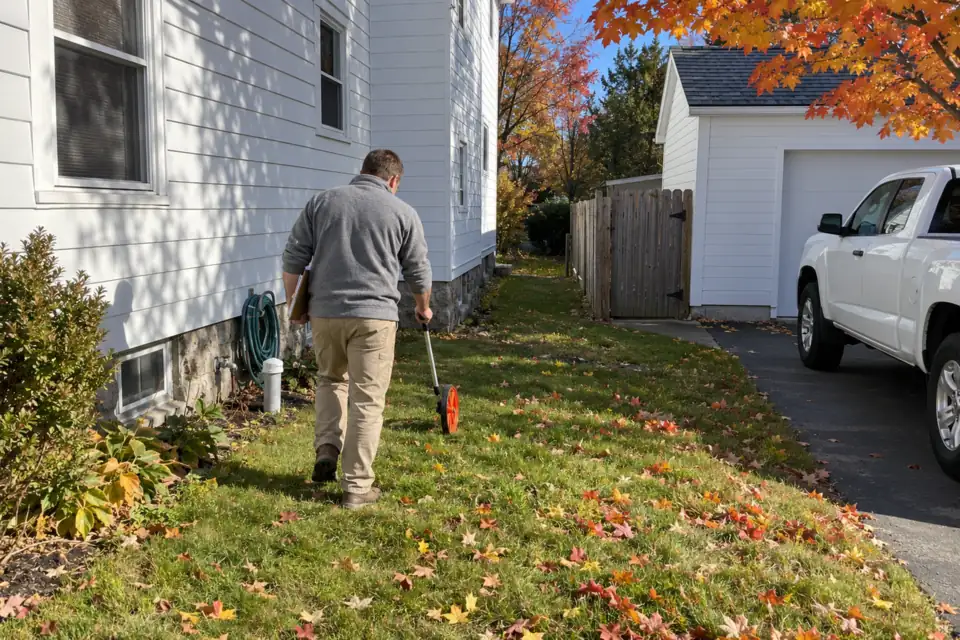
The defense matters because CERCLA 1980 imposes strict, joint, and several liability on current property owners for cleanup costs, even when contamination predates the purchase. Skipping the inquiry, or running a cursory version, leaves a buyer financially exposed for spills that may have happened decades earlier under a different operator.
This guide walks through the AAI rule and the ASTM E1527-21 Phase 1 standard. It covers when Phase 2 sampling becomes necessary, how transaction screens differ from a full Phase 1, the typical cost and timeline, and the closeout documentation lenders demand before funding. Read this environmental due diligence overview before you sign a purchase contract, not after.
What Environmental Due Diligence Actually Means
Environmental due diligence is a structured investigation of a property's environmental history, current condition, and surrounding land uses. It runs separately from a building inspection, a title search, or a survey, because none of those documents reveal whether the soil under the building once held a leaking underground storage tank. The investigation focuses on Recognized Environmental Conditions, defined by the current Phase 1 standard as the presence, likely presence, or material threat of a hazardous substance release.
The work is performed by a qualified environmental professional, a category the EPA defines in 40 CFR 312.10 by reference to specific credentials and years of full time experience. The professional reviews historical aerial photographs, Sanborn fire insurance maps, city directories, state and federal database records, regulatory agency files, and any prior environmental reports. A site visit follows, looking for staining, distressed vegetation, vent pipes, abandoned fill ports, and other physical evidence of a buried tank or a past hazardous substance spill.
Buyers commission the work to qualify for federal liability protection. Lenders require it because they will not accept collateral that may turn into a Superfund site after foreclosure. Insurance carriers underwriting environmental policies rely on the same report to set premiums and to draft exclusions. The work product is a written Phase 1 environmental site assessment, the standard deliverable that satisfies the AAI rule when performed to ASTM E1527-21. Buyers handling commercial deals can review our companion piece on buying commercial property with an underground storage tank for property type specific guidance.
The AAI Rule and CERCLA Innocent Landowner Defense
The All Appropriate Inquiries Rule sits at 40 CFR 312, codified by EPA in 2005 to implement CERCLA Section 101(35)(B). The rule defines what a buyer must do before purchase to claim one of three CERCLA liability defenses: innocent landowner, contiguous property owner, or bona fide prospective purchaser. Without a compliant inquiry, the defense disappears and the buyer becomes a Potentially Responsible Party for any future cleanup demand. The rule reaches every commercial transaction in which a purchaser intends to claim liability protection, regardless of property size or transaction value.
CERCLA 1980, the federal cleanup liability statute, makes current owners strictly liable for hazardous substance contamination regardless of fault. The 2002 Brownfields Amendments created the AAI safe harbor so that buyers who run a compliant Phase 1 ESA before closing, and meet the law's other conditions, can take ownership without inheriting cleanup obligations for releases they did not cause. The safe harbor is the entire reason most commercial deals invest in a Phase 1 before closing. Many state innocent purchaser laws mirror the federal framework, but enforcement and recordkeeping vary by jurisdiction.
The defense is fragile. A buyer who learns of contamination during the inquiry and proceeds anyway loses the innocent landowner defense, though a bona fide prospective purchaser may buy with that knowledge. Any buyer who fails to take reasonable steps to stop continuing releases after closing loses protection. The rule expects the buyer to act on what the report finds, not file it and forget it. This is why working with a qualified environmental professional and a transactional attorney matters more than chasing the cheapest report. See our companion guide on what to do when a Phase 1 ESA finds an underground storage tank for the typical next steps once a REC is documented.
How a Phase 1 ESA Works Under ASTM E1527-21
ASTM E1527-21 is the consensus standard the EPA recognizes as satisfying the AAI rule for commercial property transactions. It replaced ASTM E1527-13 in November 2021, with the federal rule formally incorporating the new version in February 2023. The standard sets the scope of records review, site reconnaissance, interviews, and report content, so two consultants following the standard should produce broadly comparable findings on the same property. Reports that simply cite the old standard without addressing the new requirements no longer satisfy AAI.
Records review under the standard must cover federal databases (NPL, CERCLIS, RCRA, LUST, ERNS), state and tribal lists, and historical land use sources stretching back to 1940 or the first developed use of the parcel. The site reconnaissance requires a walking inspection of accessible areas of the property, looking for the same recognized environmental conditions the records hinted at. Interviews with the current owner, current operator, key site managers, and the local fire department fill gaps that the paper trail misses on older properties.
The report itself follows a rigid structure. It must identify Recognized Environmental Conditions, Controlled Recognized Environmental Conditions, Historical Recognized Environmental Conditions, and de minimis conditions. Under 40 CFR 312.31(b), the environmental professional "should include an opinion" on whether more investigation is appropriate. Critically, ASTM E1527-21 tightened the definition of a Historical REC, meaning some properties that previously passed under the 2013 version may now flag for Phase 2 work. If a prior report on the same property relied on the older standard, the safe harbor associated with that earlier report may have already expired.
Transaction Screen Assessment vs Full Phase 1
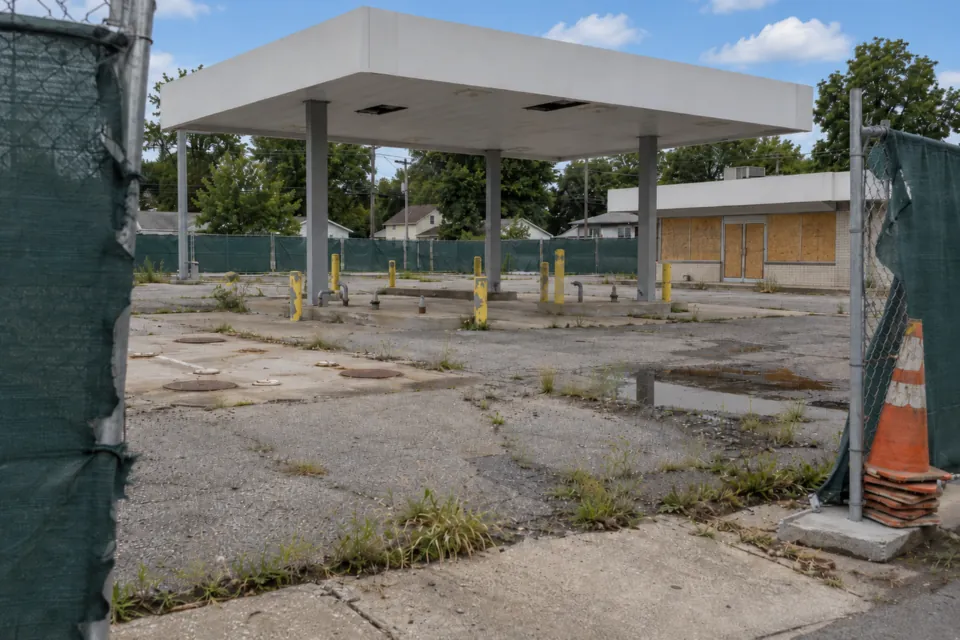
The transaction screen is a lighter weight option defined under ASTM E1528-22. It uses a shorter questionnaire, a smaller records search radius, and a less detailed final report. The product costs roughly $800 to $1,800 and turns around in five to ten business days, which appeals to buyers chasing cheaper deals. The trouble is that ASTM E1528 does not satisfy the AAI rule, so a transaction screen alone provides no CERCLA liability defense.
Most institutional lenders require a full Phase 1 ESA under the current standard because their loan documents tie environmental requirements directly to AAI compliance. Small bank loans, SBA 504 financing, and private money sometimes accept a transaction screen on lower risk properties, but the lender always reserves the right to upgrade the requirement. A transaction screen that turns up any concern triggers an immediate upgrade to a full Phase 1, often delaying closing by two to three weeks. The delay falls hardest on rate locked deals where the buyer is already paying extension fees.
The honest answer for most commercial deals: pay for the full Phase 1. The $1,000 to $2,000 premium over a screen buys both the CERCLA defense and the lender acceptance you will need anyway. Transaction screens make sense only on small transactions where no lender is involved and no future buyer will demand AAI documentation. For anything over $500,000 or anything a future buyer might need to refinance, the transaction screen is a false economy. Buyers can check typical prices in the Phase 1 ESA cost guide before committing to either tier.
When Phase 2 Sampling Becomes Required
A Phase 1 ESA either gives the property a clean bill or identifies a Recognized Environmental Condition. When a REC appears, the report recommends a Phase 2 environmental site assessment under ASTM E1903-19, which adds intrusive sampling: soil borings, groundwater monitoring wells, vapor probes, or tank pit excavation. Phase 2 work confirms or rules out actual contamination by collecting and laboratory testing physical samples against state cleanup criteria. The transition from Phase 1 to Phase 2 is where the cost curve steepens sharply.
Common triggers include a former gas station next door, a historic dry cleaner on the property, or evidence of a buried fuel tank. Prior reported spills in the state LUST database also trigger Phase 2, as do former industrial uses without closure documentation. The presence of a UST that was removed without a state issued No Further Action letter almost always triggers Phase 2 sampling. See our guide on oil tank soil testing for what the laboratory analysis actually measures and how results map to state action levels.
Phase 2 costs vary widely based on scope, ranging from about $5,000 for a single boring confirmation up to $25,000 or more for full delineation of a known release. The work takes two to six weeks once mobilized, depending on access, drilling schedules, and laboratory turnaround. Buyers often negotiate Phase 2 cost sharing into the purchase contract, with the seller agreeing to credit the buyer at closing if the report finds contamination, or to escrow funds against eventual cleanup. Working with an experienced Phase 2 consultant helps the buyer scope the investigation without overspending on unnecessary borings.
Cost, Timeline, and the 180 Day Validity Window
A standard Phase 1 ESA in 2026 runs $2,500 to $6,000 nationally, with the typical commercial property landing between $3,200 and $4,500. A cost calculator narrows that by state, acreage, and turnaround. Higher cost markets like New York and California routinely exceed the upper end of the range, as do projects in New Jersey and Massachusetts. Larger sites, properties with extensive industrial history, and rush turnarounds drive the price up further. The cheapest reports often skip the required interviews or shortcut the records review, which can void AAI compliance and force a full redo at the worst possible moment.
Timeline runs ten business days to four weeks from authorization to final report. Records vendors take three to five business days to return their database search. The site visit gets scheduled around access constraints, which often means waiting on the seller or current operator. Interviews can stretch the schedule further if key parties are unresponsive or hard to track down. Plan for three weeks in your transaction calendar, and ask the consultant upfront when the report will be sealed and delivered to the lender.
Environmental due diligence has a strict shelf life under federal rules. Under 40 CFR 312.20, AAI must be conducted within one year before the date of acquisition, and key parts must be conducted or updated within 180 days before it. If more than 180 days pass before closing, the interviews, lien search, records review, site visit, and the professional's declaration must be updated, and after one year a new inquiry is needed. Buyers who close on a report that has aged past these limits lose the CERCLA defense even though they paid for the inquiry. Use the find a UST contractor directory to line up a Phase 2 consultant in advance, because a 180 day clock leaves no margin once the report flags a concern.
Closeout Documentation Lenders Require
Lenders typically require the executed Phase 1 ESA addressed and reliance assigned to them by name. A report prepared only for the buyer does not protect the lender, who needs reliance language that allows them to sue the consultant if the report missed a material condition that later surfaces. Reliance letters are inexpensive (often $250 to $500) but must be requested before the report is finalized, because adding parties after the fact requires the consultant to reopen liability analysis.
For properties with a Phase 2, lenders also want the laboratory analytical reports, the boring logs, and a closure letter from the relevant state regulator. In states with formal voluntary cleanup programs, lenders often require enrollment confirmation before funding the loan. The EPA Brownfields program coordinates with state programs to speed these closures, particularly for former gas stations and other former UST sites. Read our closed gas station redevelopment guide for the typical brownfield path.
When the report flags an active UST or a likely release, the buyer needs a contractor lined up before closing to begin remediation on day one. Most commercial deals close with a holdback or escrow tied to environmental closure, so contractor selection and the written scope of work become part of the closing package. Pricing varies by jurisdiction, so request a quote early. The earlier the contractor is engaged, the cleaner the closing.