Your home inspector found an oil tank. The deal is not dead.
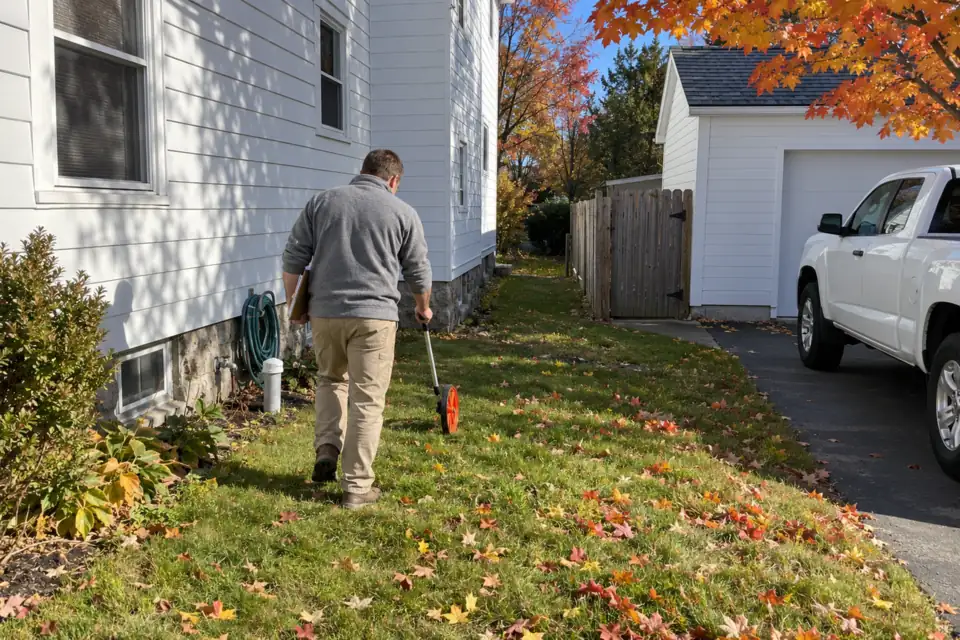
That capped metal fill pipe near the foundation is the telltale sign of a buried heating oil tank. Most of these tanks were installed between the 1940s and 1970s, and thousands of them are still sitting in yards across the Northeast. The tank itself may be 275 to 1,000 gallons. The problem is not the steel in the ground. The problem is what happens if it leaked.
A buried oil tank home inspection finding is one of the most common transaction snags in the Northeast. Breathe. The next 48 hours matter more than the previous month of house hunting, but this is a solvable problem with a predictable playbook.
A buried oil tank can stall a mortgage, and that reshapes the entire real estate transaction. For FHA loans, HUD's Handbook 4000.1 has the appraiser note visible signs of a buried tank, such as fill pipes and vent caps, and require further inspection if there is visible evidence of leakage or contamination. The lender is not worried about the oil tank removal cost. Their concern is open ended remediation if soil contamination shows up after closing.
Why a Fill Pipe in the Yard Stops a Real Estate Deal
An underground oil tank in real estate transactions creates a specific problem: the lender sees an open ended liability with no ceiling. A property with an oil tank in the backyard and no closure documentation is, from a lender's perspective, a property with unknown environmental risk attached to the title. Some portfolio lenders or cash buyers can work around this, but for many buyers using a conventional mortgage, the tank has to be addressed before the loan funds. Expect the lender to ask for proof that the environmental risk is resolved.
This is why the discovery feels so urgent. The inspection contingency clock is ticking, and a problem that costs $2,000 to fix can stall a $400,000 closing if nobody acts quickly. Your real estate agent has probably seen this before. Lean on their experience while you line up the right specialist.
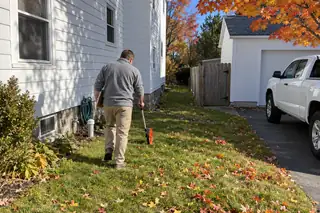
Your home inspector identified a fill pipe and vent pipe sticking out of the ground near the foundation. That is the extent of what they can do. A general home inspector is not licensed or equipped to assess the tank's condition, test for leaks, or evaluate soil contamination. They flag the finding and move on to the next item on their checklist.
What you need next is a tank specialist, not another general inspector. A UST contractor can run a tank tightness test, pull soil samples from around the tank, and give you an actual scope of work. The home inspector's report tells you a tank exists. The tank contractor's assessment tells you what it will cost to deal with it.
What the Home Inspector Can and Cannot Tell You
One common mistake at this stage: calling the home inspector back to ask for more details about the oil tank. They do not have more details. They spotted a pipe. A tank sweep using ground penetrating radar or a metal detector confirms the tank's location and size, and that is a different service from a different professional.
Some inspectors will speculate about the tank's age or condition based on the pipe diameter or cap style. Treat that as a guess, not a diagnosis. The only way to know whether the tank is intact or leaking is to test it.
You have three paths forward, and the right one depends on the purchase price, the local market, and your tolerance for uncertainty.
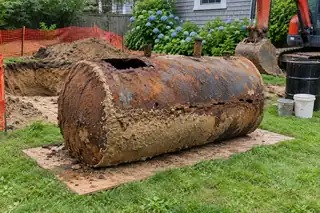
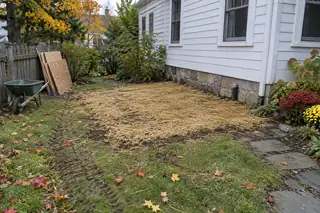
Option one: negotiate for the seller to handle oil tank removal before closing. This is the cleanest outcome for the buyer. The seller hires a licensed contractor, removes the tank, tests the soil, and provides a closure report or No Further Action letter. You close on a property with no environmental question marks.
The Buyer's Decision Tree: Three Real Options
The tradeoff is time. Tank decommissioning and soil testing take two to four weeks, so your closing date will likely need to move. In a competitive market, asking the seller to delay closing is a harder ask than in a buyer's market.
Option two: negotiate a price reduction or escrow holdback to cover oil tank removal cost. The seller credits you $3,000 to $5,000 at closing, or the funds are held in escrow until you handle removal after you own the property. This keeps the original timeline intact. The risk falls entirely on you. If soil testing reveals oil tank contamination, that $5,000 credit will not cover a $30,000 remediation.
Option three: walk away. If the seller refuses to address the tank and the inspection contingency is still active, you can exit the contract. This is the right call when the property is priced at the top of your budget. A potential five figure remediation bill turns a stretch purchase into a bad investment.
Do not let anyone tell you option three means you lost the house. You avoided buying someone else's environmental liability.
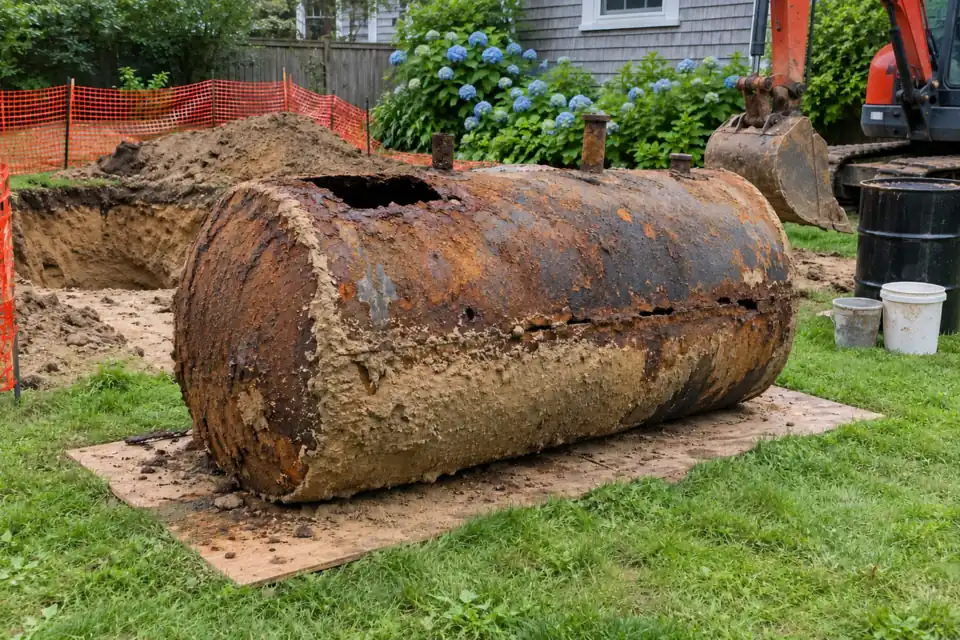
What Sellers Should Know About Oil Tank Disclosure
If you are selling a home with a buried oil tank, oil tank disclosure is not optional in most states. Concealing a known underground storage tank and letting the buyer discover it during a home inspection puts you in a weaker negotiating position. It also exposes you to post closing legal claims that are far more expensive than the removal itself.
The seller oil tank responsibility question has a clear answer in practice: the seller almost always pays. Whether through direct removal, a closing credit, or a price reduction, the cost lands on the person who owns the property when the tank is discovered. Buyers have the leverage of walking away. Sellers have the leverage of fixing the problem before it becomes a negotiation.
A pre listing tank removal with a clean soil report costs $1,500 to $3,500 in most Northeast markets. That is far less than the $10,000 to $15,000 price reduction a panicked buyer will demand when their inspector finds the fill pipe.
Hope is not a negotiation strategy.
How Much Removal Actually Costs Before Closing
The exception: if your property is priced well below market and you expect multiple cash offers, some buyers will accept the tank as is. This is rare in typical residential transactions but common in investor purchases and estate sales where the buyer prices risk into the offer.
Residential oil tank removal in the Northeast typically runs $1,500 to $3,500 for a standard yard burial. Basement tanks cost more, usually $2,500 to $5,000, because of access constraints and interior demolition. Those numbers cover the removal itself. They do not include soil testing or remediation.
Soil sampling after removal adds $500 to $2,000 depending on the number of samples and lab turnaround time. If the soil comes back clean, you are done. The contractor gives you a closure report and files whatever your state or town requires; in New Jersey, a clean home tank closure ends with the town's permit sign-off and nothing goes to NJDEP. The tanks that leak are typically the oldest steel tanks with no cathodic protection.
If the soil comes back contaminated, the project changes completely. Remediation for petroleum contaminated soil runs $5,000 to $50,000 or more for residential properties, depending on how far the contamination spread and whether it reached groundwater. This is the scenario that stalls a mortgage and the reason many lenders want the tank addressed before they fund.
The Soil Test Trap That Blows Up Deals
Here is where deals fall apart. The buyer and seller agree on a removal credit. The contractor pulls the tank. The soil test comes back with elevated petroleum levels. Now what?
If the seller gave a flat credit at closing, the buyer owns the contamination. If the funds are in escrow, there may not be enough to cover full remediation. The trap is agreeing to a fixed dollar amount before anyone knows the soil condition. This mistake happens in almost every market where buried oil tanks are common, and it is entirely avoidable.
Get the soil test before you finalize any dollar figure. A pre removal soil boring costs $400 to $800 and tells you whether the tank leaked. If the soil is clean, the removal is straightforward and the cost is predictable. If the soil is contaminated, you negotiate with real numbers instead of guesses. The exception: if you are still in early showings and not yet under contract, spending $400 on soil testing for a property you might not offer on is premature.
Skipping the soil test to save $500 is the most expensive shortcut in residential real estate.
Northeast States Where This Happens Every Week
Oil heat is concentrated in the Northeast: in the Census Bureau's 2024 American Community Survey, the ten states with the highest share of oil-heated homes include all six New England states, New York and Pennsylvania. In New Jersey, a home heating oil tank must be closed by a firm certified by NJDEP for tank closure, under a demolition permit from the town; NJDEP's 14-day closure notice under N.J.A.C. 7:14B applies only to regulated tanks. Book the certified contractor and the permit early, because either can push a closing date. In Pennsylvania, USTIF covers regulated tanks rather than home ones, but DEP's heating oil tank reimbursement can return up to $4,000 of cleanup costs if a buried home tank leaked.
In Maine, about half of homes heat with oil, the highest share of any state. Maine regulates buried home heating oil tanks, and its UST rule requires notice to reach DEP at least 10 business days before a tank is closed. Connecticut is fourth, at about 35 percent, and its DEEP does not regulate heating oil tanks serving four or fewer units, so ask the town whether a permit is needed. Maryland has about 140,000 oil-heated homes. Massachusetts and New York also rank in the top ten for oil heat. Removal costs and contractors for those two states are on the Massachusetts oil tank removal and New York oil tank removal pages.
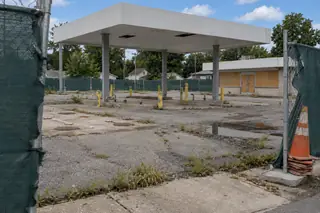
If you are buying property in the South or Mountain West, a buried residential oil tank is unusual. Those regions used natural gas or propane for heating, not oil. A buried tank on a property in Texas or Colorado is almost certainly a commercial fuel tank, not a residential heating oil tank, and the regulatory framework is different. Do not assume the residential playbook applies to a commercial tank.
Searching for oil tank removal near me at midnight is how most people end up reading this page. Stop scrolling through generic results and call a UST contractor in the morning. Ask for a tank sweep to confirm the tank's location and size, a soil boring to check for contamination before removal, and a written estimate for removal and closure. You can find UST contractors in your state or request a quote directly.
What to Do in the Next 48 Hours
If you are the buyer, send your agent the inspection report and ask them to request the seller's tank records. Some sellers have documentation of a previous tank closure that was never recorded with the state. A closure report from 2004 sitting in a filing cabinet solves the whole problem without anyone digging up the yard.
If you are the seller, get the tank removed before your next showing. Every week a buried oil tank sits in your yard is a week you risk losing a buyer over something that costs less than a kitchen renovation. A clean closure report is the single best document you can hand a buyer's agent. For contractor options, see oil tank removal services.
Thousands of homes close every year with buried oil tank discoveries on the inspection report. An oil tank in the backyard is a speed bump, not a roadblock. The transactions that close smoothly are the ones where someone picked up the phone in the first 48 hours and got a qualified contractor on site before the contingency expired. When the work goes out for bids, start with tank inspection and testing contractors.