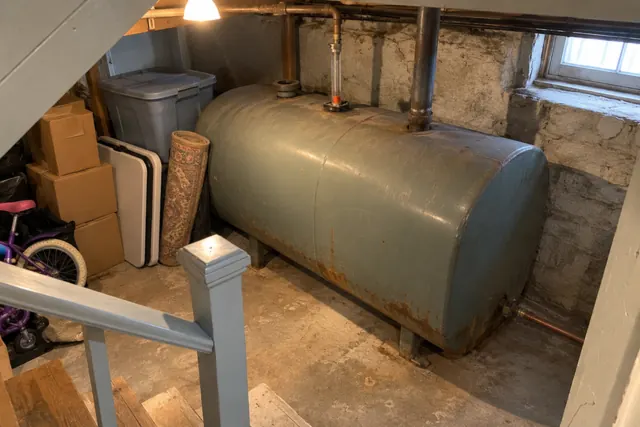
Find Oregon contractors for oil tank removal, UST closure, UST decommissioning, certified heating oil tank decommissioning, basement tank excavation, petroleum tank removal, and environmental remediation. Serving Portland, Eugene, Salem, Bend, Medford, Gresham, Hillsboro, Beaverton, and communities statewide.
How Oregon Regulates UST Closure and the Certified HOT Program
Oregon oil tank removal runs under Oregon DEQ. DEQ splits oversight between the regulated UST program for commercial tanks and the Heating Oil Tank (HOT) program for residential homes. The HOT program is distinctive: Oregon requires Certified Heating Oil Tank Service Providers for residential heating oil tank closure by rule. Commercial UST closure at gas stations, fleet yards, and industrial sites must be performed by a DEQ-licensed UST contractor under federal 40 CFR 280 rules. Residential heating oil tank decommissioning requires an HOT-certified service provider, even for below-threshold tanks.
Oregon tank removal work concentrates in the Portland metro including Multnomah, Washington, and Clackamas Counties, and along the I-5 corridor through Salem and Eugene. Bend and Central Oregon generate resort and rural residential heating oil tank work, especially in Deschutes County where natural gas service is patchy. Medford and the Rogue Valley, plus coastal communities like Astoria and Newport, round out regional demand. Willamette Valley clay-heavy soils and a shallow winter groundwater table drive distinctive excavation conditions across most of Western Oregon. Older Portland neighborhoods (Alameda, Irvington, Laurelhurst, Eastmoreland), Salem, and West Eugene routinely turn up buried residential heating oil tanks on real estate closings.
Residential oil tank removal in Oregon typically runs $1,500 to $4,000 for a standard buried tank, with Portland basement jobs at $2,500 to $5,000 due to access. Commercial petroleum tank removal at Willamette Valley gas stations and fleet yards runs $5,000 to $18,000 per tank before remediation. If soil sampling exceeds Oregon DEQ cleanup standards, remediation work adds $5,000 to $35,000 or more, particularly at Willamette Valley clay-soil or high-groundwater sites. Homeowner heating oil tank cleanup under the HOT Program may be covered by pollution liability insurance or homeowner policies; commercial releases draw on federal LUST Trust Fund support through Oregon DEQ. Our underground tank removal cost guide breaks down pricing by tank size, soil condition, and site access.
A typical Oregon job starts with Oregon Utility Notification Center (811) locates, then tank pumping, degassing, excavation, visual inspection, and soil sampling at the tank bed. A clean residential HOT Program closure wraps in one day; commercial multi-tank sites in the Portland metro stretch to three to six days depending on tank count. Remediation runs weeks to months when a release triggers Oregon DEQ cleanup review, especially where Willamette Valley groundwater runs shallow. Before signing a residential contract, verify the contractor is an HOT Program-certified service provider and carries pollution liability insurance. For commercial jobs, verify Oregon DEQ UST license, pollution liability insurance, and documented past closure reports on sites with similar clay-soil and groundwater conditions. Ready to start? Oregon tank removal contractors or submit your quote request from professionals in your area.
Do I need a licensed contractor to remove an oil tank in Oregon?
For residential heating oil tank decommissioning, Oregon requires an HOT-certified service provider licensed by DEQ, unusual among US states. For regulated commercial UST work, Oregon requires a DEQ-licensed UST contractor under federal 40 CFR 280 rules. Oregon Utility Notification Center (811) locates are mandatory before any excavation. Portland, Eugene, Salem, and Bend also apply local building or development permit requirements.
How much does oil tank removal cost in Oregon?
Residential removal in Oregon typically runs $1,500 to $4,000 for a standard buried tank and $2,500 to $5,000 for basement jobs. Commercial petroleum tank removal at gas stations and fleet yards runs $5,000 to $18,000 per tank before remediation. If soil contamination is discovered, environmental remediation can add $5,000 to $35,000 or more, particularly at Willamette Valley clay-layered sites. Homeowner cleanup may be partially offset by pollution liability insurance or homeowner policies, and commercial releases draw on federal financial responsibility rules through DEQ. See our cost guide for pricing by tank size, soil condition, and site access.
How long does oil tank removal take in Oregon?
A straightforward residential HOT closure in Oregon typically takes one day for field work, including excavation, tank pumping, and initial soil sampling. Basement jobs may run to two days because of access and floor cutting. Commercial closure at gas stations or fleet yards runs three to six days depending on tank count and access. If soil sampling triggers DEQ cleanup review under federal 40 CFR 280, paperwork adds 6 to 14 weeks before a closure letter issues.
What is Oregon's Heating Oil Tank (HOT) program?
The Oregon DEQ Heating Oil Tank program licenses service providers who perform residential heating oil tank decommissioning and cleanup. Oregon maintains a formal residential certification track for heating oil tanks, separate from the regulated UST program for commercial tanks. Certified HOT service providers must file decommissioning reports with DEQ and document soil sampling results at closure. Homeowners selling a property typically need a DEQ-logged decommissioning record to satisfy buyer and lender due diligence. Using a non-certified contractor for residential heating oil tank work creates paperwork gaps that can block real estate transactions.
Why does Oregon oil tank removal often cost more than other Pacific states?
Willamette Valley clay-heavy soils, a shallow winter groundwater table, and long rainy seasons drive site-prep costs on Oregon tank removal jobs. Excavation benches, dewatering pumps, and temporary sheeting are more common on Oregon jobs than on similar jobs in California or Washington. Portland and Eugene residential jobs may require access through narrow backyards or basement interiors in older craftsman homes, which adds handwork time. Required HOT-certified service provider licensing for residential work adds a certification premium that bare-minimum contractors cannot offer. Coastal sites and mountain-adjacent communities like Bend also see seasonal scheduling constraints that shift timing and pricing.