

South Dakota UST Installation Costs and Process
Tank installation in South Dakota follows two highway corridors. The I-90 and I-29 routes connect fuel stops and convenience stores that serve long-haul trucking traffic. Sioux Falls drives the most commercial tank work as the state's largest metro area, with steady growth in retail fueling and fleet operations.
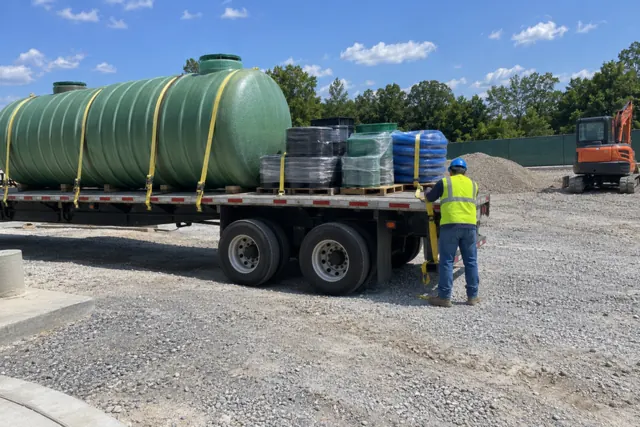
Rapid City sees installation projects tied to tourism traffic heading to the Black Hills and surrounding national parks. Aberdeen and Watertown support agricultural fueling infrastructure, where grain elevators and farm cooperatives operate bulk fuel storage for equipment fleets. Sparse population density means many installations happen in rural locations with limited contractor availability, pushing project timelines out further than in metro-heavy states. Tribal lands across western South Dakota also maintain fueling facilities that require periodic tank replacement.
A single underground storage tank installation in South Dakota typically costs $50,000 to $130,000 depending on tank size, material, and site conditions. Multi-tank gas station buildouts with dispensers, piping, and monitoring systems run $200,000 to $450,000. Monitoring equipment alone adds $5,000 to $15,000 to the project. South Dakota's cold climate complicates installations scheduled between November and March, when frozen ground requires specialized excavation that can add $10,000 to $25,000 in seasonal costs. The state's Petroleum Release Compensation Fund reimburses necessary and reasonable cleanup costs after a per-occurrence deductible, though facility owners should still carry adequate environmental liability coverage before breaking ground.
South Dakota does not require a state-specific UST training requirements for tank installation. The state's environmental regulatory program oversees underground storage tank compliance through permitting and registration requirements. The actual installation work falls under general contractor and environmental regulations rather than a dedicated UST credential.
Owners must submit installation plans to the state for approval at least thirty days before installation and file a notification form within thirty days after, under ARSD 74:56:01:11. All regulated installations must also meet federal technical standards under 40 CFR 280. That said, most facility owners in South Dakota work with contractors who carry federal EPA certifications and manufacturer training. The lack of a state license does not reduce the technical complexity of the work.
The installation process starts with a site evaluation and engineering design, followed by permit applications to the state. Excavation, tank setting, backfill, and piping connections come next. Dispenser installation and leak detection system commissioning follow, with the full process taking 4 to 12 weeks depending on site access and weather. Before signing a contract, verify that the installer carries pollution liability insurance separate from their general liability policy.
Standard CGL policies have excluded pollution events since 1986. Ask whether the bid includes monitoring system commissioning and the initial compliance testing, or whether those are billed separately. Some contractors quote the tank and excavation but leave out electronic monitoring, dispenser wiring, and state registration paperwork. Get the full scope in writing before any equipment ships to your site.