

What to Know About Tank Decommissioning in Iowa
The Iowa DNR regulates underground storage tanks through the Underground Storage Tanks Section of its Land Quality Bureau in Des Moines. EPA lists Iowa among the states with an approved UST program, and EPA's state programs page says approved programs operate in lieu of the federal program. Iowa Code 455B.471 leaves out tanks storing heating oil for consumptive use on the premises, with no size limit and no limit to homes. The statute also leaves out farm and residential tanks of 1,100 gallons or less holding motor fuel for noncommercial use, but 567 IAC 135.3(4) still sets rules for them. Under 567 IAC 135.3, those installed before July 1, 1987 only had to be registered, while those installed on or after that date must comply with all UST regulations. Tanks of 110 gallons or less are excluded. Gas station, fleet and other regulated USTs go through the full tank closure process described below.
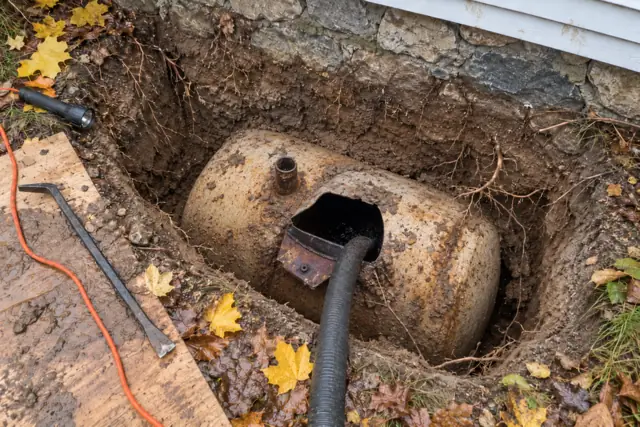
The Iowa DNR closure page and 567 IAC 135.15 set the sequence. Notice goes to the DNR on Form 542-1308 at least 30 days before closure begins, and the closure date is confirmed with the DNR field office 24 hours ahead. Tank closure must be conducted by an Iowa-certified tank remover, who must be on site for all closure-related work. The soil and groundwater closure investigation must be conducted or supervised by a certified groundwater professional. Closure in place is allowed by a method the DNR approves. The closure report goes to the DNR within 45 days of the tank removal or closure in place, with the tank tags.
Iowa's old petroleum tank fund is winding down. The Iowa Comprehensive Petroleum UST Fund Board was dissolved in 2024, and Iowa Code 455B.472A created a DNR program that reimburses cleanup costs for petroleum releases previously eligible under the old fund. A closure benefit of up to $15,000 per site, with prior budget approval, remains in 591 IAC 11.3 while money lasts. It excludes heating oil tanks and small farm or residential motor fuel tanks. A rulemaking filed in the August 19, 2026 Iowa Administrative Bulletin (ARC 0502D) says the DNR anticipates final disbursal of the funding by December 31, 2026. Our guide to closure in place versus UST removal explains what changes the scope of a closure job.
Owners of regulated USTs must report a release to the Iowa DNR within 24 hours, or within 6 hours if a hazardous condition exists. Closure sampling results must be kept for at least three years. The DNR refunds a year's tank management fee if the tank is closed before April 1. When a property is sold, Iowa Code 558.69 requires the groundwater hazard statement to disclose a known underground storage tank, as state law defines one, with its type and size. The DNR's UST professional certifications database lists certified removers and groundwater professionals. Before hiring any contractor on this page for a regulated UST, confirm the remover and the groundwater professional appear there.