
Site Assessment Contractors in Iowa
Find contractors in Iowa for environmental site assessment, Phase I ESA, Phase II ESA, soil testing, and groundwater investigation. Serving Des Moines, Cedar Rapids, Davenport, Sioux City, and communities statewide.
What to Know About Site Assessment in Iowa
Iowa requires a Licensed UST Professional credential for property assessment work. The state's environmental agency regulates all UST investigations and mandates soil and groundwater sampling whenever a release is suspected or confirmed at a registered facility. Both active and former UST sites fall under these requirements, including gas stations, agricultural fueling operations, and commercial bulk storage facilities. The Licensed UST Professional designation sets Iowa apart from most Midwest states, which rely on general environmental consultant credentials rather than a tank-specific license. Any confirmed contamination triggers mandatory reporting and enrollment in the state's corrective action program, with deadlines that begin running from the date of discovery.
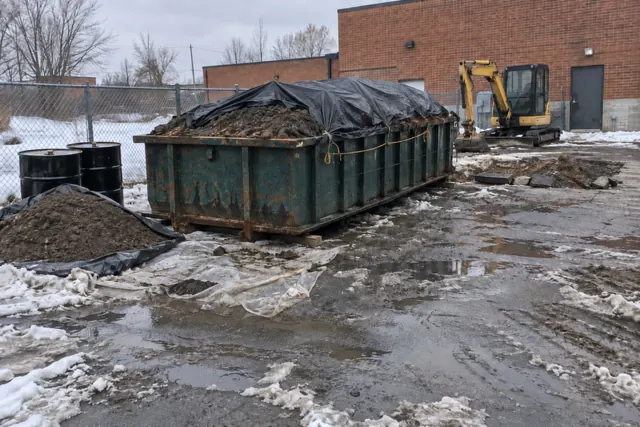
Des Moines and its surrounding metro area generate the highest volume of environmental site assessments in the state, driven by commercial real estate transactions and redevelopment of older industrial parcels. Cedar Rapids and the I-380 corridor see steady demand from manufacturing facilities and former fuel distributors looking to sell or refinance properties. Davenport and the Quad Cities region along the Mississippi River produce assessment work from decades of industrial and transportation fueling operations. Sioux City and Council Bluffs, positioned along major interstate routes, also contribute regular demand from aging truck stops and fleet fueling facilities. Iowa's agricultural economy creates a distinct market segment that most states lack. Grain elevators, farm cooperatives, and rural supply depots sit on properties with UST histories that often go unexamined until a sale or financing event forces the question.
Phase I ESAs in Iowa typically cost $1,500-$3,500, with metro Des Moines properties at the higher end due to more complex land use records. Phase II assessments run $2,500-$8,000 depending on the number of soil borings and whether groundwater monitoring wells are required, with individual sampling points adding $400-$1,200 each. Iowa does not operate a traditional state cleanup reimbursement fund with a standard deductible structure, so property owners should plan to cover assessment and remediation costs directly or through private environmental insurance. If contamination is found during a Phase II, remediation costs start at $10,000 for minor soil impacts and can exceed $50,000 when groundwater is affected. Iowa's high water table in much of the state increases the likelihood that petroleum contamination reaches groundwater, which drives both the scope and cost of Phase II investigations upward.
A site assessment in Iowa typically begins with a Phase I ESA covering historical records, aerial photographs, regulatory databases, and a property walkthrough, which takes two to four weeks. If the Phase I identifies recognized environmental conditions, the consultant moves to a Phase II, which means drilling soil borings near suspected source areas and collecting samples at multiple depths. Fieldwork takes one to three days, with laboratory results arriving in two to three weeks. Iowa's shallow groundwater in many regions means monitoring wells are more commonly required here than in drier states, adding both time and cost to the Phase II scope. Before hiring a consultant, confirm they hold the Iowa Licensed UST Professional credential and ask whether they have submitted corrective action reports to the state for properties similar to yours.
Site Assessment Contractors in Iowa
Browse contractors, see contact details, and request free quotes.
Browse Iowa Contractors →Frequently Asked Questions
Does Iowa require a specific license for UST site assessments?
Iowa requires a Licensed UST Professional credential for contractors performing site assessment work on underground storage tank properties. This is a state-specific designation that goes beyond general environmental consulting credentials. Applicants must demonstrate experience with UST investigations and meet education and training requirements set by the state. When hiring a consultant, ask to see their current Licensed UST Professional credential before signing a contract.
How much does a Phase II environmental site assessment cost in Iowa?
A Phase II ESA in Iowa typically costs $2,500-$8,000, depending on the number of soil borings and whether groundwater monitoring wells are needed. Each soil sampling point adds $400-$1,200 to the total. Properties in the Des Moines metro area tend to fall in the mid-to-upper range because of denser historical land use and more complex site conditions. If contamination is confirmed, remediation costs start at $10,000 for localized soil impacts and can exceed $50,000 when groundwater is involved. Budget for both the Phase I and Phase II upfront, because a Phase I that flags concerns almost always leads to a Phase II.
How long does a full site assessment take in Iowa?
A Phase I ESA takes two to four weeks from the date you retain the consultant. If a Phase II is needed, fieldwork can usually be scheduled within one to two weeks after the Phase I wraps up. Drilling and sample collection take one to three days in the field. Laboratory analysis adds two to three weeks for results. The full process from initial Phase I through final Phase II results runs six to ten weeks under normal conditions. If the state requires additional investigation or monitoring well installation, the timeline extends by several months.
How does Iowa's high water table affect site assessments?
Iowa's water table sits within a few feet of the surface across large portions of the state, particularly in river valleys and the Des Moines Lobe glacial region. This means petroleum from a leaking UST is more likely to reach groundwater than in states with deeper water tables. When groundwater is encountered during Phase II drilling, the consultant installs monitoring wells to collect water samples, which adds $1,500-$3,000 per well to the project cost. Shallow groundwater also increases the chance that contamination has migrated laterally, expanding the number of borings and samples needed to define the extent of the plume. For property buyers in these areas, a Phase II that initially looks straightforward can grow in scope once field conditions are known.
What happens if contamination is found during a site assessment in Iowa?
The consultant reports confirmed contamination to the state environmental agency, which triggers enrollment in the corrective action program. The state assigns a project manager and establishes reporting deadlines based on the severity and type of contamination. The property owner or responsible party must submit a corrective action plan that outlines how the contamination will be addressed, whether through soil excavation, in-situ treatment, or monitored natural attenuation. Remediation timelines range from three to six months for minor soil contamination to two years or more for sites with groundwater impacts. An NFA (No Further Action) letter from the state is the final milestone, and it can take three to twelve months after clean results are submitted.
Browse contractors, see contact details, and request free quotes.
Browse Iowa Contractors →For Iowa UST regulations, visit the Iowa DNR Underground Storage Tanks. Federal requirements are available from the EPA UST Program.
