
Oil Tank Removal Contractors in Kentucky

Find Kentucky contractors for oil tank removal, UST closure, gas station tank decommissioning, residential heating oil tank pulling, soil sampling, and environmental remediation. Serving Louisville, Lexington, Bowling Green, Owensboro, Covington, Frankfort, the Bluegrass region, the Western Coal Field, and communities statewide.

Browse Kentucky Contractors →

Oil Tank Removal Requirements in Kentucky

Oil tank removal projects follow state environmental rules plus, for regulated tanks, federal 40 CFR 280. Kentucky splits UST oversight between two agencies, which routinely confuses property owners and out-of-state contractors. The Kentucky State Fire Marshal licenses UST installers, removers, and inspectors and enforces installation, closure, and equipment standards under 815 KAR 30 series. The Kentucky Department for Environmental Protection handles release response, corrective action, and the Petroleum Storage Tank Environmental Assurance Fund (PSTEAF) under 401 KAR 42 series. Federal 40 CFR 280 requirements apply across both tracks. Commercial UST closure requires a KSFM-licensed remover. Residential heating oil tanks below the federal UST threshold sit outside KSFM licensing, but a confirmed petroleum release still triggers reporting obligations to KDEP within 24 hours. Property transfers in older Louisville, Lexington, Covington, and Bowling Green neighborhoods routinely surface buried tanks during pre-closing inspections that the seller had no idea existed.
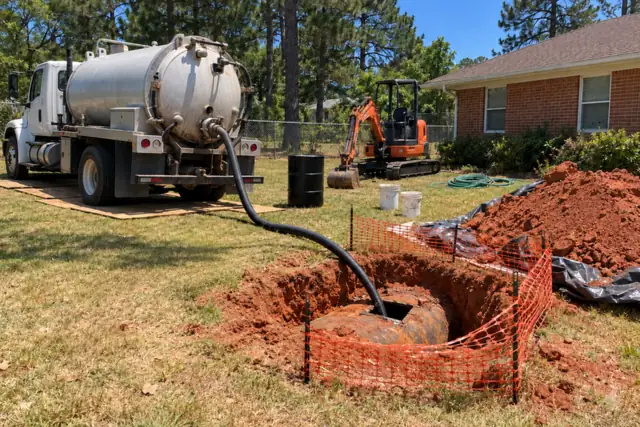
Kentucky's commercial UST turnover concentrates across the Louisville metro, the Lexington Bluegrass corridor, the Covington and Northern Kentucky suburbs across from Cincinnati, and the I-65 and I-75 truck-stop spines. Gas stations and fleet yards have cycled through 1990s federal-deadline systems for decades, with a renewed wave tied to current 30-year corrosion timelines on early-1990s installations. Bowling Green, Owensboro, Paducah, and Hopkinsville add Western Kentucky volume tied to the Pennyrile and Western Coal Field economies. Residential heating oil work concentrates in pre-1965 housing in Louisville's Cherokee Triangle and Highlands, Lexington's Chevy Chase and Bell Court, Covington's MainStrasse, and Frankfort's older neighborhoods. Karst limestone bedrock across the Inner Bluegrass region around Lexington and the Pennyrile Plateau west of Bowling Green creates separate sampling concerns because petroleum can move along fractures and through sinkholes faster than through homogeneous Appalachian soils common further east.

Residential oil tank removal in Kentucky typically runs $1,200 to $2,800 for a buried yard tank with clean soil and machine access. Basement-tank work in older Louisville and Lexington homes climbs to $2,500 to $4,500 because crews dismantle tanks indoors and pass cut sections through narrow basement access. Commercial UST closure at gas stations runs $5,000 to $20,000 per tank depending on piping and pit size. If post-removal soil sampling exceeds KDEP cleanup thresholds, environmental remediation and corrective action under 401 KAR 42 push project totals to $15,000 to $75,000 or more. Karst-influenced Bluegrass and Pennyrile sites run higher because plume delineation through fractured limestone takes more sampling. The Petroleum Storage Tank Environmental Assurance Fund reimburses eligible owners for a significant share of qualifying corrective action costs, drawing on a per-gallon assessment plus federal LUST Trust Fund allocations administered through KDEP. Our oil tank removal cost guide breaks down each variable.

A Kentucky residential tank removal typically wraps in one day on site, with soil laboratory turnaround running five to ten business days. Commercial multi-tank closures at Louisville, Lexington, and Covington gas stations run three to five days on site, with state review extending the closure paperwork tail by several weeks. If post-excavation sampling triggers reporting under 401 KAR 42, the site enters KDEP corrective action with timelines stretching from months to several years for plumes reaching karst groundwater. Spring tornado season in the Western Kentucky Coal Field plus winter ice in the Appalachian counties both push most scheduling into late spring through early fall across the state. Before signing a contract, ask any Kentucky contractor for proof of KSFM remover license for commercial UST work, KDEP-side experience with PSTEAF claims if a release is suspected, and pollution liability insurance. Request a recent closure report from a comparable Louisville or Bluegrass region job and written pricing for both clean-soil and contaminated outcomes. Property owners can View Kentucky contractors or submit a quote request from active contractors.

Oil Tank Removal Contractors in Kentucky

Browse contractors, see contact details, and request free quotes.

Browse Kentucky Contractors →

Frequently Asked Questions

Do I need a licensed contractor to remove an oil tank in Kentucky?

Commercial UST closure in Kentucky requires a Kentucky State Fire Marshal (KSFM) licensed remover with closure work performed under 815 KAR 30 and federal 40 CFR 280 requirements. KSFM handles installation, closure, and equipment licensing while KDEP handles release response and corrective action under 401 KAR 42. Residential heating oil tanks below the federal UST threshold sit outside KSFM licensing. Louisville, Lexington, and Covington contractors that handle residential basement removals still routinely carry pollution liability insurance and KSFM credentials because real estate buyers expect documented closure work. Unlicensed work on a regulated commercial UST blocks PSTEAF eligibility.

How much does oil tank removal cost in Kentucky?

Residential basement tank removal in Kentucky typically runs $2,500 to $4,500 because crews dismantle the tank to fit pieces through narrow basement access. Yard-buried residential tanks range from $1,200 to $2,800 with clean soil. Commercial UST closure at Kentucky gas stations starts near $5,000 per tank and climbs to $20,000 or more for multi-tank pulls in Louisville, Lexington, or the Northern Kentucky corridor. If contamination surfaces, KDEP-supervised cleanup adds $15,000 to $75,000 or more, with karst-influenced Bluegrass and Pennyrile sites running higher. The Petroleum Storage Tank Environmental Assurance Fund (PSTEAF) reimburses qualifying corrective action costs. Our pricing guide breaks down each variable.

How does the Kentucky PSTEAF work?

The Petroleum Storage Tank Environmental Assurance Fund (PSTEAF), administered through KDEP, reimburses eligible Kentucky tank owners for a significant share of corrective action costs following a confirmed petroleum release at a regulated UST site. Eligibility requires the tank to be registered, the release reported within 24 hours, all closure work performed by a KSFM-licensed contractor, and the owner current on regulatory and fund requirements. A deductible applies based on tank-compliance status. The fund draws on a per-gallon assessment on motor fuel sold in Kentucky plus federal LUST Trust Fund allocations. Louisville and Lexington contractors experienced in PSTEAF claim paperwork move applications through faster than first-time applicants.

Why does Kentucky split UST oversight between KSFM and KDEP?

Kentucky's UST program splits along the line between equipment regulation and environmental cleanup. The Kentucky State Fire Marshal under the Department of Housing, Buildings, and Construction handles UST installer, remover, and inspector licensing, equipment certification, and closure-work standards under 815 KAR 30. KDEP under the Energy and Environment Cabinet handles release response, corrective action, and PSTEAF administration under 401 KAR 42. A typical commercial closure starts with KSFM-licensed work and only crosses into KDEP territory if soil sampling confirms a release. This split is unusual among states and routinely confuses out-of-state property owners and contractors working their first Kentucky job.

Do I need to remove a buried oil tank before selling a Kentucky home?

No Kentucky statute forces residential tank removal before a sale. Buyers, lenders, and inspectors in Louisville's Cherokee Triangle and Highlands, Lexington's Chevy Chase, Covington's MainStrasse, and the Northern Kentucky suburbs routinely treat a buried heating oil tank as a reason to renegotiate or escrow funds. Most sellers in competitive Louisville and Lexington markets complete a tank closure, pass soil sampling, and hand buyers a clean closure report before listing. Waiting for a buyer's oil tank sweep to surface an unknown tank usually forces a rushed job, a price concession, or a lost sale, especially in the Bluegrass region where karst sensitivity raises the stakes on cleanup.

Looking for a contractor in Kentucky?

Browse contractors, see contact details, and request free quotes.

Browse Kentucky Contractors →

For Kentucky UST regulations, visit the Kentucky State Fire Marshal - UST Section. Federal requirements are available from the EPA UST Program.

Related Services in Kentucky

Find Kentucky ContractorsRequest a Free Quote
Free Quotes