

What to Know About UST Remediation in Louisiana
UST remediation in Louisiana ranks among the Gulf South's most demanding cleanup work. The state's high water table, alluvial soils, and hurricane exposure create contamination patterns that drier regions rarely face, and the Louisiana Department of Environmental Quality (LDEQ) enforces strict timelines once a release is confirmed. Most projects begin with a Phase I ESA to establish baseline conditions, particularly for property transfers near former service stations or industrial corridors. From there, contractors move to soil and groundwater sampling under LDEQ's Risk-Based Corrective Action framework codified in LAC 33:XI; for broader context on remediation phases and treatment options, see the umbrella guide. Choosing a remediation firm with documented Louisiana project history matters more here than in most states because Gulf Coast hydrogeology punishes inexperienced crews.
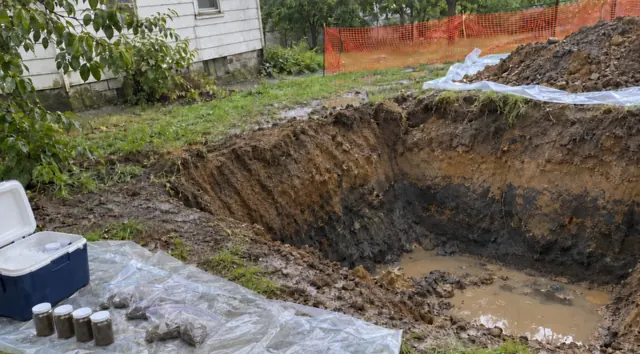
Cleanup conditions vary sharply across Louisiana's regions. In New Orleans and Metairie, contractors routinely encounter shallow groundwater within four feet of the surface, requiring well-point dewatering systems before any tank pit excavation can proceed safely. Baton Rouge sites along the Mississippi corridor often involve layered sand and clay that traps free product and slows natural attenuation. Shreveport and Bossier City projects in the north face firmer red clay soils that hold petroleum vapors longer, which complicates vapor intrusion assessments. Lafayette, Lake Charles, and Houma present coastal challenges including saltwater intrusion that interferes with bioremediation and corrodes monitoring well casings, so a contractor who knows your parish's typical subsurface conditions can avoid costly mid-project surprises.
Louisiana UST remediation costs span a wide range depending on contamination depth, plume size, and site access; simple gasoline release closures with limited soil impact typically run $25,000 to $75,000 for excavation, disposal, and confirmation sampling. Sites with confirmed groundwater contamination often require $100,000 to $300,000 across multi-year monitoring and treatment, with some plumes pushing past $500,000 when free product persists or sensitive receptors are nearby. LDEQ administers the Motor Fuels Underground Storage Tank Trust Fund, which has kept many small operators from Lafayette to Lake Charles solvent through long cleanups. Under LDEQ 2025 guidance, the maximum disbursement is $2,000,000 per eligible occurrence effective August 1, 2024. The owner deductible is $0.00: the in-compliance figure was reduced to zero effective July 1, 2017, and the non-compliance figure to zero for releases occurring after the August 1, 2024 implementation of Act 167. Federal corrective action standards under 40 CFR Part 280 also apply alongside Louisiana's RBCA program. Contractors familiar with the trust fund claims process help owners avoid documentation gaps that delay reimbursement, and reviewing soil and groundwater remediation methods before quoting helps owners weigh excavation against in-situ approaches.
Before signing a remediation contract, verify that your contractor maintains current LDEQ registration and that on-site workers carry HAZWOPER training credentials required for petroleum-impacted soil handling. Ask for at least three closed Louisiana project references from the past five years, ideally in the same parish or hydrogeologic region as your site. Owners in Orleans Parish, East Baton Rouge Parish, and Caddo Parish should especially favor crews who have closed sites under LDEQ's Risk-Based Corrective Action protocols and who have submitted successful Motor Fuels Trust Fund claims. Request a written scope separating assessment, remediation, and long-term monitoring costs to identify scope creep early; confirm the firm carries pollution liability insurance with limits matching your project's exposure, since standard general liability rarely covers contamination spread. Get at least three written quotes, walk each contractor through your site, and pick the one whose plan reflects Louisiana-specific conditions rather than a generic template.