Tank Inspection & Testing Contractors in Connecticut
Find contractors in Connecticut for tank tightness testing, leak detection, line tightness testing, and UST compliance inspection. Serving Hartford, New Haven, Bridgeport, Stamford, and communities statewide.
What to Know About Oil Tank Inspection & Testing in Connecticut
Connecticut tank inspection and testing falls under DEEP regulatory oversight. The Department of Energy and Environmental Protection requires tightness testing, leak detection verification, and operational compliance inspections on schedules tied to tank age, fuel type, and equipment age. Active gas stations from Greenwich to Putnam, fuel terminals along the Connecticut River, hospital backup generator sites, and large commercial heating oil installations all carry the same testing obligation. Property buyers running a Phase I ESA on a Connecticut commercial parcel often discover an active UST with stale monitoring records and order an immediate inspection before closing. Older single-wall steel tanks at sites operating since the 1980s require closer scrutiny than newer fiberglass or double-wall systems.
Demand concentrates along the Interstate 95 corridor from Greenwich and Stamford through Bridgeport and New Haven to the Rhode Island border. Hartford insurance facilities and Waterbury industrial sites generate steady inspection volume, particularly for backup generator tanks at hospitals and data centers. Long Island Sound coastal communities like Norwalk, Milford, and Old Saybrook face stricter scrutiny because a release can reach tidal waters or shellfish beds within hours. Danbury and Waterbury manufacturing sites still operate diesel and waste oil USTs from the 1980s that need integrity testing on the schedules set under RCSA Section 22a-449(d). The Connecticut market skews heavily toward compliance work on aging gas stations, hospital backup fuel systems, and the dwindling base of commercial heating oil tanks.
Tightness testing on a single Connecticut UST typically runs $500 to $2,000 depending on tank size, fuel type, and access. A full compliance inspection covering tightness, line testing, cathodic protection survey, and overfill prevention checks runs $1,000 to $3,000 in the Hartford and New Haven metros. Line tightness testing alone falls in the $300 to $800 range per dispenser island, with Fairfield County jobs in Stamford and Greenwich trending toward the upper end. Connecticut does not operate an active state cleanup fund similar to Pennsylvania USTIF or the Illinois LUST program. Owners rely on Pollution Legal Liability insurance or self-funding for any release, with corrective action overseen by Connecticut DEEP under the Remediation Standard Regulations.
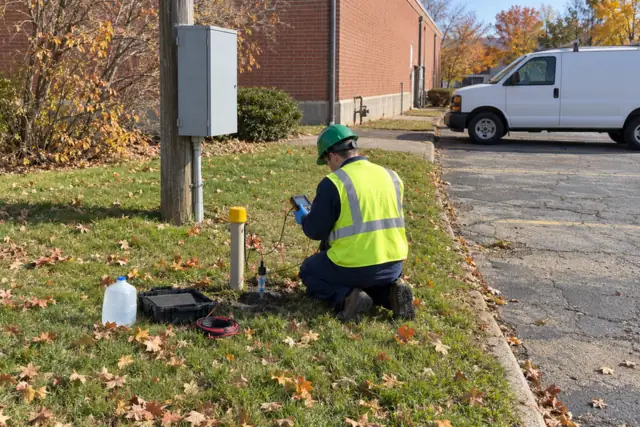
A standard Connecticut compliance inspection starts with a document review of monitoring records, then field checks of leak detection equipment and line tightness testing. Most inspections complete in a single day for a two-tank gas station, with results documented within one to two weeks for DEEP submittal. Before hiring, Connecticut property owners should confirm the contractor's current DEEP registration and HAZWOPER training for any worker entering an excavation. Verify certification from the testing equipment manufacturer for the specific method being used, because outdated forms or unapproved methods get the report kicked back. Get the testing schedule and pricing in writing before the technician arrives onsite.
Tank Inspection & Testing Contractors in Connecticut
Browse contractors, see contact details, and request free quotes.
Browse Connecticut Contractors →Frequently Asked Questions
Does Connecticut require a license to perform UST tank inspection and testing?
Connecticut DEEP does not issue a separate UST inspector license. Contractors must register with the agency and use equipment certified under EPA Standard Test Procedures. Technicians need training on the specific method being used, such as Petro Tite, Tracer Tight, or Veeder-Root TLS systems. Companies performing the work should carry pollution liability insurance because Connecticut does not backstop release cleanup with a state fund. Verify registration status by asking for the DEEP registration number and the equipment manufacturer's training certificate.
How much does tank tightness testing cost in Connecticut?
A single tank tightness test in Connecticut typically runs $500 to $2,000 depending on tank capacity, fuel grade, and access. Fairfield County jobs in Stamford and Greenwich trend toward the upper end because rates run higher than Hartford or New London. A bundled compliance inspection covering tightness, line testing, and cathodic protection survey runs $1,000 to $3,000. Line testing on its own falls between $300 and $800 per dispenser island. Mobilization fees for constrained-access sites add $200 to $500.
How long does a Connecticut UST compliance inspection take?
Field work for a typical two-tank gas station takes four to eight hours on a single day. Larger fuel terminals along the Interstate 95 corridor can stretch into a second day. The contractor compiles test results and monitoring records into a DEEP submittal report within one to two weeks. Failing tightness results trigger immediate release reporting under CGS Section 22a-450, which adds investigation time. Plan for a six-week window from scheduling to a finalized DEEP report.
Does Connecticut have a state cleanup fund for UST releases?
Connecticut does not run an active state cleanup fund the way Pennsylvania operates USTIF. Owners and operators rely on Pollution Legal Liability insurance or self-funded reserves to pay for soil and groundwater investigation. The Connecticut DEEP Remediation Division oversees corrective action under the state's Remediation Standard Regulations. This shifts the calculus on inspection cadence because a missed release detected late costs more in Connecticut than in fund states. Confirm pollution coverage with your insurance broker before scheduling testing.
What does a Connecticut tank tightness test actually measure?
A volumetric tank tightness test fills the tank and monitors product level over several hours to detect losses smaller than 0.1 gallons per hour, the EPA Method 1 standard. Acoustic and tracer methods detect leaks by listening for sound signatures or sampling for chemical tracers in surrounding soil. A clean result paired with old monitoring gaps still leaves historical releases possible because the test only confirms current tightness. Line tightness testing covers product piping between the tank and dispensers, which is where many older Connecticut sites actually fail.
Browse contractors, see contact details, and request free quotes.
Browse Connecticut Contractors →For Connecticut UST regulations, visit the Connecticut DEEP. Federal requirements are available from the EPA UST Program.
