Find contractors in New Mexico for underground storage tank installation, fuel system installation, dispenser installation, and piping upgrades. Serving Albuquerque, Las Cruces, Santa Fe, Rio Rancho, and communities statewide.
What to Know About Tank Installation in New Mexico
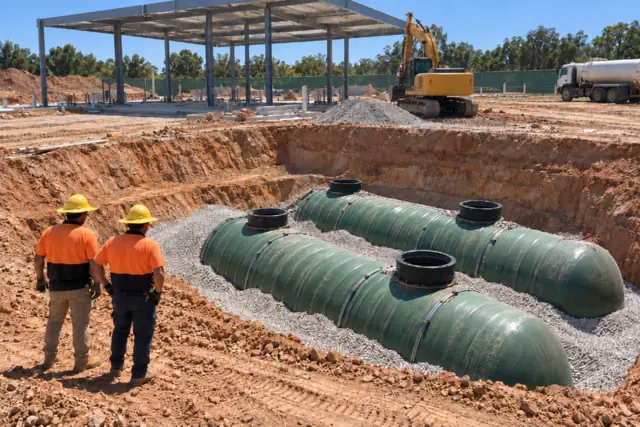
New Mexico treats UST installation as permitted work under its Petroleum Storage Tank Bureau. Permitted single-tank projects cost $50,000 to $140,000. Every new underground storage tank system requires state approval before excavation begins, and the contractor performing the installation must hold active certification through the state program. All new tanks must meet federal EPA technical requirements for secondary containment, spill prevention, and release detection. Facilities storing petroleum products, from gas stations to fleet fueling depots, cannot operate until the installed system passes a tightness test and receives an operating permit. The permitting process in New Mexico also requires coordination with local fire authorities, and installations near tribal land may involve separate federal or tribal review timelines that standard state permits do not cover.
Demand for new tank installations concentrates along the I-25 and I-40 corridors. Albuquerque and Rio Rancho generate the largest volume of commercial fueling projects as population growth drives new convenience store and gas station development. Las Cruces sees steady installation work from cross-border freight traffic and military-adjacent facilities near White Sands. Santa Fe supports a smaller but consistent market tied to tourism infrastructure and municipal fleet fueling. Rural communities along I-40 between Gallup and Tucumcari rely on travel center installations that serve long-haul trucking routes. New Mexico's energy sector, including oil and gas operations in the Permian Basin portion of the state near Hobbs and Carlsbad, also generates fuel storage demand for field operations and equipment yards.
A single underground storage tank installation in New Mexico typically costs $50,000-$140,000 depending on tank capacity, material, and site conditions. Multi-tank gas station build-outs with dispensers, canopy, and monitoring systems run $250,000-$475,000. Rocky soil and caliche deposits common in the Rio Grande valley can require hydraulic breakers during excavation, adding $2,500-$7,000 to site preparation. Monitoring equipment, including automatic tank gauging and line leak detectors, adds to the total depending on the number of tanks, and New Mexico does not operate a reimbursement fund for installation costs. Permitting fees vary by county but generally fall between $1,200 and $3,500 for a complete UST permit package, excluding fuel inventory and brand-specific signage.
The installation timeline starts with site engineering: soil borings, utility mapping, and grading plans submitted to the state and local fire marshal. Permit review in most New Mexico jurisdictions takes three to six weeks, though projects near tribal land or in counties with limited staffing can take longer. Physical construction for a two-tank system typically runs two to four weeks from excavation through dispenser hookup, with post-installation testing adding one to two weeks before fuel deliveries. Before signing with an installer, verify their current certification status through the state petroleum storage tank program and confirm they carry pollution liability insurance. Ask for references from completed New Mexico installations within the past two years, and request a geotechnical boring if your site sits on rocky ground.
Do you need a license to install underground storage tanks in New Mexico?
New Mexico requires contractors to hold certification through the state's Petroleum Storage Tank Bureau before performing any UST installation. This certification covers tank placement, piping, and monitoring system setup. Contractors must also comply with federal EPA technical standards under 40 CFR 280 for all new installations. Using an uncertified installer can result in permit denial and may require you to excavate and reinstall the system at your own cost. Verify certification status directly through the state program before signing any contract.
How much does a new UST installation cost in New Mexico?
A single tank installation typically runs $50,000-$140,000 in New Mexico, depending on tank size, material, and how much site preparation the ground requires. Full gas station build-outs with multiple tanks, dispensers, and canopy structures fall between $250,000 and $475,000. Rocky soils in the Rio Grande corridor can add $2,500-$7,000 for specialized excavation equipment. Monitoring equipment adds $5,000-$15,000 on top of the base installation cost. These estimates do not include fuel inventory or distributor branding requirements, which vary by fuel supplier.
How long does it take to install a UST system in New Mexico?
Plan for three to five months from initial engineering through your first fuel delivery. Permitting alone takes three to six weeks in most New Mexico counties, and projects on or near tribal land may face additional review periods. Physical construction for a standard two-tank system runs two to four weeks once permits are approved. Post-installation tightness testing and the state inspection add one to two weeks before you can operate. The most common delay is permitting, not construction, so submit your applications as early as your project timeline allows.
How does New Mexico's Permian Basin activity affect tank installation demand?
The southeastern corner of New Mexico, particularly around Hobbs, Carlsbad, and Artesia, sits on the Permian Basin and generates significant fuel storage demand from oil and gas field operations. Equipment yards, drilling support facilities, and fleet fueling stations in this region keep installation contractors busy outside the typical convenience store and gas station market. Soil conditions in the Permian Basin area differ from the Rio Grande valley, with sandier ground that is generally easier to excavate. Deeper burial depths may be required due to shifting surface soils. If your project is in this region, look for installers with oilfield fueling experience rather than purely retail gas station backgrounds.
What monitoring equipment is required on new tanks in New Mexico?
Every new UST system in New Mexico must include secondary containment with interstitial monitoring, automatic tank gauging, and spill and overfill prevention devices. Pressurized piping runs require automatic line leak detectors that meet the federal detection standard for pressurized piping under 40 CFR 280.44. The monitoring system must connect to an audible or visual alarm that alerts the facility operator to any detected release. Budget $5,000-$15,000 for monitoring equipment depending on the number of tanks and dispenser lines in your system. Skipping or underspecifying monitoring equipment will fail the state inspection and delay your operating permit, so confirm these requirements with your installer before the project starts.