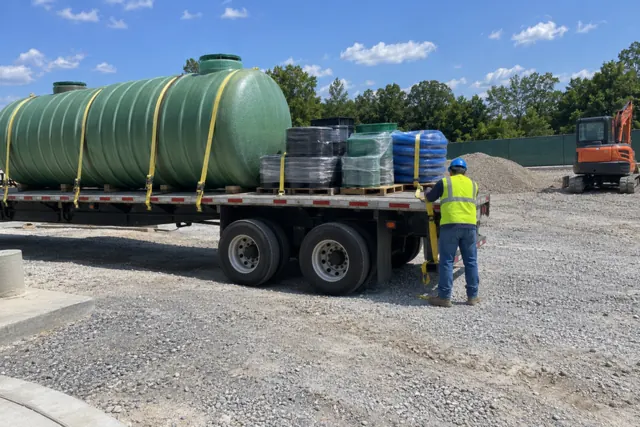
Find contractors in Ohio for underground storage tank installation, fuel system installation, tank replacement, dispenser installation, and piping installation. Serving Columbus, Cleveland, Cincinnati, Toledo, Dayton, and communities statewide.
Tank Installation Requirements in Ohio
Columbus, Cleveland, and Cincinnati anchor Ohio's three largest markets for tank installation, each driven by different factors. Columbus is the fastest-growing metro in the Midwest, with new gas station construction following suburban sprawl along the I-270 outerbelt. Cleveland's demand centers on replacing aging single-wall systems at legacy fuel sites across Cuyahoga and Summit counties. Cincinnati sees steady work from fleet operators and convenience store chains expanding along the I-71 and I-75 corridors, while Toledo, Akron, and Dayton round out the secondary markets. Ohio's position at the convergence of I-70, I-71, and I-75 gives it one of the densest fueling networks east of the Mississippi. Many of those stations are now reaching the age where full tank replacement is the only path forward.
A single underground storage tank installation in Ohio typically costs $50,000 to $150,000, covering the tank, excavation, piping, backfill, and monitoring equipment. Full gas station build-outs with multiple tanks, dispensers, and compliance systems range from $250,000 to $500,000 or more, with monitoring equipment alone adding $5,000 to $15,000. Ohio's clay-heavy soils in the northern half of the state complicate excavation and can add $8,000 to $20,000 for dewatering and engineered backfill. The Petroleum UST Release Compensation Board does not pay for installation, but a properly registered and permitted system is required to qualify for the fund if a release occurs later. Cutting corners on installation documentation to save a few thousand dollars can cost you fund eligibility worth hundreds of thousands.
Ohio runs UST installation permits through local fire departments. The state's tank regulations program certifies installers and sets technical standards, but your local fire marshal reviews site plans and conducts the final field inspection. Every new UST system must include secondary containment, leak detection, overfill prevention, and spill protection before fuel loading is authorized. Contractors performing tank installation must hold current state installer certification. Skipping the local fire department permit, even if you have state approval, can result in a stop-work order that delays your project by weeks.
The full process takes three to six months from initial engineering to fuel delivery. Permitting runs four to eight weeks, and the local fire department review adds time that varies by jurisdiction. Field work for a single-tank project typically takes one to three weeks, followed by tightness testing and compliance verification before the state signs off on fuel loading. Before hiring an installer, confirm their UST worker certification is current and ask whether the quote includes monitoring equipment, compliance testing, and permit filing. Get at least two itemized proposals so you can compare inclusions, since contractors who quote only the tank and excavation leave you coordinating the rest independently.
Do you need a certified installer for UST work in Ohio?
Ohio requires contractors performing underground storage tank installation to hold current installer certification through the state's tank regulations program. The certification covers tank placement, piping, leak detection system setup, and compliance testing. Local fire departments conduct field inspections and will not approve a system installed by an uncertified contractor. Operating a UST system that was installed without proper certification can result in fines and disqualification from the state's petroleum release compensation fund.
How much does a new underground storage tank cost in Ohio?
A single UST installation in Ohio runs $50,000 to $150,000 including the tank, excavation, piping, backfill, and monitoring equipment. Multi-tank gas station projects with dispensers and full compliance systems range from $250,000 to $500,000 or higher. Clay soils in northern Ohio counties often require dewatering and engineered backfill that adds $8,000 to $20,000 to the base cost. Removing an existing tank before installing the replacement adds another $5,000 to $20,000 depending on tank size and whether contamination is present.
How long does it take to install an underground storage tank in Ohio?
Most single-tank installations in Ohio take three to six months from design through fuel delivery. The engineering and permitting phase accounts for four to eight weeks, with local fire department review adding variable time depending on the jurisdiction. Excavation, tank placement, and piping typically require one to three weeks of field work. Compliance testing and final state inspection add two to four weeks before fuel loading is approved. Sites that require removal of an old tank first can push the total timeline to six months or longer.
Does Ohio's petroleum release fund cover installation costs?
The Petroleum UST Release Compensation Board does not reimburse tank installation expenses. The fund exists to cover eligible cleanup costs if a registered UST system releases petroleum into the environment. Your system must be properly installed, permitted, and registered with the state to qualify for fund coverage if a release happens later. Tank owners who skip steps during installation risk losing eligibility for the fund. Failing to register the system or install required leak detection can disqualify you from a program that reimburses hundreds of thousands of dollars in cleanup costs.
Why does the local fire department inspect UST installations in Ohio?
Ohio delegates day-to-day UST oversight to local fire departments under a state-approved delegation program. Your local fire marshal reviews site plans, issues installation permits, and conducts the field inspection to verify the system meets code before fuel loading. This means permit timelines and inspection scheduling vary by county. Rural jurisdictions with part-time fire marshals may take longer to schedule inspections than urban departments in Columbus or Cleveland. Contact your local fire department early in the project planning phase so you know the inspection timeline before construction begins.
For Ohio UST regulations, visit the Ohio BUSTR. Federal requirements are available from the EPA UST Program.