
Environmental Remediation Contractors in Ohio
Find Ohio contractors for environmental remediation, soil cleanup, groundwater treatment, and BUSTR site closure. Serving Cleveland, Columbus, Cincinnati, Toledo, and Dayton.
What to Know About UST Remediation in Ohio
Ohio environmental remediation contractors must work under BUSTR oversight before any UST cleanup begins. The Bureau of Underground Storage Tank Regulations sits under the State Fire Marshal's office and certifies the firms allowed to lead corrective action on petroleum release sites. BUSTR delegates field inspection and notification authority to certified local fire departments across many Ohio jurisdictions, speeding permit turnaround on tank pulls in Greater Cleveland and Greater Cincinnati. A certified Class A or Class B remediation contractor must direct active site work under OAC 1301:7-9. A structured Phase I ESA usually precedes any subsurface investigation so the buyer, lender, or seller knows what they are walking into.
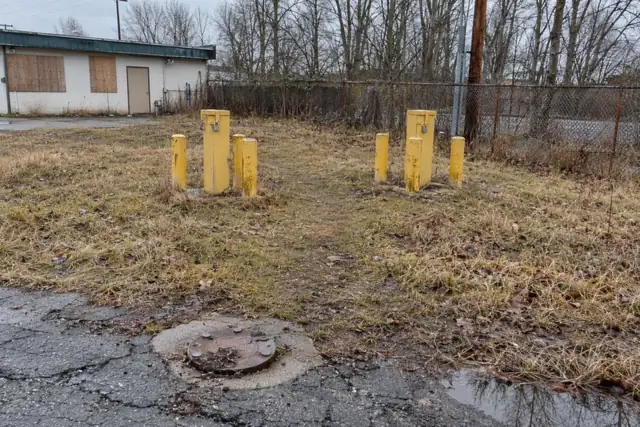
Ohio's remediation market splits across three metros and a long industrial belt running from Toledo through Akron to Youngstown. Cleveland carries the heaviest legacy load from former gas stations and rail-served fuel yards along the Cuyahoga River. Columbus generates steady volume from convenience-chain redevelopment in Franklin and Delaware Counties, while Cincinnati's Mill Creek corridor produces regular tank pulls tied to commercial property sales. Toledo's port-side refining history still surfaces benzene plumes during closures, and the Dayton manufacturing crescent feeds steady industrial-site cleanup work. The Ohio State Fire Marshal administers BUSTR and houses the Petroleum UST Release Compensation Board, which reimburses much of the corrective action cost for eligible operators.
UST remediation costs in Ohio typically land between $15,000 and $75,000 for a moderately contaminated parcel. Soil-only cleanups can start near $10,000, while complex groundwater plumes push past $200,000 at refinery-adjacent sites in Toledo or Lorain. Excavation and offsite disposal alone add $5,000 to $40,000 depending on soil volume and landfill tipping fees. Groundwater treatment, monitoring wells, and quarterly sampling layer in another $1,500 to $8,000 per round, with eligible PUSTRCB participants recovering a substantial share after the ORC 3737.90 tier-based deductible. See how site cleanup works for method selection by site type.
The typical Ohio remediation sequence starts with site characterization, moves through a BUSTR-approved corrective action plan tracking 40 CFR 280, the federal UST framework authorized under RCRA, and ends with confirmation sampling submitted for no-further-action review. Characterization and the plan stage usually run two to four months in Cuyahoga and Franklin Counties. Plan review and the final NFA letter from BUSTR commonly take another six to twelve months once clean sampling is in. Confirm BUSTR Class A or Class B certification before signing, and verify that on-site crews carry current HAZWOPER training credentials for petroleum-contaminated soil work. Before paying a deposit, request the contractor's last three BUSTR-issued NFA letters, ask which landfill they use for impacted soil, and confirm in writing who files PUSTRCB reimbursement paperwork.
remediation Contractors in Ohio
Browse contractors, see contact details, and request free quotes.
Browse Ohio Contractors →Frequently Asked Questions
Does Ohio require contractors to be certified for UST remediation work?
Yes, contractor certification is required. BUSTR requires that active corrective action be directed by a contractor holding Class A or Class B certification, awarded after a written exam and verified field experience. Class A covers full remedy implementation; Class B covers limited site investigation. Lapsed certification blocks the contractor from billing the PUSTRCB fund for work performed during the lapse. Ask for the certification number and verify it through BUSTR before signing.
How much does UST remediation cost in Ohio?
Most Ohio sites land between $15,000 and $75,000 for moderate contamination requiring soil excavation and offsite disposal. Closure with clean sampling can come in under $10,000, while groundwater plumes near Toledo or Lorain refining sites can exceed $200,000. Landfill tipping fees, monitoring wells, and quarterly groundwater sampling drive most of the spread. Eligible PUSTRCB participants receive substantial reimbursement once the program deductible is satisfied.
How long does the BUSTR no-further-action process take in Ohio?
Plan on four to twelve months from final sampling to receiving an NFA letter, depending on case complexity and BUSTR review backlog. Field work usually finishes in two to six weeks at smaller sites, with the calendar mostly tied up in lab turnaround and plan review. Groundwater plumes can stay open for two to four years of quarterly sampling before closure becomes possible. Soil-only cases close considerably faster than groundwater-impacted ones.
Does PUSTRCB cover the full cost of cleanup at an Ohio gas station release?
Not in full. The Ohio Petroleum UST Release Compensation Board reimburses eligible corrective action costs up to a per-incident cap after the tank owner pays a tier-based deductible. Only operators current on registration fees qualify for that reimbursement. Eligible costs exclude voluntary upgrades and any work performed before BUSTR receives the release notification. Payment usually arrives months after invoice submission, so operators should plan cash flow accordingly.
What does an Ohio remediation project actually involve from start to finish?
The contractor begins with a release confirmation report and submits it to BUSTR with initial soil and groundwater data. A corrective action plan follows and must be approved before excavation or treatment begins. Field work then proceeds under the certified Class A or Class B contractor, with confirmation samples taken from pit sidewalls, base, and any monitoring wells. The closure report and lab data go to BUSTR for the no-further-action determination.
Browse contractors, see contact details, and request free quotes.
Browse Ohio Contractors →For Ohio UST regulations, visit the Ohio BUSTR. Federal requirements are available from the EPA UST Program.
