
Site Assessment Contractors in Virginia

Find contractors in Virginia for Phase I ESA, Phase II environmental testing, soil sampling, groundwater testing, and contamination assessment. Serving Richmond, Virginia Beach, Norfolk, Arlington, and communities statewide.

Browse Virginia Contractors →

What to Know About Site Assessment in Virginia

Virginia site assessment work routes through DEQ for any UST release event. The Virginia DEQ UST Program enforces 9 VAC 25-580, the Commonwealth's underground storage tank technical standards, and oversees corrective action whenever a release surfaces during an environmental evaluation. Commercial real estate transactions across Northern Virginia and Hampton Roads typically require a Phase I ESA conforming to ASTM E1527-21 before financing closes, with Phase II soil testing triggered when records show prior fueling, dry-cleaning, or industrial use. Buyers acquiring properties under the Innocent Landowner or Bona Fide Prospective Purchaser defenses must complete the Phase I before taking title. DEQ does not license consultants performing property assessment work, but contractors managing UST closures or release responses must register with the Tanks Program.
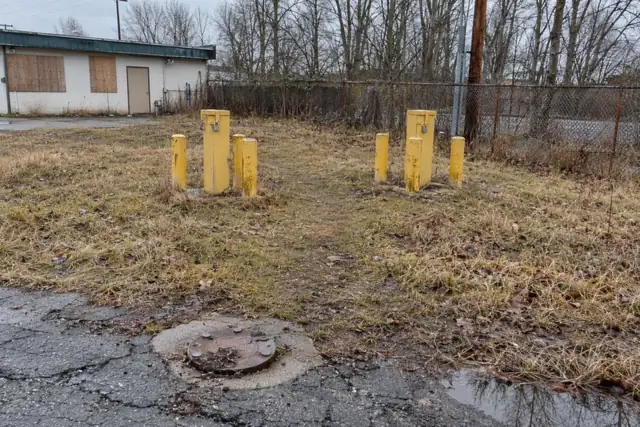
Demand concentrates in three Virginia metros with very different drivers. Hampton Roads sees heavy Phase II groundwater testing tied to former gas stations, naval support facilities around Norfolk and Chesapeake, and Port of Virginia industrial parcels where high water tables compress sampling timelines. Northern Virginia transactions in Arlington, Alexandria, and Tysons rarely involve heating oil but routinely uncover dry-cleaner solvent plumes and legacy automotive USTs on commercial corridors slated for redevelopment. Richmond and the surrounding Tri-Cities corridor toward Petersburg generate Phase I ESAs for tobacco-warehouse conversions and former filling stations along Broad Street and Hull Street. Roanoke and the Shenandoah Valley pull in agricultural fueling assessments, while coastal Tidewater parcels routinely require shallow groundwater sampling because seasonal water tables sit within 4 feet of grade.

Phase I ESA pricing in Virginia typically runs $1,800 to $3,800 for a standard commercial parcel, with Northern Virginia data-center sites and Hampton Roads waterfront properties trending toward the high end because of access constraints and historical-use complexity. Phase II investigations including soil borings, groundwater monitoring wells, and laboratory analysis usually fall between $4,000 and $12,000, climbing past $20,000 when contamination assessment work expands to multiple boring locations or when methane or vapor intrusion screening is added. The Virginia Petroleum Storage Tank Fund (VPSTF), administered by DEQ, reimburses eligible release-related corrective action costs after a $5,000 deductible for most operators, which can offset Phase II testing tied to a confirmed UST release. Soil sampling itself prices at roughly $500 to $1,800 per location depending on depth, lab turnaround, and required analyte panel.

The typical Virginia process starts with a Phase I records review, site visit, and historical-use evaluation, usually completed in two to four weeks. When recognized environmental conditions surface, Phase II soil testing and groundwater sampling follow within three to six weeks, with lab analysis adding another two weeks. Field crews drilling borings or collecting samples on suspected release sites should hold current 40-hour HAZWOPER training and provide proof of OSHA compliance before mobilizing. Before signing a contract, ask the consultant whether their Phase I conforms to ASTM E1527-21, request a current professional liability certificate, and confirm prior experience with VPSTF reimbursement filings. Property owners should request a written cost-not-to-exceed estimate that itemizes Phase I, Phase II, and state-fund paperwork separately.

Site Assessment Contractors in Virginia

Browse contractors, see contact details, and request free quotes.

Browse Virginia Contractors →

Frequently Asked Questions

How much does a Phase I ESA cost in Virginia?

Phase I ESA pricing in Virginia typically lands between $1,800 and $3,800 for a standard commercial parcel. Larger industrial sites in Hampton Roads or Northern Virginia data-center corridors often run $3,500 to $5,500 because of expanded historical research and tighter transaction timelines. Add roughly $4,000 to $12,000 if Phase II soil testing follows. The lender, the deal complexity, and the consultant's research load drive most of the price spread.

How long does the assessment process take in Virginia?

A standard Phase I ESA in Virginia takes two to four weeks from contract signing to final report delivery. Properties in older Richmond and Norfolk industrial districts can stretch closer to five weeks because Sanborn maps and city directory research take longer. If a Phase II is needed, plan for an additional six to ten weeks including drilling, lab analysis, and report writing. Lender review of the report adds another five to ten business days before closing.

Does Virginia have a fund that helps cover testing costs?

Yes. The Virginia Petroleum Storage Tank Fund administered by DEQ reimburses eligible corrective action costs once a $5,000 deductible is met, which can include certain Phase II soil and groundwater testing tied to a confirmed UST release. Reimbursement applies only to release-related work, not to standard pre-purchase due diligence on properties without a known release. Operators must be in compliance with 9 VAC 25-580 to qualify. Reimbursement claims typically pay out 6 to 18 months after submission.

What happens during a Phase II environmental investigation?

Phase II work begins with a sampling plan based on the recognized environmental conditions flagged in the Phase I report. Crews drill soil borings at suspected source areas, install temporary or permanent groundwater monitoring wells, and collect samples for laboratory analysis. In coastal Tidewater locations, shallow water tables often dictate well depths within the upper 6 to 10 feet, while Piedmont sites with bedrock close to surface may require core drilling. The lab tests for petroleum hydrocarbons, BTEX, and other compounds tied to the property's historical use, with results typically returned within 10 to 21 business days.

Are environmental consultants licensed in Virginia?

Virginia does not issue a specific state license for environmental consultants performing Phase I or Phase II assessments. The Phase I ESA must conform to ASTM E1527-21 to qualify a buyer for the Innocent Landowner or Bona Fide Prospective Purchaser defenses under CERCLA. Consultants drafting reports should meet the ASTM definition of an Environmental Professional, which usually means a licensed PE or PG, or a degree plus relevant experience. Field staff sampling at suspected release sites must hold current 40-hour HAZWOPER certification.

Looking for a contractor in Virginia?

Browse contractors, see contact details, and request free quotes.

Browse Virginia Contractors →

For Virginia UST regulations, visit the Virginia DEQ UST Program. Federal requirements are available from the EPA UST Program.

Related Services in Virginia

Find Virginia ContractorsRequest a Free Quote
Free Quotes