Find contractors in Oregon for underground storage tank installation, fuel system installation, dispenser installation, and piping installation. Serving Portland, Eugene, Salem, Bend, Medford, and communities statewide.
What to Know About Tank Installation in Oregon
Oregon requires a DEQ company license and a DEQ individual supervisor license for UST installation work. Fully credentialed single-tank projects run $55,000 to $150,000. The state environmental agency runs a dedicated UST program that oversees permitting and compliance, requiring the installation supervisor to pass a written examination for an individual license while the installing company holds a separate license. Portland requires an additional fire marshal permit for any new fuel storage installation within city limits. This dual-licensing structure, company plus individual plus exam, makes Oregon one of the more tightly regulated states for tank installation on the West Coast. Any facility storing petroleum or hazardous substances underground falls under these requirements, from gas stations to fleet fueling depots.
Portland and the surrounding metro area generate the majority of Oregon's tank installation demand. Gas station upgrades, convenience store chains expanding along I-5, and fleet operators in the industrial districts of northwest Portland drive a steady pipeline of projects. Eugene and Salem see installation work tied to regional fuel distribution and state government fleet operations, while Bend's rapid population growth has pushed new fueling infrastructure into what was rural territory a decade ago. Southern Oregon, particularly Medford and Grants Pass along I-5, supports installations for truck stops and agricultural fueling operations. The Willamette Valley corridor between Portland and Eugene accounts for roughly 70 percent of the state's commercial fueling installations, leaving rural eastern Oregon with fewer contractors and longer lead times.
A single UST installation in Oregon typically costs $55,000 to $150,000, covering the tank, excavation, piping, dispensers, and monitoring equipment. Full gas station build-outs with multiple tanks and fuel grades run $250,000 to $500,000 depending on site complexity and dispenser count. Oregon's prevailing wage requirements on certain public projects can push labor costs 15 to 25 percent above private-sector rates. Sites in the Portland metro with high water tables require dewatering during excavation, adding $8,000 to $20,000, while monitoring system installation runs $5,000 to $15,000 per site. Oregon does not operate a state reimbursement fund for new installations, so facility owners bear the full project cost.
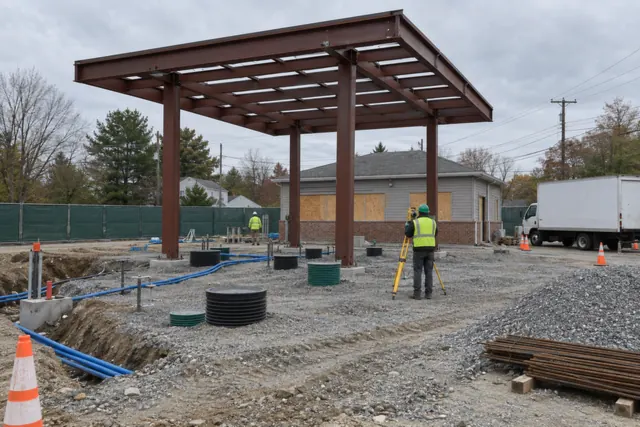
The installation process begins with a permit application to the state program, which typically takes three to six weeks for review. Excavation and tank placement run five to ten days for a single-tank site, followed by two to four weeks for piping, dispenser hookup, monitoring installation, and post-installation tightness testing. Oregon's rainy season from October through April complicates excavation scheduling, because saturated soil conditions increase shoring requirements and can delay site work by weeks. Final inspection and operating permit approval add another two to four weeks, putting most projects at three to five months total. Before signing a contract, confirm the company holds a DEQ UST service provider license and its site supervisor holds a DEQ installation supervisor license. Also confirm it carries pollution liability insurance and has completed installations in Oregon within the past two years.
What credentials do contractors need to install USTs in Oregon?
Oregon requires a DEQ company license and a DEQ individual supervisor license for underground storage tank installation. The supervisor license requires passing a written exam. Contractors must also carry general liability and pollution liability insurance meeting state minimums. Portland adds a separate fire marshal permit requirement for fuel storage installations within city limits. Hiring a contractor without UST-specific licenses can result in failed inspections, so always ask to see both the company license and the supervisor's individual license before work begins.
How much does it cost to install an underground storage tank in Oregon?
A single UST installation in Oregon typically runs $55,000 to $150,000 including the tank, excavation, piping, dispensers, and monitoring equipment. Multi-tank gas station build-outs range from $250,000 to $500,000 depending on fuel grades and site conditions. High water table sites in the Portland area or Willamette Valley may need dewatering, adding $8,000 to $20,000. Monitoring systems cost $5,000 to $15,000 per site on top of the base installation price. These estimates do not include environmental consulting fees or permit application costs, which typically add $5,000 to $12,000 to the total project budget.
How long does a tank installation project take in Oregon?
Most single-tank installations in Oregon take three to five months from permit application to fueling operations. The state permit review period runs three to six weeks depending on caseload and site complexity. Physical excavation and tank placement take five to ten days, with piping and dispenser installation adding two to four weeks. Post-installation testing and final state inspection add two to four more weeks. Projects scheduled during Oregon's rainy season, roughly October through April, often face delays from saturated soil that complicates excavation and backfill work.
Does Oregon's rainy climate affect underground tank installation?
Oregon receives significant rainfall from October through April, and this directly impacts excavation scheduling and costs. Saturated soil requires additional shoring and dewatering equipment that dry-season projects avoid entirely. Contractors working in the Willamette Valley or coastal areas during winter months may need to pump water continuously during tank placement, adding $8,000 to $20,000 to the project. Some contractors avoid scheduling new installations between November and February altogether, which compresses the booking window for the drier months. Planning installations for May through September gives you the best pricing and the fewest weather delays, though permitting can start any time of year.
What happens during a UST installation inspection in Oregon?
The state inspector verifies that the tank, piping, and containment systems match the approved permit plans. They check that secondary containment is properly installed on all piping runs and that interstitial monitoring sensors are functional. Tank tightness testing and line leak detection must be completed and documented before the inspector signs off. The inspector also confirms that cathodic protection is in place for any steel components and that spill and overfill prevention equipment meets current federal standards. If the inspection reveals deficiencies, the contractor must correct them before receiving an operating permit, so schedule the inspection promptly after completion to avoid summer construction season backlogs.