
Tank Installation Contractors in Kansas
Find contractors in Kansas for underground storage tank installation, fuel system installation, tank replacement, dispenser installation, piping installation, and monitoring equipment setup. Serving Wichita, Kansas City, Topeka, Overland Park, Lawrence, Salina, and communities statewide.
What to Know About Tank Installation in Kansas
Kansas holds tank installation contractors to a strict safety training. The state's environmental regulatory program requires valid credentials for anyone setting underground storage tanks, connecting product piping, or commissioning leak detection systems. This applies equally to new construction and tank replacement projects at existing facilities.
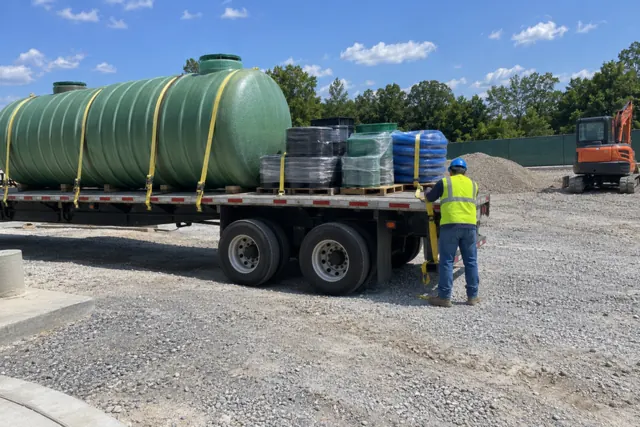
Kansas sits atop the High Plains Aquifer, which supplies drinking water to a large portion of the state, so the permitting process reflects that vulnerability. Facility owners must register new tanks with the state within 30 days of installation and pass a post-installation inspection before accepting fuel deliveries. Every new system must include secondary containment, meaning double-wall tanks and piping are the baseline, not an upgrade. Cutting corners on containment in Kansas is a fast way to lose your operating permit.
Most underground storage tank installation work in Kansas follows the I-70 corridor between Kansas City and the Colorado border, where truck stops, fuel distributors, and convenience store chains serve heavy cross-country freight traffic. Wichita generates the largest volume of commercial tank replacement projects, driven by its aviation manufacturing base and surrounding fleet operations. Topeka and the Kansas City metro see steady demand from retail fuel station upgrades and new construction along suburban growth corridors.
Western Kansas tells a different story. Towns like Dodge City, Garden City, and Liberal depend on bulk agricultural fueling infrastructure that supports grain transport, cattle operations, and farm equipment. Cooperative fuel depots across the western half of the state replace aging single-wall systems on a rolling cycle, creating consistent installation demand even in smaller markets. Salina, sitting at the junction of I-70 and I-135, serves as a hub for regional fueling projects.
A single underground storage tank installation in Kansas typically costs $50,000 to $150,000, with the final number shaped by tank capacity, material choice, and site accessibility. Full gas station buildouts involving multiple tanks, dispensers, canopy foundations, and electronic monitoring systems push total project costs to $250,000 to $500,000 or higher. Monitoring and leak detection equipment alone adds $5,000 to $15,000 regardless of how many tanks go in the ground.
Soil conditions across Kansas range from stable limestone beds in the east to looser sandy soils in the west, and that difference directly affects excavation labor and bedding material costs. Kansas operates a state cleanup fund with a flat $3,000 deductible, one of the lowest in the country. That fund does not cover installation expenses, but it may reimburse eligible cleanup costs if a petroleum release is discovered during tank replacement at a site with older UST history. Filing deadlines run from the discovery date, not from when you submit the paperwork, so delays can disqualify a claim entirely.
Expect the installation timeline to start with four to eight weeks of permitting and site engineering before any excavation begins. The physical work, including tank pit excavation, bedding preparation, tank setting, piping connections, and backfill, typically takes two to four weeks for a single-tank project. Dispenser installation, electrical hookups, and monitoring system commissioning add another one to three weeks after that.
Multi-tank buildouts at new fuel stations often stretch the total timeline to four to six months from permit application to first fuel delivery. State inspectors must visit the site before backfill to verify containment integrity and proper tank orientation, so building inspector availability into your schedule prevents costly delays. Before signing a contract, confirm that the bid covers tank registration fees, initial tightness testing on tanks and lines, monitoring system setup, and state notification paperwork. Getting those items in writing protects you from change orders that push your opening date back by weeks.
Tank Installation Contractors in Kansas
Browse contractors, see contact details, and request free quotes.
Browse Kansas Contractors →Frequently Asked Questions
Do Kansas contractors need a specific certification to install underground storage tanks?
Yes. Kansas requires contractors performing UST installation to hold a valid certification issued through the state's petroleum storage tank regulatory program. This certification is specific to installation work, and separate credentials cover removal, testing, and remediation activities. Hiring an uncertified installer puts the facility owner at risk of permit denial and fines during the first compliance inspection. Verify certification status directly with the state before signing any contract, because lapsed or expired credentials are more common than most facility owners expect.
How much does it cost to install a new underground storage tank in Kansas?
A single UST installation in Kansas typically runs $50,000 to $150,000 depending on tank size, material, and site conditions. Multi-tank gas station projects with dispensers, piping, and monitoring equipment range from $250,000 to $500,000 or more. Excavation costs vary across the state because eastern Kansas has heavier clay and limestone soils while western Kansas has sandier ground that is easier to dig but requires more bedding material. Monitoring systems add $5,000 to $15,000 on top of the base installation price. Always confirm whether the quoted price includes permitting fees, tightness testing, and state registration before comparing bids.
How long does a UST installation project take from start to finish in Kansas?
Plan for three to six months from initial permit application to operational fueling for a single-tank project. The permitting and engineering phase alone takes four to eight weeks before excavation can begin. On-site physical work, including excavation, tank setting, piping, and backfill, runs two to four weeks under normal conditions. Multi-tank buildouts at new gas stations can extend the total timeline to six months or longer. Winter projects between December and February risk frozen ground delays that add both time and cost to the excavation phase, so spring and fall scheduling is worth the wait if your timeline allows it.
Does the Kansas cleanup fund help if contamination is found during a tank replacement project?
The Kansas state cleanup fund carries a flat $3,000 deductible, which is among the lowest in the country. If contamination from an old tank is discovered while excavating for a replacement system, the fund may reimburse eligible investigation and remediation costs above that threshold. The fund does not pay for installation work itself. Eligibility requires timely reporting of the release to the state, and the filing deadline runs from the date of discovery, not from when cleanup starts. Facility owners replacing aging single-wall tanks should factor this fund into their planning because unexpected contamination at older fueling sites is common, not unusual.
What monitoring equipment is required on new UST installations in Kansas?
All new UST systems in Kansas must include automatic tank gauging, interstitial monitoring for double-wall tanks, and line leak detectors on pressurized piping. These requirements follow the 2015 federal UST rule updates that tightened release detection standards nationwide. Electronic monitoring panels must be capable of generating automatic alerts when sensors detect a potential release. Budget $5,000 to $15,000 for the monitoring package depending on system size. The exception is very small private-use systems with low throughput, which may qualify for simplified monthly monitoring methods, though most commercial installations need the full electronic setup.
Browse contractors, see contact details, and request free quotes.
Browse Kansas Contractors →For Kansas UST regulations, visit the Kansas Department of Health and Environment. Federal requirements are available from the EPA UST Program.
