Find contractors in Nevada for underground storage tank installation, fuel system installation, dispenser installation, and piping upgrades. Serving Las Vegas, Reno, Henderson, North Las Vegas, Sparks, Carson City, and communities statewide.
Nevada Tank Installation Costs and Requirements
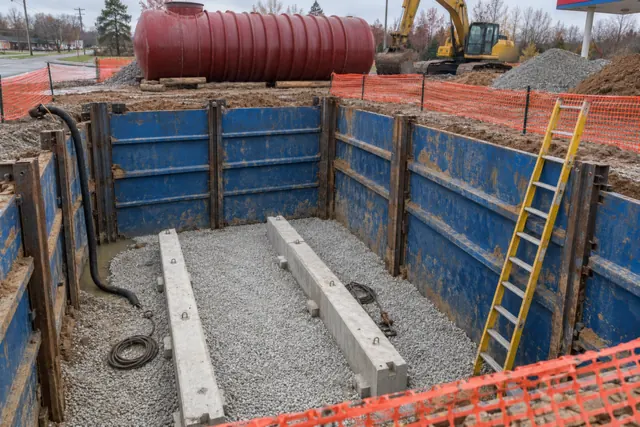
Nevada's desert hardpan makes tank installation more expensive than most western states. A single UST runs $50,000-$145,000 depending on capacity, material selection, and site conditions. Full multi-tank gas station build-outs with dispensers, canopy foundations, and monitoring systems range from $250,000 to $475,000. Desert hardpan and caliche layers present at many Las Vegas valley sites can add $2,500-$7,000 to excavation costs when hydraulic breaking equipment is needed. Nevada does operate a state cleanup fund, but it covers contamination remediation, not installation costs, and the operator pays a percentage share of cleanup costs, with only a small business's total share capped at $50,000. Permitting fees vary by county but typically total $1,200-$3,500 for a complete UST installation package.
Las Vegas and the surrounding Clark County corridor account for the majority of new UST installations in Nevada, driven by gas station construction along expanding commercial corridors and resort development. Reno and Sparks generate consistent demand from truck stops serving I-80 freight traffic and regional fuel distribution operations. Henderson and North Las Vegas see installations tied to warehouse district growth and fleet fueling for logistics companies. Along I-80 between Reno and Elko, travel centers and tribal enterprise fueling stations represent a smaller but steady segment. Mining operations in rural counties like Humboldt and Lander occasionally require bulk fuel storage systems, though these projects are infrequent and logistically complex due to remote site access.
NDEP itself requires no permit to install a UST, but in Clark and Washoe Counties the county health district must approve the work under contract with NDEP and may require permits. Every new system must meet federal EPA technical requirements along with state-specific secondary containment and monitoring standards. Nevada requires Certified Underground Tank Handler credentials for anyone performing underground storage tank installation, covering tank placement, piping connections, and monitoring equipment setup. For a federally regulated tank, an NDEP Certified Tank Handler must supervise the work, and EPA Form 7530-1 must be filed so NDEP is notified. Facilities that skip the certification check risk permit denial and potential enforcement action, which can stall a project for months.
The process starts with a geotechnical survey and site engineering plan that includes soil borings, utility mapping, and a grading design. Expect permitting to take three to six weeks in Clark County and two to four weeks in most northern Nevada jurisdictions. Physical construction for a standard two-tank system runs two to three weeks from excavation through backfill and dispenser hookup. Post-installation tightness testing and a state inspection must be completed before the system receives an operating permit, which adds another one to two weeks. Before hiring an installer, verify their Certified Underground Tank Handler status is current, confirm they carry pollution liability insurance, and ask specifically about their experience with Nevada's desert soil conditions.
Do you need a special license to install USTs in Nevada?
Nevada requires contractors to hold Certified Underground Tank Handler credentials issued through the state environmental agency before performing any UST installation work. This certification covers tank placement, piping, and monitoring system installation. Federal EPA standards under 40 CFR 280, which Nevada adopts by reference, also apply to new regulated systems, though tanks of one hundred ten gallons or less and heating oil tanks used on the premises are excluded. An installer without current certification cannot pull permits, and any work performed without a valid permit may need to be re-excavated at the owner's expense. Verify certification status directly with the state before signing any contract.
How much does a new underground storage tank cost in Nevada?
A single tank installation in Nevada typically costs $50,000-$145,000 depending on tank size, material, and how much site preparation the ground requires. A complete multi-tank gas station build-out with dispensers and monitoring runs $250,000-$475,000. Desert hardpan common in the Las Vegas valley can increase excavation costs by $2,500-$7,000 compared to sites with loose sandy soil. These numbers do not include fuel inventory, branded signage, or canopy construction, which fuel distributors often require as part of dealer agreements.
How long does it take to install a UST system in Nevada?
Total project timeline from initial engineering through operating permit typically spans three to five months. Permitting accounts for the largest variable, running three to six weeks in Clark County and two to four weeks in Washoe County and rural jurisdictions. Physical construction for a two-tank system takes two to three weeks. Post-installation testing and state inspection add one to two weeks before fuel delivery can begin. The most common cause of delays is incomplete permit applications, so work with your contractor to submit a thorough package the first time.
Does Nevada's desert climate affect tank installation?
Desert conditions create both advantages and challenges for UST installation in Nevada. Low rainfall and deep water tables reduce the risk of groundwater interference during excavation, which simplifies compliance testing compared to states with high water tables. Extreme summer heat in southern Nevada, where ground surface temperatures can exceed 150 degrees Fahrenheit, affects concrete curing times for dispenser pads and containment sumps. Caliche and compacted desert hardpan at certain Las Vegas valley sites require specialized breaking equipment that adds to excavation costs. Contractors experienced in Nevada conditions typically schedule major pours and backfill work for early morning hours during summer months to manage heat-related complications.
What monitoring equipment is required on new UST systems in Nevada?
All new underground storage tank systems in Nevada must include secondary containment with interstitial monitoring, automatic tank gauging, and spill and overfill prevention equipment. Pressurized piping runs require automatic line leak detectors that can detect a leak of three gallons per hour at ten pounds per square inch line pressure within one hour. Budget $5,000-$15,000 for monitoring equipment depending on the number of tanks and dispenser lines. Short-term fueling systems at construction or mining sites may qualify for reduced monitoring under temporary closure provisions. Confirm your specific monitoring requirements with the state before finalizing equipment specifications.