
Environmental Remediation Contractors in Nevada

Nevada soil and groundwater cleanup contractors serving Las Vegas, Reno, Henderson, and Carson City. NDEP case closure, tank pit excavation, plume treatment, and corrective action plans.

Browse Nevada Contractors →

What to Know About UST Remediation in Nevada

Nevada UST remediation projects move through NDEP review under tight cleanup deadlines. After a confirmed release at an underground storage tank site, owners must notify the Nevada Division of Environmental Protection within 24 hours and follow 40 CFR Part 280 corrective action procedures. Most projects begin with a focused environmental evaluation using ASTM E1527 protocols to define the contamination footprint before excavation or treatment begins. NDEP requires soil and groundwater sampling under NAC 459 to confirm whether constituent levels exceed action limits, and the agency will not approve a corrective action plan without that baseline. Skipping the data collection step usually adds months to the timeline because reviewers send projects back for additional sampling and a revised plan.
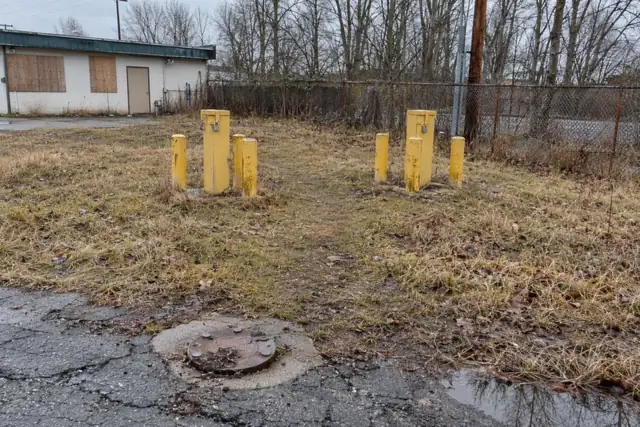
Cleanup approaches vary widely across Nevada because hydrogeology shifts dramatically between regions. Sites in Las Vegas and Henderson sit on alluvial fans where shallow groundwater under the valley floor complicates excavation work. Reno and Sparks projects often deal with fractured bedrock and steeper gradients that affect plume migration. In rural communities like Elko, Carson City, and Pahrump, deeper water tables sometimes allow soil-only remediation when contamination has not reached groundwater. Treatment selection across soil vapor extraction, dual-phase extraction, and in-situ chemical oxidation depends on plume geometry and depth to groundwater (see methods detail for selection criteria). Contractors must match the technology to the site, whether that means soil vapor extraction in dry zones or pump and treat systems where benzene or MTBE has migrated off the property. Sampling frequency also shifts with conditions, and active plumes typically require quarterly monitoring for two to three years after treatment ends.

Remediation costs in Nevada range from about $25,000 for a small soil excavation at a former service station to over $750,000 for groundwater plumes that extend beyond the property line. A typical UST closure with limited soil contamination falls between $40,000 and $120,000, including assessment, excavation, transport, disposal, and confirmation sampling. Groundwater cleanup adds substantial expense, and dual phase extraction systems often run $80,000 to $250,000 to install plus ongoing operations and monitoring fees. See remediation phases and treatment options for how investigation, treatment, and monitoring stages map to typical UST cleanup costs. The Nevada Petroleum Fund reimburses eligible owners for a portion of corrective action costs above a deductible, so contractors familiar with the fund claim process help recover dollars that would otherwise come out of pocket. Always request itemized bids that separate mobilization, equipment, lab fees, and disposal so you can compare proposals on equal terms.

Nevada property owners stay liable for site conditions until NDEP grants formal case closure, so contractor selection deserves real scrutiny. Verify that field crews carry current 40-hour hazardous materials training before anyone opens a tank pit or handles contaminated soil. Ask whether the project manager has signed off on at least five Nevada closures in the past three years, since case-specific experience with NDEP reviewers shortens approval timelines significantly. Confirm that the contractor carries pollution liability insurance with limits high enough to cover potential third-party impacts in your area, and request a current certificate from the carrier. Call three Nevada references the contractor provides, ask about cost overruns and schedule slippage, then sign only after written cost caps, a clear schedule, and documented sampling protocols are in the contract.

remediation Contractors in Nevada

Browse contractors, see contact details, and request free quotes.

Browse Nevada Contractors →

Frequently Asked Questions

How long does UST remediation take in Nevada?

Timelines depend on contamination type and site complexity. A simple soil excavation at a former service station can finish in two to four weeks once the tank is removed and the pit is backfilled. Groundwater plumes typically require six months to several years of active treatment plus a monitoring period before NDEP issues case closure. Sites in the Las Vegas Valley with shallow water tables generally take longer than rural arid locations where soil-only cleanup is feasible. Schedule milestones should be written into your contract so delays trigger a renegotiation rather than open-ended billing.

Do I qualify for the Nevada Petroleum Fund?

The Nevada Petroleum Fund reimburses tank owners for eligible corrective action expenses above a per-incident deductible. To qualify, the tank must have been in compliance with registration and annual fee payments at the time of the release, and the owner must report the release through proper NDEP channels. Contractors familiar with the fund prepare claims that clearly separate eligible from ineligible costs, which speeds reimbursement. Common ineligible items include third-party damages, business interruption, and upgrades beyond the leak repair itself. Apply early and document every expense with receipts, lab reports, and field notes.

What contaminants show up most often at Nevada UST sites?

Petroleum hydrocarbons dominate UST releases, including benzene, toluene, ethylbenzene, and the xylenes commonly grouped as BTEX. MTBE was widely used as a gasoline additive and still shows up at older sites, traveling farther in groundwater than other compounds. Diesel releases often produce naphthalene and longer-chain hydrocarbons that resist bioremediation. Used-oil tanks can release polycyclic aromatic hydrocarbons and trace metals such as lead from legacy formulations. Sampling plans should test for the full BTEX suite plus oxygenates whenever a gasoline tank is involved.

Can I sell the property while remediation is active?

Yes, but the open NDEP case will appear in environmental records and shrink the pool of qualified buyers. Lenders frequently require either case closure or an environmental insurance policy before approving financing on the parcel. Some sellers record an environmental covenant that restricts future use in exchange for closure with residual contamination left in place. Buyers usually order a fresh Phase II investigation to confirm the current cleanup status before signing. Disclosing the open case early in negotiations protects you from later breach of contract claims.

Who pays for remediation at a leased gas station property?

Liability typically falls on whoever owned and operated the tank at the time of release, but lease agreements often shift responsibility between landlord and tenant. Nevada follows a strict liability standard under NRS 459, meaning the operator can be held responsible regardless of fault. Review the lease carefully for environmental indemnification clauses and any required tank registration provisions. If the prior operator has gone out of business, current owners may end up paying for cleanup and pursuing recovery later through the courts. Hire an environmental attorney before signing any settlement that releases another party from cleanup obligations.

Looking for a contractor in Nevada?

Browse contractors, see contact details, and request free quotes.

Browse Nevada Contractors →

For Nevada UST regulations, visit the NDEP Underground Storage Tanks. Federal requirements are available from the EPA UST Program.

Related Services in Nevada

Find Nevada ContractorsRequest a Free Quote
Free Quotes