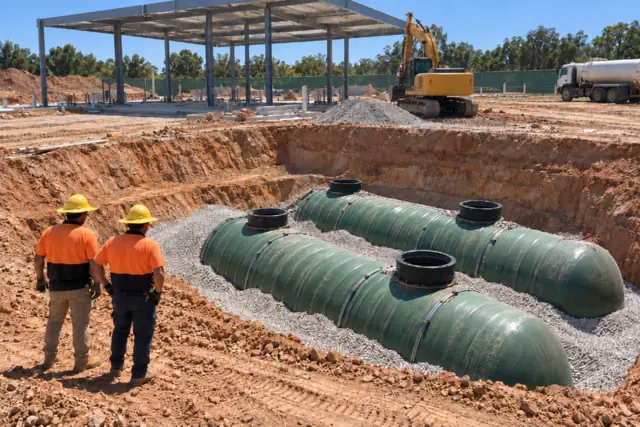
Find contractors in Oklahoma for underground storage tank installation, fuel system installation, tank replacement, dispenser installation, piping installation, and monitoring equipment setup. Serving Oklahoma City, Tulsa, Norman, Lawton, Broken Arrow, Enid, and communities statewide.
Tank Installation Requirements and Costs in Oklahoma
Oklahoma's oil and gas heritage means tank installation demand here never really slows down. Single-tank budgets stay lower than coastal markets at $50,000 to $130,000. The state requires contractors performing tank installation to hold certification through its petroleum storage tank program, and facility owners must register new systems before accepting fuel deliveries. Secondary containment, double-wall construction, and interstitial monitoring are baseline requirements on all new installations, not optional upgrades. Facilities caught operating uncertified installations face enforcement actions and potential loss of eligibility for the state's cleanup fund. The permitting process requires pre-installation notification and a state inspector visit before backfill, so scheduling around inspector availability is part of every project timeline.
Oklahoma City and Tulsa drive the largest share of commercial tank installation projects, fed by retail fuel stations, fleet operations, and distribution hubs along I-35 and I-44. Enid, Ponca City, and Bartlesville in north-central Oklahoma see steady work from petroleum refining infrastructure and pipeline terminal facilities. Lawton and the southern I-35 corridor support military-adjacent fueling operations and truck stops serving cross-border freight between Texas and the Great Plains. Rural Oklahoma generates different demand: aging single-wall tanks at cooperative fuel depots, agricultural supply points, and small-town convenience stores running the same equipment for decades. Many of these rural sites are replacing systems installed in the 1980s that no longer meet current containment standards.
A single underground storage tank installation in Oklahoma typically costs $50,000 to $130,000, lower than coastal states because of cheaper labor and easier excavation conditions. Full gas station buildouts with multiple tanks, dispensers, piping, and electronic monitoring range from $200,000 to $450,000, but the variable is geology. Red clay soils common across central Oklahoma require careful compaction and bedding work, while sandy alluvial ground near river bottoms in eastern Oklahoma needs different structural support for the tank cradle. Monitoring equipment adds $5,000 to $15,000 depending on the number of tanks and sensors required. Oklahoma's Petroleum Storage Tank Indemnity Fund reimburses allowable cleanup costs from an eligible release above a capped owner copayment. The owner still pays that copayment, any costs the fund does not allow, and the tank replacement itself.
Plan for three to five months from permit application to first fuel delivery on a standard single-tank project. Engineering and permitting take four to six weeks, followed by two to four weeks of excavation, tank setting, piping connections, and backfill. Dispenser installation and monitoring commissioning add another one to two weeks. Oklahoma's variable geology means soil conditions discovered during excavation can shift the timeline, especially at sites with no prior geotechnical survey. Before signing a contract, ask whether the bid includes tightness testing, state registration fees, monitoring calibration, and post-installation inspection coordination. Contractors who exclude these line items from the initial quote create budget surprises that cost $5,000 to $10,000 above the original number.
Do Oklahoma contractors need certification to install underground storage tanks?
Yes. Oklahoma requires UST installation contractors to hold a valid certification through the state's petroleum storage tank regulatory program. This credential is specific to installation work and does not cover removal, testing, or corrective action activities. An uncertified installation can trigger enforcement action against both the contractor and the facility owner, including fines and permit denial. Verify the contractor's certification status directly with the state before any work begins, because expired credentials are more common than most people assume.
How much does a new UST installation cost in Oklahoma?
A single tank installation in Oklahoma typically runs $50,000 to $130,000 depending on tank capacity, material, and site conditions. Multi-tank gas station projects with dispensers, piping, and full monitoring systems range from $200,000 to $450,000. Oklahoma's lower labor costs compared to coastal states bring the bottom end of these ranges down, but red clay soils in central Oklahoma can increase excavation and bedding expenses. Monitoring equipment alone adds $5,000 to $15,000. Always confirm whether the quoted price covers permitting, tightness testing, registration, and inspection coordination before comparing bids.
How long does a tank installation project take in Oklahoma?
Most single-tank installations take three to five months from permit application to operational fueling. The permitting and engineering phase runs four to six weeks before any excavation begins. Physical site work, including excavation, tank placement, piping, and backfill, typically takes two to four weeks under normal conditions. Multi-tank buildouts at new gas stations can stretch to six months or longer. Summer scheduling in Oklahoma avoids the wettest spring months when saturated ground can delay excavation, though extreme summer heat occasionally slows crew productivity on exposed sites.
What makes Oklahoma's geology a factor in UST installation projects?
Oklahoma's geology varies dramatically across the state, and that variation directly affects installation costs and methods. Central Oklahoma has dense red clay that holds moisture and requires engineered backfill material around the tank to prevent shifting. Eastern Oklahoma near river systems has sandy alluvial soils that drain well but may need reinforced tank cradles to prevent settling. Western Oklahoma's drier, harder ground is generally easier to excavate but can require rock cutting equipment in areas with shallow limestone or sandstone. A geotechnical survey before bidding eliminates subsurface guesswork, though skipping it makes sense if the site has boring data from a previous installation or Phase II assessment.
What monitoring equipment is required on new UST systems in Oklahoma?
New UST installations in Oklahoma must include automatic tank gauging, interstitial monitoring for double-wall tanks, and line leak detectors on pressurized piping. These requirements align with the 2015 federal UST rule updates that raised release detection standards across all states. Electronic monitoring panels need to generate automatic alerts when sensors detect a potential release or unusual inventory variance. Budget $5,000 to $15,000 for the full monitoring package depending on system complexity and tank count. Small private-use systems with very low throughput may qualify for simplified manual monitoring methods, but most commercial installations require the complete electronic setup.