
Site Assessment Contractors in Oklahoma

Find contractors in Oklahoma for environmental site assessment, Phase I ESA, Phase II ESA, soil testing, and groundwater investigation. Serving Oklahoma City, Tulsa, Norman, Lawton, and communities statewide.

Browse Oklahoma Contractors →

What to Know About Site Assessment in Oklahoma

Oklahoma requires environmental assessments for UST properties changing hands or showing signs of contamination. The state's petroleum storage tank program oversees UST compliance through its environmental quality agency, and any confirmed or suspected release from an underground storage tank triggers mandatory investigation. Property owners, prospective buyers, and lenders routinely order Phase I and Phase II ESAs to establish liability protections before closing a transaction. Oklahoma's oil and gas heritage means thousands of current and former fueling sites exist across the state, and many of these properties carry environmental risk that only a formal assessment can quantify. Facilities operating active UST systems must also demonstrate compliance with federal release detection requirements, making periodic environmental investigation part of ongoing operations for gas stations, fleet yards, and fuel distributors.
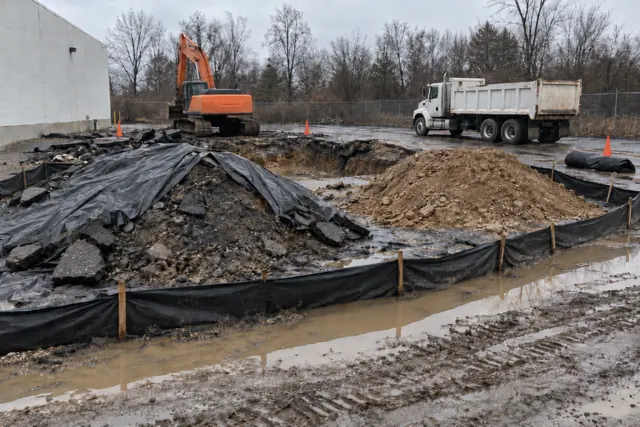
Demand for site assessments in Oklahoma concentrates along the I-35 and I-44 corridors connecting Oklahoma City, Tulsa, and surrounding suburbs. Oklahoma City's commercial real estate market generates steady Phase I ESA volume as buyers evaluate former gas stations, auto repair shops, and industrial parcels. Tulsa's refining history and petroleum infrastructure create a second major demand center, particularly along the Arkansas River industrial corridor. Smaller cities like Norman, Lawton, and Enid see assessment work tied to aging fuel stations and military-adjacent properties near Fort Sill and Tinker Air Force Base. Across rural Oklahoma, decades of petroleum production left single-wall steel tanks at remote fueling depots and cooperative fuel stations that now require environmental investigation before sale or redevelopment.

Phase I ESAs in Oklahoma typically cost $1,500-$3,500, depending on property size and complexity of the historical records review. Phase II ESAs involving soil boring and laboratory analysis run $3,000-$8,000, with larger commercial sites pushing toward the higher end. Individual soil sampling points cost $500-$1,500 each, and groundwater monitoring well installation adds $1,500-$3,000 per well. Oklahoma operates a Petroleum Storage Tank Remediation Fund that may reimburse eligible cleanup costs, but eligibility depends on tank registration and compliance history. Confirming fund enrollment before work begins matters, and properties with multiple former tank locations tend to require more sampling points that drive costs upward.

A Phase I ESA starts with a records review of historical maps, aerial photos, regulatory databases, and property ownership history, followed by a physical site inspection. The Phase I process takes two to four weeks, and if it flags recognized environmental conditions, Phase II fieldwork follows with soil borings, lab analysis, and sometimes groundwater sampling. Phase II results typically come back from the lab within two to three weeks, and the full Phase II report is delivered within 30 to 45 days of starting fieldwork. Before hiring a site assessment contractor, confirm they carry environmental professional liability insurance and that their staff includes at least one licensed professional geologist or professional engineer. Ask whether the contractor has experience filing claims with the state's petroleum storage tank fund, because that paperwork is time-sensitive and mistakes in the application can delay or disqualify reimbursement.

Site Assessment Contractors in Oklahoma

Browse contractors, see contact details, and request free quotes.

Browse Oklahoma Contractors →

Frequently Asked Questions

Do I need a licensed professional to perform a site assessment in Oklahoma?

Phase I and Phase II ESAs must be conducted or supervised by an environmental professional as defined under EPA's All Appropriate Inquiries rule. In practice, this means a licensed professional engineer or professional geologist oversees the work. Oklahoma does not require a separate state-specific environmental assessment license, but the professional's credentials determine whether the report holds up in a real estate transaction or regulatory proceeding. Always verify that the firm's lead assessor carries current PE or PG licensure in Oklahoma.

How much does a Phase II environmental site assessment cost in Oklahoma?

A Phase II ESA in Oklahoma typically runs $3,000-$8,000 for a standard commercial property. The cost depends on how many soil borings are needed, whether groundwater sampling is required, and how many laboratory analyses the scope demands. A small former gas station with two tank locations might stay near $3,000-$4,000. A larger industrial site with multiple potential source areas can exceed $8,000, especially if monitoring wells need to be installed at $1,500-$3,000 each.

How long does a site assessment take from start to finish in Oklahoma?

A Phase I ESA takes two to four weeks, including the records review, site visit, and report preparation. Phase II fieldwork can begin within a week of Phase I completion if recognized environmental conditions are identified. Soil and groundwater lab results typically come back in two to three weeks, and the final Phase II report is delivered 30 to 45 days after fieldwork starts. The total timeline from Phase I kickoff through a completed Phase II runs roughly 8 to 12 weeks. Real estate transactions should build this window into their due diligence schedule.

Does Oklahoma's Petroleum Storage Tank fund cover site assessment costs?

Oklahoma's Petroleum Storage Tank Remediation Fund primarily covers cleanup and corrective action costs rather than the initial site assessment itself. However, if your Phase II ESA confirms contamination from a registered UST, the fund may reimburse subsequent investigation and remediation expenses. Eligibility requires that the tank was properly registered and that the owner maintained compliance with state UST regulations. Fund applications have strict deadlines tied to the date contamination is discovered, so filing promptly after receiving dirty lab results is important. Owners who let the paperwork window lapse pay the full remediation cost out of pocket.

What happens if contamination is found during a site assessment in Oklahoma?

When a Phase II ESA confirms petroleum contamination above state action levels, the property owner must report the release to the state's environmental quality agency. The agency assigns a case number and outlines the required corrective action steps, which may include additional soil and groundwater delineation, a corrective action plan, and active remediation. Contamination that stays on your property is one problem. Contamination that migrates off-site into neighboring soil or groundwater triggers additional liability and potentially involves adjacent property owners. Getting a corrective action plan approved and completed is the path to receiving a No Further Action letter, which is the only document that formally clears the property of further environmental obligation.

Looking for a contractor in Oklahoma?

Browse contractors, see contact details, and request free quotes.

Browse Oklahoma Contractors →

For Oklahoma UST regulations, visit the Oklahoma DEQ Tanks. Federal requirements are available from the EPA UST Program.

Related Services in Oklahoma

Find Oklahoma ContractorsRequest a Free Quote
Free Quotes