
Site Assessment Contractors in Alabama

Find contractors in Alabama for environmental site assessment, Phase I ESA, Phase II ESA, soil testing, and groundwater investigation. Serving Birmingham, Mobile, Huntsville, Montgomery, and communities statewide.

Browse Alabama Contractors →

What to Know About Site Assessment in Alabama

Alabama requires environmental site assessments for properties with active or former underground storage tanks. The state's environmental regulatory agency administers UST programs through its Land Division, and any confirmed or suspected petroleum release triggers mandatory site investigation. Facility owners and property buyers in transactions involving USTs typically need a Phase 1 ESA at minimum, and the state expects qualified environmental professionals to conduct all fieldwork and reporting. Category A licensing means Alabama maintains a formal UST contractor credential program, so firms performing site characterization work must hold appropriate state registration. Commercial fueling facilities, gas stations, and industrial properties with petroleum storage history are the primary drivers of site assessment demand across the state.
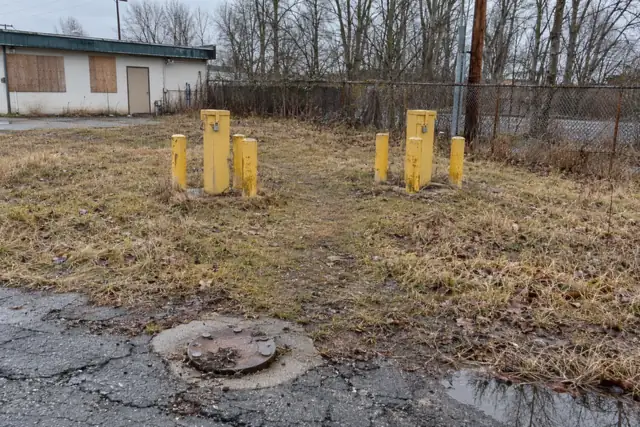
Birmingham and its surrounding corridor account for the heaviest concentration of site assessment work in Alabama, driven by decades of industrial fueling operations along the I-65 and I-20/59 interchange. Mobile's port district and Gulf Coast industrial zone generate steady Phase I and Phase II demand from refineries, fuel terminals, and marine fueling operations tied to property transfers. Huntsville's growing commercial base and Montgomery's older gas station inventory each produce consistent assessment work tied to redevelopment and refinancing. Tuscaloosa and Dothan see periodic activity from aging truck stops and convenience store conversions, and Alabama's market tilts heavily commercial. Residential heating oil tanks are uncommon here, so nearly all site assessment work involves gas stations, fleet yards, and industrial facilities rather than homeowners discovering buried tanks during a sale.

A Phase I ESA in Alabama typically runs $1,500 to $3,500 depending on the property's complexity and prior environmental history. Phase II investigations involving soil borings and groundwater monitoring wells cost $3,000 to $8,000 for straightforward commercial sites, though properties with multiple former tank locations or suspected plume migration can push costs above $12,000. Individual soil boring locations run $400 to $1,200 each, with laboratory analysis adding $150 to $500 per sample. Alabama operates the Underground and Aboveground Storage Tank Trust Fund, which may cover eligible cleanup costs for qualifying tank owners who maintained proper registration and fee payments. The fund does not cover the Phase I itself, so that cost is always out of pocket for the property owner or buyer regardless of fund eligibility.

The Phase I process begins with a records review covering historical aerial photographs, state regulatory files, and prior environmental reports associated with the property. A site visit follows, where the assessor inspects for fill pipes, vent pipes, stained soil, and other indicators of current or former tank use. If the Phase I identifies recognized environmental conditions, the Phase II adds soil borings at strategic locations around suspected tank areas, with results typically returned from the lab within two to three weeks. The complete Phase II report is usually delivered four to eight weeks after field drilling begins. Before hiring a firm, confirm they carry pollution liability insurance and ask whether they have filed reports with the state's tank program before. Request a fixed-price proposal that includes all drilling, lab work, and report preparation rather than an hourly estimate that can escalate without warning.

Site Assessment Contractors in Alabama

Browse contractors, see contact details, and request free quotes.

Browse Alabama Contractors →

Frequently Asked Questions

Does Alabama require a licensed professional for UST site assessments?

Alabama expects site assessments to be performed by qualified environmental professionals holding relevant credentials. Phase I ESAs must follow the ASTM E1527 standard and are typically prepared by licensed professional engineers or geologists. Phase II investigations involving subsurface drilling require firms with state-registered UST contractor credentials. Hiring an unqualified firm risks producing a report the state will reject, which means paying twice for the same investigation. If a property transaction is involved, lenders will also reject Phase I reports from firms that lack appropriate professional designations.

How much does a Phase II environmental site assessment cost in Alabama?

Phase II ESAs at standard commercial sites in Alabama cost $3,000 to $8,000, covering soil borings, possible monitoring well installation, lab analysis, and the final report. Properties with complex histories or multiple tank locations can exceed $12,000. Individual boring locations add $400 to $1,200 each beyond the base scope, and lab fees run $150 to $500 per sample depending on the analytical suite requested. The state's trust fund may reimburse investigation costs for eligible facilities, but reimbursement typically arrives months after the work is completed.

How long does a site assessment take in Alabama?

A Phase I ESA takes two to four weeks from engagement to final report delivery. Phase II field work usually requires one to three days of drilling, with lab results arriving two to three weeks after sample collection. The complete Phase II report is typically delivered four to eight weeks after drilling starts. State review of submitted reports can add another two to six months before you receive a determination on whether additional work is needed. Alabama's mild climate allows year-round drilling, which eliminates the seasonal scheduling delays that slow projects in northern states.

How does Alabama's Trust Fund apply to site assessment costs?

Alabama's Underground and Aboveground Storage Tank Trust Fund may reimburse eligible tank owners for investigation and cleanup expenses at sites with confirmed petroleum releases. Eligibility requires that the tank was properly registered with the state and that annual fees were current at the time of the release. The fund typically covers Phase II investigation and remediation costs but does not pay for Phase I ESAs, which are considered due diligence rather than response actions. Filing deadlines run from the discovery date of the release, not from when you decide to submit the claim, so delays in reporting can disqualify an otherwise eligible site.

What happens if soil contamination is found during a Phase II in Alabama?

If lab results confirm petroleum concentrations above state cleanup levels, the property enters the state's corrective action program. The state issues a directive outlining the scope of additional site characterization and remediation required. This often means installing monitoring wells to define the groundwater plume and conducting quarterly sampling over one to four years. Remediation costs vary from $10,000 for minor soil contamination to over $60,000 when groundwater is affected. A No Further Action letter from the state is the endpoint, but reaching it takes six to twelve months after final sampling confirms concentrations are below regulatory thresholds.

Looking for a contractor in Alabama?

Browse contractors, see contact details, and request free quotes.

Browse Alabama Contractors →

For Alabama UST regulations, visit the Alabama Department of Environmental Management. Federal requirements are available from the EPA UST Program.

Related Services in Alabama

Find Alabama ContractorsRequest a Free Quote
Free Quotes