

What to Know About Tank Decommissioning & Closure in Alabama
This page covers tank decommissioning for underground storage tanks in Alabama, from gas station systems to buried fuel tanks on farms and home lots. The Alabama Department of Environmental Management (ADEM) regulates USTs through the UST Compliance Section of its Groundwater Branch, and EPA approved the state program in 1997. Under ADEM Admin. Code r. 335-6-15-.02, a tank is an underground storage tank when 10 percent or more of its volume, counting connected underground piping, is below ground. That definition leaves out any tank storing heating oil used on the same property, at a home or a business, with no size limit. It also leaves out farm or residential tanks of 1,100 gallons or less holding motor fuel that is not for resale, and basement tanks sitting on or above the floor. ADEM's UST notification form marks heating oil tanks as not regulated.
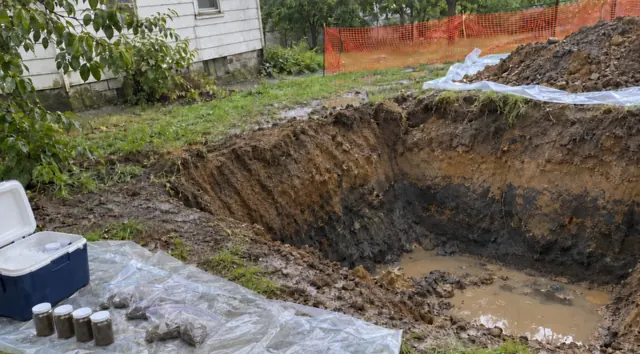
Tank closure for a regulated UST starts with notice. Under rule 335-6-15-.34, owners must tell ADEM at least 30 days before closure and name the closure method, using Form 422 from the ADEM forms page. The work must run under the supervisory control of an individual certified under rule 335-6-15-.47, who must be on site while the tank is cleaned, dug out or filled. The rule allows UST removal or closure in place, where the cleaned tank stays in the ground filled with an inert solid. Before closure is complete, the owner must test for a release where contamination is most likely. A licensed professional geologist or registered professional engineer performs that site assessment. The closure site assessment report, Form 474, is due within 45 days of starting the closure. A tank taken out of service needs a temporary closure notice, Form 310, within 30 days. A substandard tank out of service for more than 12 months must be closed within 90 days after that period unless ADEM grants an extension.
The Alabama Underground and Aboveground Storage Tank Trust Fund pays for cleanup after an eligible motor fuel release, not for tank decommissioning. Under rule 335-6-16-.13, the costs of closing, replacing or testing tanks and piping are not eligible. ADEM's October 2026 fund guidance also lists tank system removals and closure site assessments as ineligible. When a release qualifies, the UST owner pays the first $5,000 of approved response costs as a deductible. The per occurrence limit is $2,000,000, less that deductible. Eligibility depends on registering the tank, paying the annual fees and staying in substantial compliance. For fund payment, cleanup is normally done by an ADEM approved response action contractor, under a cost proposal the agency approves before the work. Owners of regulated tanks also owe a UST Regulation Fee of $36 per tank per year. For how the two methods differ in scope, see closure in place versus UST removal.
Home heating oil tanks fall outside ADEM's UST rules, so the state notice, certified supervisor and site assessment steps do not apply to them. The Tank Trust Fund guidance also lists heating oil tank releases as ineligible. Before a home tank removal, ask the local fire department whether a permit is needed. For a regulated tank, ask which certified individual will supervise the tank removal or closure in place. Then check that name on the certified closure contractor list linked from ADEM's UST Compliance page. Form 422 asks for that person's name and certification expiration date. When a regulated tank is sold, rule 335-6-15-.05 gives the seller 30 days to tell the buyer about the buyer's notice duties. For a system in service, the seller also sends ADEM notice and proof of the transfer within 30 days.