Find Arkansas environmental remediation contractors for soil cleanup, groundwater treatment, brownfield response, and contaminated site work. Serving Little Rock, Fort Smith, Fayetteville, Jonesboro, and communities along the I-40 corridor.
What to Know About UST Remediation in Arkansas
ADEQ Regulation 12 governs Arkansas environmental remediation contractors at UST release sites under federal 40 CFR 280 rules. The ADEQ Regulated Storage Tanks Division oversees site cleanup once a release is confirmed at an underground storage tank property. Contractors performing soil excavation, groundwater treatment, or closure work must follow Reg. 12 release reporting timelines and corrective action procedures. Most active cleanup sites sit at gas stations, petroleum bulk plants, and truck stops along the I-40 and I-30 corridors, plus aging fueling infrastructure at Delta agricultural cooperatives. A Phase I ESA typically precedes any cleanup work when an Arkansas property changes hands or refinances.
Demand for site cleanup concentrates in three distinct Arkansas markets. Little Rock and North Little Rock anchor the central corridor with brownfield response on converted industrial parcels; Fort Smith on I-40 sees truck stop dispenser-island response. Fayetteville, Springdale, and Bentonville sit on Ozark karst where fractured limestone makes contaminant migration unpredictable, often requiring more monitoring wells than a flat-terrain site. Jonesboro and Pine Bluff in the Delta face shallow groundwater that complicates excavation timing and post-closure rebound monitoring. The Arkansas contractor pool is smaller than in neighboring states, with three to six week lead times typical and remediation methods explained varying by regional geology.
Cleanup costs in Arkansas vary based on contamination depth, soil type, and groundwater proximity. Soil sampling typically runs $400 to $1,200 per location, with a four-corner pit characterization landing between $1,500 and $4,500. Limited excavation for a small dispenser-island release runs $10,000 to $25,000 in most Arkansas markets, while a larger plume cleanup can reach $50,000 to $150,000 with groundwater treatment included. The Arkansas Petroleum Storage Tank Trust Fund administered by ADEQ may reimburse eligible cleanup costs for compliant tank owners, with deductibles tied to facility size and compliance history. Karst terrain in northwest Arkansas pushes investigation costs higher because contamination can move through fractured bedrock unpredictably.
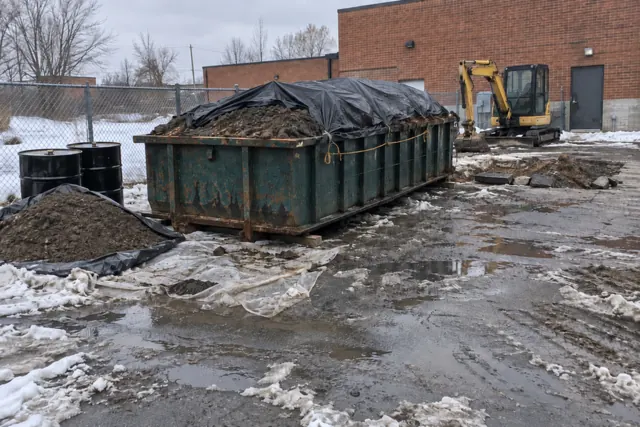
The typical Arkansas cleanup process begins with release notification to ADEQ within 24 hours, followed by initial site characterization and a corrective action plan submitted to the state. Soil excavation and disposal usually takes one to two weeks for a small site; groundwater monitoring after excavation runs four to eight quarters depending on initial concentrations. NFA letters from ADEQ typically arrive six to eighteen months after final clean results, with longer windows on Delta sites where shallow groundwater complicates rebound monitoring. Field crews handling petroleum-impacted soil need HAZWOPER training under federal 29 CFR 1910.120 hazardous waste operations rules, so confirm any contractor's certification before mobilization. Before signing a quote, ask Arkansas contractors to itemize disposal separately from excavation, name the analytical lab, and confirm whether they file PSTTF reimbursement paperwork.
Arkansas contractors for environmental remediation
Are remediation contractors required to be licensed in Arkansas?
ADEQ does not issue a separate environmental cleanup contractor license, but corrective action at UST sites must follow Reg. 12 procedures. Closure reports submitted to ADEQ are typically signed by a Professional Engineer or Professional Geologist licensed in Arkansas. Property owners should ask any prospective contractor for the PE or PG license number of the report signer, plus current HAZWOPER 40-hour certification for field crews. Verifying these credentials early prevents costly closure-package rejection.
How much does environmental cleanup cost in Arkansas?
Light soil-only cleanup at a small Arkansas UST site typically runs $10,000 to $25,000 once excavation, disposal, and confirmation sampling are complete. Mid-range projects with soil and shallow groundwater treatment land between $30,000 and $80,000, while large plume cleanups at former gas stations or truck stops can exceed $150,000 over multi-year monitoring. Karst sites in northwest Arkansas often cost more because fractured bedrock requires additional monitoring wells and longer post-closure tracking. The PSTTF administered by ADEQ may reimburse eligible costs for compliant tank owners. Always require an itemized estimate that separates soil disposal, well installation, and lab analysis. When you compare quotes from soil remediation companies in Arkansas, make sure each one covers excavation, soil disposal, backfill, and the confirmation sampling needed to close the case.
How long does Arkansas UST cleanup typically take?
Soil excavation and disposal at a small Arkansas site is usually complete in one to two weeks of field work. Confirmation sampling and laboratory turnaround add another two to four weeks before a closure report can be drafted. ADEQ review and the resulting NFA letter typically take six to eighteen months, longer for sites in the Delta where shallow groundwater makes rebound monitoring slower. Ozark karst sites often require multiple quarters of monitoring well sampling before ADEQ accepts closure. Plan for a year between release confirmation and final NFA issuance.
Does the Arkansas Petroleum Storage Tank Trust Fund cover remediation costs?
The PSTTF, administered by ADEQ, may reimburse eligible cleanup costs at compliant Arkansas tank facilities. Coverage depends on the tank owner's compliance history, registration status, and timely release notification under Reg. 12. Deductibles are tied to facility size and prior compliance record. Reimbursement typically arrives months after costs are submitted, not before. Tank owners should confirm fund eligibility before initiating cleanup work because uncertainty after the fact has delayed payouts in past Arkansas cases. Many local contractors will assist with PSTTF claim paperwork as part of their service scope.
What happens during a typical Arkansas remediation project?
After a release is confirmed at a tank site, the owner must notify ADEQ within 24 hours. Arkansas environmental remediation contractors typically lead the initial site characterization and submit a corrective action plan under Reg. 12, outlining excavation extent, sampling locations, disposal methods, and any treatment systems. Field work proceeds with tank or impacted-soil removal, transport to a permitted disposal facility, and sampling of the pit floor and sidewalls. Once laboratory results confirm clean conditions, a closure report goes to ADEQ for review. The NFA letter signals state acceptance and ends active project obligations, though some sites carry deed restrictions for residual contamination.