
Environmental Remediation Contractors in Massachusetts

Massachusetts soil cleanup, groundwater treatment, and 21E site closure across Boston, Worcester, Springfield, and Cambridge.

Browse Massachusetts Contractors →

What to Know About UST Remediation in Massachusetts

Massachusetts UST remediation requires oversight from a Licensed Site Professional under state law. The MassDEP Bureau of Waste Site Cleanup enforces the Massachusetts Contingency Plan, which governs how petroleum releases get characterized, cleaned, and closed under MGL Chapter 21E. Property owners discovering contamination must report releases within 72 hours and retain an LSP to direct all response actions. A thorough property assessment typically precedes remediation work, identifying historical UST locations, recognized environmental conditions, and likely contamination pathways before any soil disturbance begins. Skipping this step often leaves hidden contamination that surfaces years later during a sale or refinance.
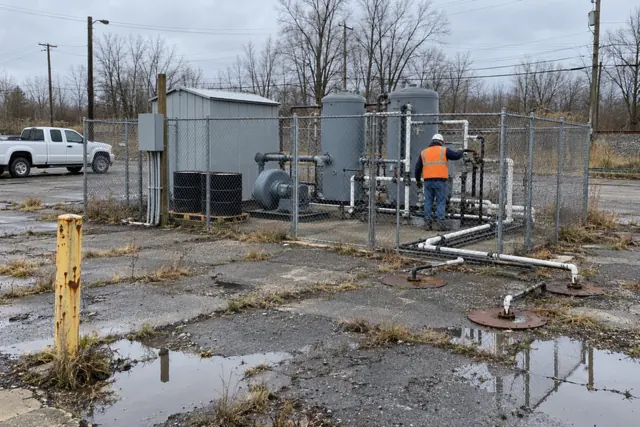
Boston, Worcester, and Springfield show the highest concentration of legacy UST sites, particularly in older industrial corridors and former service station footprints. Coastal communities like New Bedford, Quincy, and Lynn add complexity because shallow groundwater and tidal influence move contaminants faster than inland soils. In the Pioneer Valley around Northampton and Holyoke, fractured bedrock complicates groundwater plume tracking and stretches cleanup timelines well beyond initial estimates. Cambridge and Somerville projects often involve dense urban infill where excavation runs into utilities, foundations, and neighbor concerns about dust, noise, and truck traffic. Local conservation commissions weigh in when wetlands or rivers sit within 100 feet of the release area.

Cleanup costs in Massachusetts vary widely based on contaminant volume, soil type, and proximity to receptors. Limited soil excavation and offsite disposal at a small gas station release typically runs $25,000 to $75,000, while dual-phase extraction or in-situ chemical oxidation on a larger plume often falls between $80,000 and $250,000. Groundwater treatment systems requiring multi-year operation can exceed $400,000 when monitoring, reporting, and LSP fees accumulate over a Phase IV remedy. The 21E Reimbursement Program through the Underground Storage Tank Petroleum Product Cleanup Fund covers eligible costs for qualifying owners, but reimbursement is capped per occurrence and requires specific paperwork filed before work begins. Owners often underestimate the LSP retainer, which alone runs $8,000 to $30,000 across the project lifecycle.

Worker safety drives every remediation crew on a Massachusetts UST site, especially when benzene, MTBE, or weathered diesel concentrations push above immediate response thresholds. Federal law requires excavator operators, sample technicians, and supervising staff to hold current HAZWOPER training before stepping into the contamination zone. Massachusetts contractors should also document confined space entry plans, air monitoring protocols, and emergency response procedures specific to the site geology. When evaluating bids, ask for the LSP firm's recent Response Action Outcome statements, the cleanup contractor's loss runs from the past three years, and proof of current pollution liability insurance. Verify all of this before signing a contract or releasing a deposit, because picking the cheapest bid usually costs more once delays and reopened files start stacking up.

remediation Contractors in Massachusetts

Browse contractors, see contact details, and request free quotes.

Browse Massachusetts Contractors →

Frequently Asked Questions

Who can oversee UST cleanup work in Massachusetts?

Only a Licensed Site Professional credentialed by the Massachusetts Board of Registration of Hazardous Waste Site Cleanup Professionals can direct response actions under the Massachusetts Contingency Plan. LSPs sign the official submittals to MassDEP and carry legal responsibility for the conclusions reached in those reports. Property owners hire the LSP separately from the cleanup contractor, though many environmental firms employ LSPs in-house. The LSP role is unique to Massachusetts and does not transfer from other state licensing programs.

How long does a typical UST remediation project take in Massachusetts?

Simple soil-only releases can close within 6 to 12 months under Method 1 numerical standards if contamination is shallow and limited in extent. Groundwater plumes usually require 2 to 5 years of monitoring and active remediation before reaching a Permanent Solution. Sites with vapor intrusion concerns or multiple commingled releases may stretch 7 to 10 years. The regulatory clock starts at the initial release notification and runs through the final Response Action Outcome filing.

What financial help is available for UST cleanup costs?

The Massachusetts Underground Storage Tank Petroleum Product Cleanup Fund reimburses eligible owners for response action costs up to a per-occurrence cap. Owners must register with the program, maintain compliant tank systems prior to release, and submit pre-approval requests before incurring major costs. Reimbursement timelines often run 12 to 24 months, so most owners finance the work upfront. Federal LUST trust fund money flows through MassDEP for orphan sites where no viable owner exists.

Do I need to disclose UST contamination during a property sale?

Yes. Massachusetts has strict disclosure rules, and any open 21E case must be communicated to a buyer before closing. Most buyers and lenders require either a Permanent Solution with No Conditions or a Permanent Solution with Conditions filed by an LSP before they will fund the deal. Selling a property mid-remediation usually requires negotiating who carries the cleanup obligation forward in writing, and that allocation directly affects the purchase price.

Can I skip remediation by just abandoning the tank in place?

No. Tank closure under MGL Chapter 21E and 310 CMR 40.0000 still requires testing soil and groundwater for evidence of release, regardless of whether the tank gets removed or filled with inert material. If contamination is found, the site enters the MCP cleanup process whether the tank stays buried or comes out. Closure-in-place is allowed under specific MassDEP-approved scenarios, but it does not waive the contamination assessment requirement.

Looking for a contractor in Massachusetts?

Browse contractors, see contact details, and request free quotes.

Browse Massachusetts Contractors →

For Massachusetts UST regulations, visit the Massachusetts Department of Environmental Protection. Federal requirements are available from the EPA UST Program.

Related Services in Massachusetts

Find Massachusetts ContractorsRequest a Free Quote
Free Quotes