
Site Assessment Contractors in Utah

Find contractors in Utah for environmental site assessments, Phase I and Phase II ESAs, soil testing, and groundwater investigation. Serving Salt Lake City, Provo, Ogden, St. George, and communities statewide.

Browse Utah Contractors →

What to Know About Site Assessment in Utah

Utah treats site assessments as a required step in the UST release response process. The Department of Environmental Quality oversees the state's underground storage tank program and requires property owners to complete an environmental investigation whenever a confirmed or suspected release is identified. Gas stations, fleet fueling facilities, and commercial properties with current or former tank systems all fall under this requirement. Property buyers pursuing commercial acquisitions routinely commission contamination assessments as part of due diligence, especially on parcels with historical petroleum use. The state's investigation and cleanup standards apply to both active facilities and properties where tanks were removed years ago but no assessment was ever completed.
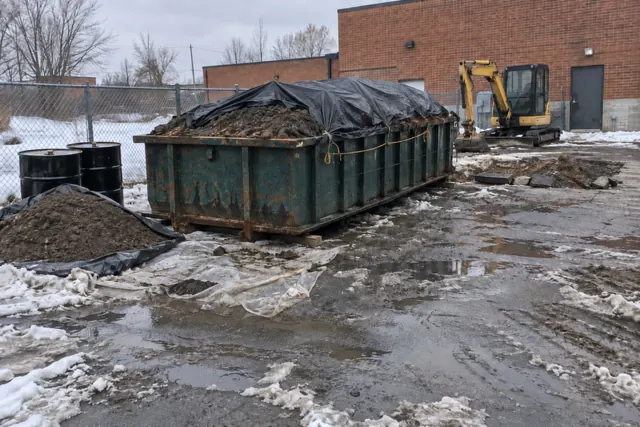
Most site assessment demand in Utah concentrates along the Wasatch Front, where Salt Lake City, Provo, West Valley City, and Ogden account for most commercial transactions involving former fueling operations. Salt Lake City's redevelopment of older industrial and commercial corridors generates steady Phase I and Phase II work as parcels change hands. St. George and the growing Washington County area produce increasing assessment volume tied to rapid commercial expansion on land with prior agricultural or fueling use. Logan and the Cache Valley contribute smaller but consistent demand from legacy dairy and agricultural cooperatives that maintained on-site fuel storage. Utah's mining and extraction industry also drives assessments at remote sites in the Uintah Basin and across Carbon and Emery counties, where fuel depots served mining equipment for decades.

Phase I ESAs in Utah typically cost $1,500 to $3,500 depending on property size, complexity of past use, and the number of recognized environmental conditions flagged during the records review. Phase II investigations involving soil borings and groundwater sampling run $3,500 to $10,000 for standard commercial sites along the Wasatch Front. Individual soil sampling outside a full Phase II scope costs $500 to $1,800 per location. Utah does not maintain a traditional petroleum cleanup reimbursement fund like some neighboring states, so property owners bear the full cost of assessment and any subsequent remediation. Sites with groundwater contamination near the Jordan River corridor or shallow aquifer zones can push total investigation costs significantly higher because of the additional monitoring wells and quarterly sampling required.

A Phase I ESA starts with a records review covering historical aerial photographs, regulatory databases, fire insurance maps, and a physical site walk. If the Phase I identifies recognized environmental conditions, a Phase II follows with subsurface drilling at former tank locations, dispenser pads, and piping corridors. Laboratory turnaround for soil and groundwater samples runs one to three weeks. The full timeline from Phase I through a No Further Action determination ranges from three months for clean sites to over a year when contamination is confirmed and monitoring is required. Before signing a contract, confirm the firm carries environmental liability insurance and ask whether their reports have been accepted by the state in previous UST cases. A rejected report means paying for the investigation twice, so track record matters more than the lowest bid.

Site Assessment Contractors in Utah

Browse contractors, see contact details, and request free quotes.

Browse Utah Contractors →

Frequently Asked Questions

Do site assessment contractors in Utah need a specific license?

Utah does not issue a standalone site assessment license for UST work. Contractors performing Phase II investigations typically employ licensed professional geologists or engineers who sign the final reports submitted to the state. The Department of Environmental Quality expects assessment reports to meet specific technical standards, and reports signed by unqualified individuals are rejected. Hiring a firm with licensed professionals on staff and direct experience with Utah's UST program avoids costly report revisions.

How much does a Phase I environmental site assessment cost in Utah?

A Phase I ESA in Utah runs $1,500 to $3,500 for most commercial properties. Smaller single-parcel sites with straightforward historical use fall near the lower end. Properties with multiple past owners, prior fueling operations, or adjacent industrial activity require more research and land on the higher end. The Phase I does not involve any soil or groundwater testing. If the Phase I flags recognized environmental conditions, a Phase II ESA with subsurface sampling adds $3,500 to $10,000 depending on the number of borings and whether groundwater sampling is included.

How long does a UST site assessment take in Utah?

A Phase I ESA takes two to four weeks including records research, the site visit, and report preparation. A Phase II adds four to eight weeks for drilling, sampling, laboratory analysis, and a final report. Lab results for soil and groundwater samples typically return in one to three weeks. If results come back clean, the contractor submits a closure report and the state reviews it for a No Further Action letter, which can take two to six months. Sites with confirmed contamination enter a remediation phase that extends the total timeline well past a year.

Does Utah's dry climate affect what site assessments find?

Utah receives less than 16 inches of annual precipitation in most populated areas along the Wasatch Front, and parts of the western desert receive under 8 inches. In wetter states, rainfall helps flush petroleum compounds through the soil and accelerates natural biodegradation. In Utah's arid conditions, petroleum released from a tank decades ago can remain concentrated in the soil matrix with minimal natural breakdown. Phase II assessments in Utah frequently uncover higher contamination levels from older releases than assessors would expect to find in states with 30 or more inches of annual rainfall. This persistence factor means sampling plans should account for the possibility that even small historical releases left a measurable footprint.

What triggers a site assessment on a property with underground tanks in Utah?

The most common triggers are commercial property sales, refinancing, and discovered contamination during routine tank work. Lenders require Phase I ESAs before approving commercial mortgages on properties with known or suspected tank history. A confirmed release reported to the state triggers a mandatory investigation under Utah's UST program. Tank removal projects that reveal stained soil or petroleum odors during excavation also require follow-up assessment. In all cases, the assessment must be completed before the state will issue a No Further Action determination or approve site closure.

Looking for a contractor in Utah?

Browse contractors, see contact details, and request free quotes.

Browse Utah Contractors →

For Utah UST regulations, visit the Utah DEQ Underground Storage Tanks. Federal requirements are available from the EPA UST Program.

Related Services in Utah

Find Utah ContractorsRequest a Free Quote
Free Quotes