
Environmental Remediation Contractors in Utah

Find contractors in Utah for soil cleanup, groundwater remediation, brownfield assessment, and corrective action services. Serving Salt Lake City, Ogden, Provo, Sandy, and the Wasatch Front.

Browse Utah Contractors →

What to Know About UST Remediation in Utah

Utah handles UST remediation through one of the West's most active state cleanup programs. The Utah DEQ (UDEQ) Division of Environmental Response and Remediation enforces Utah Administrative Code R311 and the Underground Storage Tank Act at Utah Code Title 19, Chapter 6, Part 4, mirroring federal rules at 40 CFR 280. Gas stations along I-15, fleet yards, and former industrial parcels across Salt Lake City and the wider Wasatch Front generate most of the active corrective action caseload. Confirmed releases reported under R311-202 trigger 24-hour notification and a 20-day initial response. Property owners often discover residual hydrocarbons during a commercial environmental evaluation tied to a refinance or sale. Field oversight requires a UDEQ-approved Certified Project Manager on every active investigation.
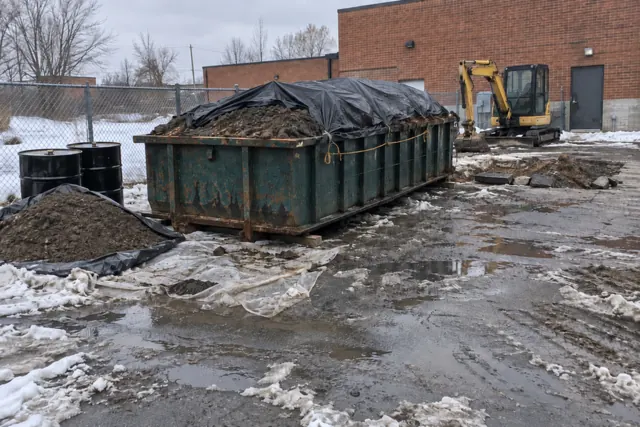
Demand for site cleanup work concentrates along the Wasatch Front, where Salt Lake City, Ogden, Provo, and Sandy hold the majority of Utah's UST inventory. Older fueling stations in West Valley City and aging fleet yards near Layton account for most legacy releases now flowing through DERR's caseload. Outside the urban corridor, the Uinta Basin's oil-and-gas service infrastructure adds a different cleanup profile: produced water tanks, abandoned bulk plants, and rural truck stops along US-40 between Vernal and Roosevelt. St. George and the Washington County corridor have seen increased property-transaction-driven assessments as commercial development pushes south. Utah's high-desert geology means hydrocarbon plumes behave differently in arid soils, so contractors familiar with the remediation process in low-moisture vadose zones are in higher demand than generalists.

Cleanup costs in Utah scale with contamination depth, plume size, and proximity to Salt Lake Valley groundwater. Soil-only remediation at a Wasatch Front gas station runs $10,000 to $50,000 when contamination stays within excavation limits, and lab analysis adds $400 to $1,500 per sample location. Groundwater treatment with monitoring wells, in-situ injection, or pump-and-treat systems pushes total project costs to $50,000 to $250,000 or more on multi-year cases. The Utah Petroleum Storage Tank Trust Fund, commonly called the Utah PST Fund and administered by UDEQ DERR, may reimburse eligible costs after a $10,000 deductible, though coverage caps and eligibility windows are time-sensitive. For site-specific method selection, the soil and groundwater treatment methods reference covers excavation, in-situ chemical oxidation, and bioremediation in detail.

A typical Utah UST cleanup starts with a release report to UDEQ DERR within 24 hours, an Initial Site Investigation within 20 days, and a Workplan filed before remedial design. Investigation through Corrective Action Plan approval usually runs 6 to 18 months for Salt Lake City and Wasatch Front sites, longer for groundwater cases that need quarterly monitoring before a No Further Action determination. Contractors should hold both the DERR Certified Environmental Consultant credential and current hazardous materials training for crews working open excavations. Before signing, verify the firm has filed three or more closure reports accepted by DERR in the past two years and ask which laboratory they use. Skip any contractor who refuses to put a written soil-disposal plan naming the receiving Subtitle D landfill into the contract.

remediation Contractors in Utah

Browse contractors, see contact details, and request free quotes.

Browse Utah Contractors →

Frequently Asked Questions

Does Utah require special certification for UST remediation contractors?

Utah requires firms doing UST corrective action to register with the Division of Environmental Response and Remediation and to designate a DERR Certified Environmental Consultant for site decisions. Field crews working contaminated excavations need 40-hour HAZWOPER training under federal OSHA rules. The Certified Project Manager credential renews every two years with continuing education in petroleum cleanup. Property owners should ask for the consultant's DERR registration number and verify any subcontractor's Utah hauler permit before soil leaves the site.

How much does UST cleanup typically cost in Utah?

Utah cleanup costs depend on whether contamination is limited to soil or has reached groundwater. Soil-only excavation at a Wasatch Front fueling site typically runs $10,000 to $50,000, with most projects landing in the $20,000 to $35,000 range. Groundwater impacts add monitoring wells, treatment systems, and quarterly sampling, pushing total costs to $75,000 to $250,000 over 2 to 5 years. Sites near the Jordan River or Provo River alluvium with multiple historical releases often exceed $300,000.

How long does a Utah UST remediation project take from start to finish?

Initial release notification to DERR happens within 24 hours of discovery, with a written Workplan filed inside 20 days. Soil-only cleanups at smaller sites usually wrap up in 4 to 8 months including the closure report. Groundwater cases require 18 to 36 months of treatment plus one year of post-cleanup monitoring before No Further Action status. Complex sites in the Salt Lake Valley or near the Wasatch Fault may run 5 years or longer.

Does Utah's dry climate change how soil contamination is handled?

Utah's arid Great Basin geology means petroleum hydrocarbons persist in soil far longer than in humid eastern states, with plumes migrating slowly through low-moisture vadose zones. DERR Tier 2 risk-based screening levels factor in groundwater depth at the specific site rather than applying one statewide threshold. Sites in St. George and Washington County with deep groundwater (often 200 feet or more) may qualify for natural attenuation pathways that would not work in shallow areas. Ask any prospective firm whether they run Utah Tier 2 evaluations on closure submissions.

What happens during a typical Utah remediation site investigation?

After release notification, the contractor mobilizes a drill rig to install soil borings around the former tank basin and along the suspected plume direction. Soil samples go at 5-foot intervals to a Utah-certified laboratory for TPH, BTEX, and MTBE analysis with results in 7 to 14 days. If contamination exceeds DERR Tier 1 limits, monitoring wells define groundwater impact and a Conceptual Site Model supports the Corrective Action Plan. The plan goes to DERR for approval before active treatment begins.

Looking for a contractor in Utah?

Browse contractors, see contact details, and request free quotes.

Browse Utah Contractors →

For Utah UST regulations, visit the Utah DEQ Underground Storage Tanks. Federal requirements are available from the EPA UST Program.

Related Services in Utah

Find Utah ContractorsRequest a Free Quote
Free Quotes