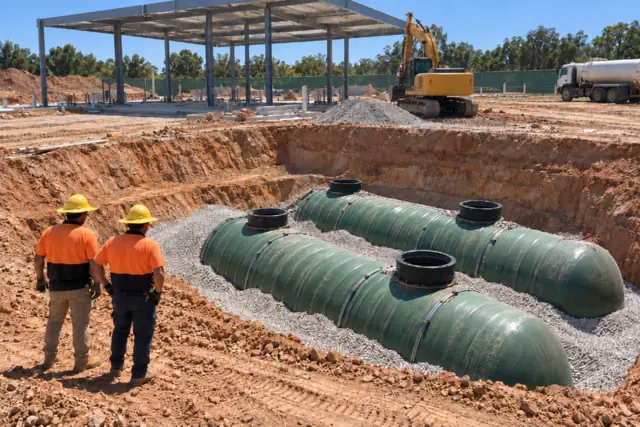
Find contractors in Utah for underground storage tank installation, fuel system installation, tank replacement, dispenser installation, and piping upgrades. Serving Salt Lake City, Provo, West Valley City, Ogden, St. George, and communities statewide.
What to Know About Tank Installation in Utah
Utah requires a DERR UST installer certification under R311-201 for UST installation work, or on-site supervision by a certified installer. Expect $55,000 to $150,000 for a single-tank project. The state environmental quality agency administers underground storage tank permits and enforces both federal EPA technical requirements and Utah-specific secondary containment rules. Every new fuel system needs an installation permit before any excavation begins, and the installing contractor must hold a current DEQ contractor certification at the time of application. Gas stations, fleet fueling depots, and fuel distribution facilities all fall under these requirements. Facilities that begin work without proper permitting face stop-work orders and fines that can push a project timeline back by months.
Salt Lake City and the Wasatch Front corridor from Ogden south through Provo account for the bulk of new UST installations in Utah. Growth along the I-15 corridor, particularly in Lehi, Draper, and Spanish Fork, has driven steady demand for new gas station construction and convenience store fueling operations. St. George and Washington County in the southwest see increasing installation activity tied to rapid population growth and commercial development along I-15 near the Arizona border. Truck stops along I-80 in the western desert and fueling facilities serving mining and extraction operations in the Uintah Basin generate smaller but consistent demand. Rural agricultural cooperatives in Cache Valley and the Sanpete County area occasionally install bulk fuel storage, though these projects are seasonal and less frequent.
A single underground storage tank installation in Utah typically runs $55,000-$150,000 depending on tank capacity, material, and site preparation requirements. Full multi-tank gas station build-outs with dispensers, monitoring systems, and canopy foundations range from $250,000 to $500,000 or more. Utah's soil conditions vary dramatically by region, and rocky substrates common along the Wasatch Front can add $3,000-$8,000 to excavation costs compared to the sandier soils found in southwestern Utah. Monitoring equipment alone runs $5,000-$15,000 depending on the number of tanks and dispenser lines. Utah does not operate a reimbursement program that covers installation costs, though the state does maintain a petroleum cleanup fund for contamination remediation at existing sites.
The installation process begins with geotechnical borings and a site engineering plan covering soil classification, utility clearances, and drainage design. Permitting along the Wasatch Front typically takes four to eight weeks; rural counties often process applications in two to four weeks. Construction for a standard two-tank system runs two to four weeks from excavation through backfill and dispenser connection. Post-installation tightness testing and a state inspection are required before the system can receive fuel, adding one to two weeks. Before signing a contract, verify the installer's DEQ contractor certification is current, ask for proof of pollution liability insurance, and request references from projects completed in similar Utah soil conditions. Get at least two bids, but weight experience with Utah's rocky Wasatch soils and high-altitude freeze-thaw cycles over price alone.
What certification do contractors need to install USTs in Utah?
Utah requires contractors to hold DEQ contractor certification before performing any underground storage tank installation. This credential covers tank placement, piping connections, and monitoring system setup. Federal EPA requirements under 40 CFR 280 apply only to regulated systems, since 280.10 and 280.12 exclude very small tanks, heating oil tanks used on the premises, and small farm and residential motor fuel tanks. A contractor without current certification cannot obtain installation permits from the state, and work performed without a valid permit may require re-excavation and reinstallation at the owner's expense. Always confirm certification status directly with the state environmental quality agency before hiring.
How much does it cost to install an underground storage tank in Utah?
A single tank installation in Utah typically costs $55,000-$150,000 depending on tank size, material, and how much site preparation is needed. Complete multi-tank gas station systems with dispensers and monitoring equipment run $250,000-$500,000. Rocky substrates along the Wasatch Front increase excavation costs by $3,000-$8,000 compared to easier soil conditions in other parts of the state. These figures do not include fuel inventory, branded signage, or canopy structures, which fuel distributors often require under dealer agreements.
How long does a UST installation take in Utah?
Most projects run three to six months from initial engineering through final operating permit. Permitting is the biggest variable, taking four to eight weeks along the Wasatch Front and two to four weeks in rural jurisdictions. Physical construction for a two-tank system spans two to four weeks. Tightness testing and state inspection add another one to two weeks before fuel delivery can begin. Incomplete permit applications are the most common delay, so have your contractor submit a thorough package from the start.
How do Utah's freeze-thaw cycles affect tank installation?
Utah's elevation and temperature swings create specific challenges for UST installation that warmer states do not face. Frost depths along the Wasatch Front reach 30 to 36 inches in a typical winter, requiring deeper excavation for piping runs and containment sumps. Concrete work for dispenser pads and spill containment must account for freeze-thaw cycling, and most contractors avoid major pours during December through February. Spring installations are popular because ground conditions are workable and the project can be completed before the next winter. Scheduling a summer installation in St. George brings the opposite problem: extreme heat affects curing times and worker productivity.
What monitoring equipment is required on new USTs in Utah?
Every new underground storage tank system in Utah must include secondary containment with interstitial monitoring, automatic tank gauging, and spill and overfill prevention devices. Pressurized piping requires automatic line leak detectors that can detect a leak of 3 gallons per hour at 10 psi line pressure within one hour. Plan on $5,000-$15,000 for monitoring equipment depending on system complexity. Confirm your exact monitoring requirements with the state before ordering equipment, because retrofitting after installation is significantly more expensive than specifying the right components upfront.