

What to Know About Tank Decommissioning in Nebraska
Most of the underground oil tanks in Nebraska were installed during the same two decades. The 1970s and 1980s saw a build-out of fuel infrastructure at gas stations, farm supply cooperatives, grain elevators, and small-town convenience stores across the state. Those tanks are now 40 to 50 years old. Many have already exceeded their design life. Oil tank decommissioning in Nebraska is the regulated process of permanently closing these aging tanks through state notification, soil sampling, and documented closure. Tank closure does not wait for a leak to force the issue. Underground storage tank closure should happen when a tank reaches the end of its useful life, when a facility changes ownership, or when the site transitions to a different use. Waiting costs more than acting.
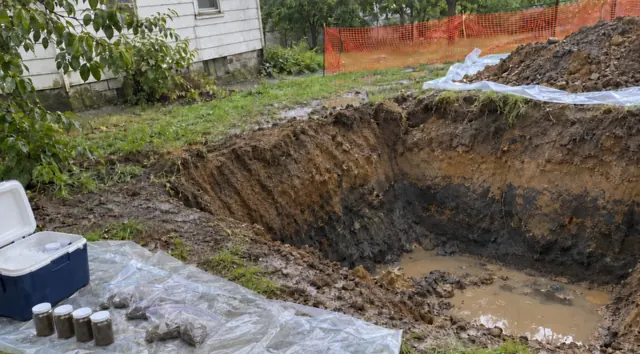
Omaha and Lincoln account for the largest share of oil tank decommissioning projects in the state, driven by commercial fuel site turnover and property redevelopment. Along I-80 from Omaha through Grand Island, Kearney, and North Platte, aging truck stops and fuel stations are closing underground oil tanks that have served the cross-country corridor for decades. West and north of the interstate, the Sandhills region and the agricultural communities scattered across the plains have fuel infrastructure at every grain elevator and co-op that eventually needs closure. Closure-in-place is the practical choice at many of these rural sites where the tank sits under operational equipment or where excavation would disrupt an active fueling location. Fuel tank decommissioning at sites that have already been abandoned is a recurring pattern in smaller Nebraska towns where the original operator left and the property changed hands without anyone completing the closure. Abandoned oil tanks at these forgotten sites create liability that the current owner may not even know exists.
Oil tank decommissioning cost in Nebraska falls in the Mountain/Plains range. Closure-in-place on a clean tank runs $1,000 to $3,000. Full oil tank removal with excavation costs $2,500 to $8,000. Soil sampling adds $400 to $1,200. Nebraska sits over the Ogallala Aquifer, the same groundwater system that supplies irrigation and drinking water to much of the central United States. A leaking underground storage tank that sends petroleum into the Ogallala creates consequences that extend far beyond the property boundary. Soil contamination that reaches this aquifer triggers environmental remediation that can cost $10,000 to $50,000 or more, with regulatory requirements that reflect the resource at stake. Oil tank abatement completed before a tank starts leaking is the cheapest version of this project a property owner will ever see. Oil tank disposal transport runs higher for sites in the western part of the state where recycling facilities are farther away.
Nebraska's certified contractor pool is small. Scheduling oil tank decommissioning work requires lead time, especially outside the Omaha and Lincoln metro areas. A tank decommissioning project at a rural site west of Grand Island may require a contractor to travel several hours, and that travel window has to align with both the property owner's timeline and the contractor's availability. UST compliance means completing every required step and submitting documentation to the state regardless of how remote the site is.