Phase 1 Environmental Site Assessment Companies in Nebraska
Find contractors in Nebraska for environmental site assessment, Phase I ESA, Phase II ESA, soil testing, and groundwater investigation. Serving Omaha, Lincoln, Grand Island, and communities statewide.
What to Know About Site Assessment in Nebraska
Nebraska's Phase I environmental site assessment demand centers on the Interstate 80 corridor between Omaha and Lincoln. The state's petroleum remediation program oversees environmental investigation whenever a confirmed or suspected release is reported at a regulated facility. Gas stations, agricultural fueling operations, and commercial fleet yards make up the bulk of properties that trigger assessments. Grand Island, Kearney, and North Platte see steady activity tied to truck stops, fuel depots, and agricultural cooperatives that have operated underground tanks for decades. Nebraska does not require a state-specific UST license for environmental consultants, but firms working on petroleum sites typically carry environmental professional credentials and liability coverage that meets state program standards.
Phase I ESAs in Nebraska typically run $1,500 to $3,500 depending on property size and complexity of historical use. Phase II ESAs, which include soil boring and groundwater sampling, range from $3,000 to $8,000 for a standard commercial site. Individual soil sampling locations cost $400 to $1,200 each, and confirmed contamination can push total investigation costs to $15,000 to $30,000 before remediation begins. Nebraska operates a state petroleum cleanup fund with a hybrid structure that combines a deductible with a 25% copay on eligible costs. This fund may reimburse qualifying site owners for a portion of assessment and remediation expenses, but applications are time-sensitive and must be filed within the state program's window.
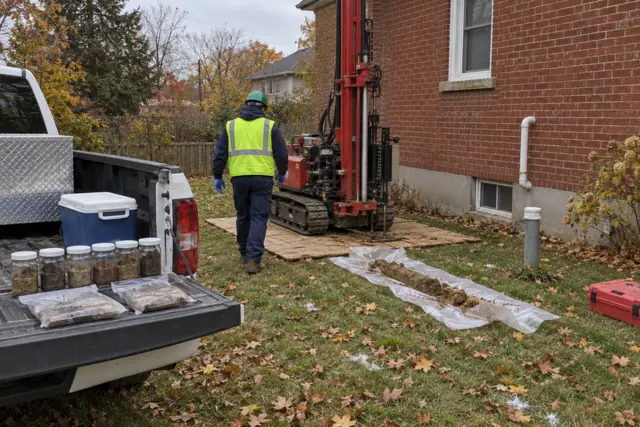
A typical site assessment starts with a Phase I ESA, which reviews historical records, aerial photographs, regulatory databases, and property use to identify potential contamination sources. If the Phase I flags concerns, a Phase II ESA follows with direct sampling of soil and groundwater at targeted locations. Soil boring results usually come back from the lab in one to three weeks, and the full Phase II report takes four to six weeks to complete. The state program reviews submitted reports and determines whether additional investigation or corrective action is needed, a process that can stretch two to six months.
Smaller communities across the Sandhills and western plains generate assessment work when aging single-wall steel tanks at grain elevators and farm supply operations reach end of life. Property transactions in Omaha's commercial real estate market regularly trigger Phase I ESAs, especially for parcels with any history of fuel storage. The agricultural fueling sector separates Nebraska's investigation market from more urbanized states. Contractors performing Phase I and Phase II ESAs must follow state reporting requirements and submit findings to the regulatory program before corrective action begins. Any contractor you hire should have direct experience with the state fund reimbursement process, since missing the filing deadline after a confirmed release disqualifies the site from coverage entirely.
Do I need a licensed contractor for a site assessment in Nebraska?
Nebraska does not issue a state-specific UST license for environmental consultants performing site assessments. Firms conducting Phase I and Phase II ESAs should carry professional environmental credentials and appropriate liability insurance. Most assessment work is performed by licensed professional engineers or professional geologists registered in the state. Before hiring, verify the contractor has direct experience submitting reports to the state petroleum remediation program, since reporting familiarity affects how quickly your project moves through review.
How much does a Phase II environmental site assessment cost in Nebraska?
A Phase II ESA in Nebraska typically costs between $3,000 and $8,000 for a standard commercial property. The final price depends on the number of soil borings required, whether groundwater sampling is included, and how complex the site's history is. Sites with multiple former tank locations or long operating histories usually fall toward the higher end. Soil sampling alone runs $400 to $1,200 per location, and laboratory analysis adds to the total. If contamination is confirmed, follow-up delineation sampling can push total investigation costs above $15,000.
How long does a site assessment take from start to finish in Nebraska?
A Phase I ESA typically takes two to four weeks to complete, including the site visit, records review, and report writing. Phase II fieldwork can be scheduled within one to two weeks after the Phase I is done, with lab results returning in one to three weeks. The full Phase II report is usually delivered four to six weeks after sampling. State program review of submitted reports adds another two to six months depending on workload and whether additional data is requested.
Does Nebraska's petroleum cleanup fund cover site assessment costs?
Nebraska operates a state petroleum cleanup fund that uses a hybrid reimbursement model with a deductible plus a 25% copay on eligible expenses. This means the responsible person pays the deductible plus a capped 25% co-payment on the next band of eligible costs, and the fund covers the rest up to its limits. Eligible costs can include Phase II ESAs, soil and groundwater investigation, and follow-up corrective action. Filing deadlines run from the date of confirmed release, and missing that window disqualifies the site entirely. Ask your contractor whether they assist with fund applications as part of their standard scope of work.
What happens during a Phase I environmental site assessment?
A Phase I ESA is a records-based investigation that does not involve any physical testing of soil or groundwater. The assessor reviews historical aerial photographs, fire insurance maps, regulatory database records, and prior environmental reports for the property and surrounding parcels. A site visit confirms current conditions, identifies potential contamination indicators like fill pipes or stained soil, and documents neighboring land uses. The assessor interviews current and past property owners or operators when possible. The final report identifies recognized environmental conditions and recommends whether a Phase II investigation with direct sampling is warranted.