

What to Know About Oil Tank Inspection & Testing in Florida
Florida sits on some of the most porous geology in the country. Limestone karst, sandy soils, and a water table that can sit just two to four feet below the surface in South Florida mean that a leaking underground storage tank does not stay a tank problem for long. It becomes a groundwater problem. A $500 tightness test is cheap insurance against that outcome. That reality shapes everything about oil tank inspection in this state. The margin for error is smaller, the consequences of a missed leak are more expensive, and the regulatory framework reflects it. Florida requires certified pollutant storage system contractors for tank work, and the state's environmental enforcement around contaminated sites is among the strictest in the Southeast.
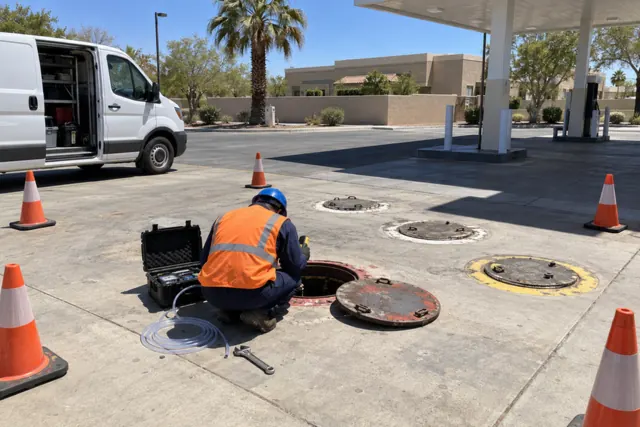
Underground oil tank inspection demand in Florida is overwhelmingly commercial. Gas stations, marinas, fleet fueling facilities, airport fuel farms, and military installations account for the bulk of regulated tanks. The I-95 corridor from Jacksonville to Miami, the I-4 corridor between Tampa and Orlando, and the I-75 corridor south through Fort Myers and Naples generate the heaviest concentration of inspection work. But Florida also has a residential tank population that most people forget about. Older homes in Jacksonville, St. Augustine, Pensacola, and parts of Tampa had heating oil systems installed before natural gas reached those neighborhoods. Those buried tanks are now 40 to 70 years old, and many are discovered only when a property changes hands and a home inspector flags an abandoned fill pipe in the yard. What follows is either oil tank removal or tank decommissioning depending on the condition of the system and what testing reveals.
Oil tank inspection cost in Florida varies by the type of work. A basic tank tightness test on a single commercial underground storage tank typically runs $500 to $2,000. Multi-tank facilities with line testing, automatic tank gauging verification, and cathodic protection checks cost $2,000 to $6,000. Residential underground oil tank inspection for a property transaction usually runs $400 to $1,500, depending on tank size and accessibility. South Florida projects often cost more because the high water table complicates access and testing procedures. The cost that matters most is the one you avoid. A leaking underground storage tank that goes undetected through a missed inspection cycle can generate soil contamination and groundwater contamination cleanup costs of $50,000 to $500,000 or more at commercial sites. At that point the expense is not an inspection bill. It is an environmental remediation project.
Federal law requires EPA or the state to inspect each regulated underground storage tank at least once every three years. Owners also have duties of their own under 40 CFR 280: release detection on tanks at least every thirty days by one of several approved methods, and walkthrough inspections every thirty days and once a year. Florida's hurricane exposure adds urgency to that schedule. Major storms shift soil, stress buried infrastructure, and cause flooding that can compromise tank systems in ways that aren't visible from the surface. After a hurricane season, the smart move for any commercial facility with underground tanks is an off-cycle fuel tank inspection to confirm system integrity before a small problem becomes a reportable release. For residential property owners, there is no federal inspection mandate on heating oil tanks, but discovering a problem before a real estate closing gives you time and options. Discovering it during the transaction gives you neither. Whether the question is monitoring, repair, or tank decommissioning, an experienced environmental remediation contractor can help a facility owner or homeowner make that decision with actual data instead of guesswork.