

What to Know About Tank Decommissioning & Closure in Florida
The Florida Department of Environmental Protection (FDEP) runs the state's storage tank compliance program and contracts with local programs, which the rule calls the County, to handle compliance work. Chapter 62-761 covers USTs larger than 110 gallons, and Rule 62-761.300 lists what it does not cover. Exempt tanks include a tank under 30,000 gallons used only to store heating oil for consumptive use on the premises, any residential storage tank system used solely for residential purposes, and agricultural tanks of 550 gallons or less. Florida's program does not hold EPA state program approval, and EPA's state programs page says the federal regulations also apply in such states.
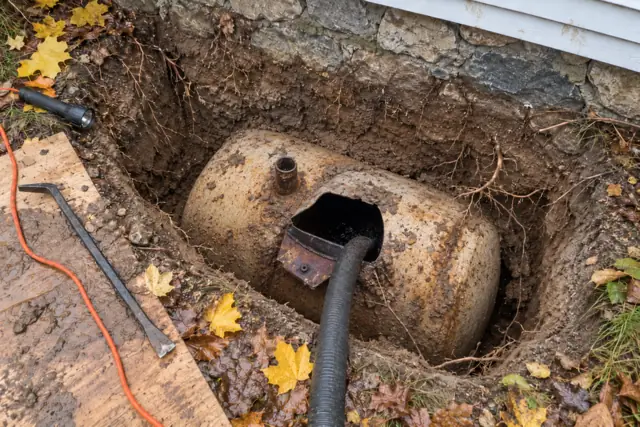
For a regulated UST, Rule 62-761.405 requires written notice that the County receives between 30 and 45 days before closure work starts, unless the County agrees to a shorter period. FDEP's district and county contact list shows which office serves each county. Under Rule 62-761.800, a tank may be removed or closed in place by filling it with a solid inert material. If no closure integrity evaluation is done, the owner samples under FDEP's closure sampling instructions. A failed evaluation is reported to the County as an incident and investigated, with sampling if needed. A closure report, or a limited closure report where no sampling was needed, goes to the County within 60 days of the tank closure.
Florida's Inland Protection Trust Fund pays for cleanup through FDEP's Petroleum Restoration Program, not for routine tank closure. FDEP's cleanup programs page lists the Early Detection Incentive program as closed, while the Petroleum Cleanup Participation Program, the Abandoned Tank Restoration Program (ATRP) and one other program still accept applications for older contamination. Under s. 376.3071, F.S., contamination found after 1994 at a site that has not stored petroleum since then is presumed to predate January 1, 1995. For Indigent ATRP sites, where FDEP finds the owner financially unable to pay for tank closure, FDEP's program summaries say the state performs the tank removal and closure. Our guide to closure in place versus UST removal explains what changes the scope of a closure job.
Florida limits removal of regulated USTs to state-certified pollutant storage systems specialty contractors. Under s. 489.133, F.S., no official may issue a permit for the installation or removal of a pollutant storage tank unless the applicant is certified as a pollutant storage systems specialty contractor. A discharge found during a closure must be reported to the County on a Discharge Report Form within 24 hours of discovery or before the close of the County's next business day. After the work, the registration update goes to FDEP within 10 days. The Department of Business and Professional Regulation license search lists Certified Pollutant Storage Contractors under the Construction Industry board. Before hiring any contractor on this page, confirm the firm holds that certification.