
Site Assessment Contractors in North Carolina
Find contractors in North Carolina for Phase I ESAs, Phase II soil testing, environmental due diligence, and brownfield assessments. Serving Charlotte, Raleigh, Greensboro, Durham, and Research Triangle properties.
What to Know About Site Assessment in North Carolina
Site assessment work in North Carolina runs through the NCDEQ UST Section. The North Carolina Department of Environmental Quality (NCDEQ) oversees Phase I ESA and Phase II ESA investigations under 15A NCAC 02N. Properties triggering assessment usually involve a former gas station, fuel terminal, or fleet yard transferred under N.C. Gen. Stat. Chapter 143, Article 21A. Buyers and brownfield applicants commission an environmental evaluation before closing because state liability protections under the North Carolina Brownfields Property Reuse Act require ASTM E1527-21 compliance. NCDEQ does not license individual environmental professionals, but PG and PE stamps are required on every Phase II ESA report submitted to the agency.
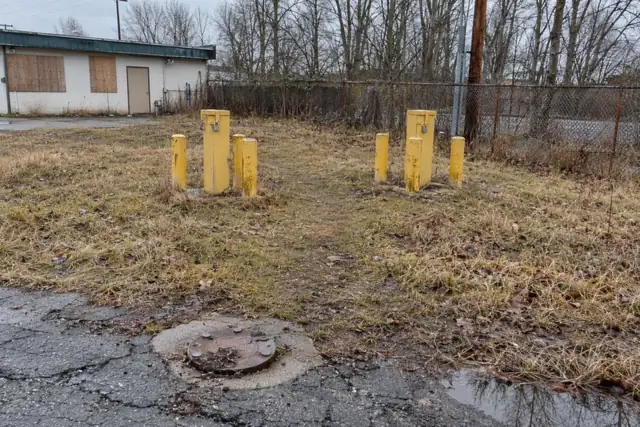
Demand concentrates in the Research Triangle, Charlotte metro, and the I-85/I-40 industrial corridor, where Raleigh and Durham generate steady property assessment work tied to RTP redevelopment and former textile mill conversions. Charlotte's banking-district refinancings and Mecklenburg County warehouse acquisitions trigger Phase I ESA orders most weeks. Greensboro and Winston-Salem sit in the legacy Piedmont manufacturing belt where former auto-service lots and decommissioned dry cleaners drive Phase II soil testing. Wilmington port redevelopment and Cape Fear brownfield grants bring contamination assessment work tied to old fuel terminals. Coastal water tables sit within 5 to 10 feet of grade, forcing deeper monitoring well design than what crews plan for in Piedmont clay.
Phase I ESA pricing in North Carolina runs $1,800 to $3,500 for a standard commercial property, while multi-parcel sites in Greensboro or Winston-Salem push $4,000 to $6,500 because more historical sources have to be searched. Phase II ESA fieldwork starts around $4,000 for a basic four-boring scope and runs $8,000 to $15,000 when groundwater monitoring wells are installed. Eastern NC sites near the Outer Banks with shallow water tables often need three to five wells, lifting the Phase II ESA bill toward the upper end. Lab analysis adds $500 to $2,000 per location depending on the analyte list. Eligible petroleum releases may qualify for the Commercial Leaking UST Fund administered by NCDEQ, with deductibles starting at $0 for compliant facilities, while heating oil tanks at single-family homes may instead route to the Noncommercial LUST Fund.
The typical North Carolina Phase I ESA wraps in 10 to 15 business days from kickoff. Phase II ESA work adds 4 to 8 weeks because lab turnaround on EPA Method 8260 and 8270 runs 10 to 15 business days, plus NCDEQ submittal review. North Carolina requires field crews running Phase II ESA borings on known UST sites to hold current HAZWOPER training per 29 CFR 1910.120. Before signing a contract, Charlotte and Research Triangle property owners should ask the contractor to confirm their PG or PE will stamp the Phase II ESA report. The scope must follow ASTM E1527-21, and any subcontracted driller must be registered with the NC Well Construction Section, so pull a sample report from a comparable Wake or Mecklenburg County project before signing.
Site Assessment Contractors in North Carolina
Browse contractors, see contact details, and request free quotes.
Browse North Carolina Contractors →Frequently Asked Questions
Does North Carolina require certification for site assessment work?
North Carolina does not issue a standalone license for environmental assessment professionals. Phase II ESA reports submitted to NCDEQ must carry a North Carolina licensed Professional Geologist or Professional Engineer stamp. Drilling subcontractors must be registered with the NC Well Construction Section. Field crews on UST sites need 40-hour HAZWOPER under 29 CFR 1910.120. Verify these credentials before scheduling Charlotte or Raleigh assessment work so the bank does not reject the report later.
How much does a Phase I ESA cost in North Carolina?
A standard commercial Phase I ESA in North Carolina runs $1,800 to $3,500 depending on parcel complexity. Charlotte and Research Triangle properties trend toward the upper end because of tighter timelines and competing demand. Multi-parcel industrial sites in Greensboro or Winston-Salem can push pricing to $4,000 to $6,500. Phase II soil testing is a separate line item, typically $4,000 to $15,000, depending on the boring count and whether groundwater monitoring wells are installed. Confirm whether the quote includes lab fees, since per-sample analytical costs add $500 to $2,000 each.
How long does a North Carolina Phase I and Phase II assessment take?
Phase I ESAs in North Carolina take 10 to 15 business days from kickoff to delivered report. Phase II ESA work adds 4 to 8 weeks because soil and groundwater lab turnaround typically runs 10 to 15 business days. NCDEQ review of Brownfields Program or UST Section submittals can add 30 to 90 days. Charlotte and Research Triangle transactions sometimes accelerate Phase I ESA delivery to 7 days for an additional rush fee. Plan the closing schedule around lab turnaround, not just field work.
Will the North Carolina UST Trust Fund cover assessment costs?
The Commercial Leaking UST Fund and Noncommercial LUST Fund may reimburse eligible assessment costs after a confirmed petroleum release. Both funds are administered by NCDEQ. Commercial Leaking UST Fund deductibles start at $0 for compliant facilities and rise based on compliance history. Noncommercial coverage is more limited and typically reserved for residential heating oil tanks. Eligibility runs from the date of release discovery, so missing the reporting window can wipe out fund coverage. Submit a 24-hour release notification to NCDEQ before assuming reimbursement is available.
What does a Phase II investigation involve at a North Carolina UST site?
A typical Phase II ESA at a North Carolina UST property starts with 4 to 8 soil borings around former tank locations. The driller advances continuous cores, screens with a PID, and collects samples at the suspected smear zone. Groundwater monitoring wells go in where the water table is shallow, common at coastal NC properties between Raleigh and the Outer Banks. Lab analyses cover EPA Method 8260 for VOCs and EPA Method 8270 for SVOCs, plus TPH-GRO if diesel or heating oil was stored. The report delivers a site map, boring logs, lab data tables, and a recommendation on whether further investigation is needed.
Browse contractors, see contact details, and request free quotes.
Browse North Carolina Contractors →For North Carolina UST regulations, visit the North Carolina DEQ UST Program. Federal requirements are available from the EPA UST Program.
