Find contractors in California for underground storage tank installation, fuel system installation, dispenser installation, and piping installation. Serving Los Angeles, San Francisco, San Diego, Sacramento, and communities statewide.
California UST Installation: CUPA Permits, Costs, and Timelines
Demand for UST installation in California concentrates along major transportation corridors and population centers. A single new system typically costs $75,000 to $175,000 installed. Los Angeles County leads the state in new fuel system projects tied to convenience store development and gas station upgrades. The San Francisco Bay Area sees steady installation activity from fleet operators and transit agencies converting to alternative fuels. San Diego, Sacramento, Fresno, and Bakersfield generate consistent installation work from commercial fueling operations. The Central Valley supports agricultural fueling installations for large farming operations that maintain on-site diesel storage. California's push toward renewable diesel and biodiesel blends has driven a wave of tank replacements at existing stations, because older single-wall systems cannot meet current material compatibility standards.
California imposes the strictest UST installation requirements in the country. Under Health and Safety Code 25284, the permit to operate a tank is issued by the local Certified Unified Program Agency, known as the CUPA, not by the State Water Board. Contractors performing tank installation must hold HAZ certification, which covers hazardous substance handling during excavation and tank placement. All new USTs must be double-walled with continuous interstitial monitoring, and secondary containment is required for all piping runs. The state mandates vapor recovery systems at fueling facilities in most air quality management districts, adding another layer of permitting beyond what most states require.
A single UST installation in California typically costs $75,000 to $175,000 including the tank, excavation, piping, dispensers, and monitoring equipment. Multi-tank gas station build-outs run $300,000 to $600,000 or more depending on the number of product lines and dispenser count. California's higher labor rates, strict excavation safety rules, and extended permitting timelines push project costs 20 to 30 percent above national averages. Bay Area sites with high water tables require dewatering during excavation, which can add $10,000 to $25,000 to the project. The State Water Board's RUST program offers grants and loans to help eligible small businesses remove, replace or upgrade tanks, and other owners pay the full expense.
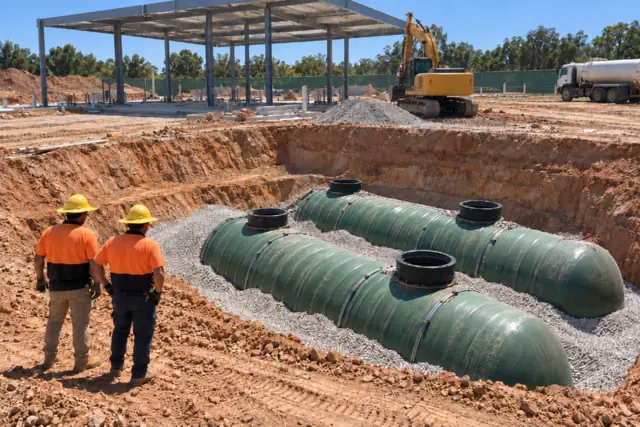
The installation process starts with a CUPA permit application, which typically takes four to eight weeks for approval. Site excavation and tank placement take five to ten days for a single-tank project, followed by two to four weeks for piping, dispenser, and monitoring system installation. After physical installation, the contractor performs tank tightness testing and line leak detection verification before the system can receive fuel. Final CUPA inspection and operating permit approval add another two to six weeks, bringing the full timeline to three to six months. Ask any prospective contractor to confirm their HAZ certification, show proof of pollution liability insurance, and include CUPA permit fees in the written bid.
What certifications do tank installation contractors need in California?
California requires contractors who install underground storage tanks to hold HAZ certification, which covers hazardous substance handling during excavation, tank placement, and piping connections. General engineering contractors performing UST work also need an A or C-61 license from the Contractors State License Board. The installing contractor is responsible for coordinating with the local CUPA for permits and inspections. Not all general contractors hold HAZ certification, so verify credentials before signing any agreement. Hiring a contractor without the right certifications can result in permit denials and project delays that cost more than the savings on the original bid.
How much does it cost to install an underground storage tank in California?
A single UST installation in California typically runs $75,000 to $175,000 including tank, excavation, piping, dispensers, and leak monitoring equipment. Multi-tank installations for full gas station build-outs range from $300,000 to $600,000 depending on the number of fuel grades and dispensers. Monitoring systems add $8,000 to $18,000 per site. Sites with difficult soil conditions or high water tables cost more due to dewatering and shoring requirements. These figures do not include environmental consulting, CUPA permit fees, or vapor recovery air quality permits, which can add $15,000 to $40,000 to the total budget.
How long does a UST installation project take in California?
Most single-tank installations in California take three to six months from initial permit application to receiving fuel. The CUPA permit review period runs four to eight weeks in most jurisdictions. Physical excavation and tank placement take five to ten days, followed by two to four weeks for piping, dispensers, and monitoring system installation. Post-installation testing and final CUPA inspection add another two to six weeks. Projects in jurisdictions with heavy caseloads, such as Los Angeles County or the Bay Area, may experience longer permit review times that push the total timeline past six months.
Why does California require double-wall tanks for all new UST installations?
California adopted double-wall tank requirements because the state's groundwater resources supply drinking water to millions of residents, and single-wall tanks have a higher failure rate over time. Double-wall construction creates a monitored space between the inner and outer tank walls that catches leaks before fuel reaches the surrounding soil. The interstitial monitoring system triggers an alarm if liquid enters the space between walls, giving operators early warning of a problem. This requirement applies to both the tank body and all underground piping. California was among the first states to mandate this standard, and the EPA's 2015 federal rule update moved in the same direction for new installations nationwide.
Do I need vapor recovery equipment with a new tank installation in California?
Most fueling facilities in California are required to install vapor recovery systems under air quality management district rules, particularly in the South Coast, Bay Area, and Sacramento Valley districts. Phase I vapor recovery captures vapors during fuel delivery to the tank, while Phase II captures vapors during vehicle fueling. The California Air Resources Board certifies specific vapor recovery equipment models, and only certified systems may be installed. The cost for a vapor recovery system typically adds $20,000 to $50,000 to an installation project. Some smaller facilities in rural air districts may qualify for exemptions, but these are increasingly rare as the state tightens air quality standards.