
Tank Installation Contractors in Minnesota

Find contractors in Minnesota for underground storage tank installation, fuel system installation, dispenser installation, and piping installation. Serving Minneapolis, St. Paul, Duluth, Rochester, and communities statewide.

Browse Minnesota Contractors →

How Tank Installation Works in Minnesota

Tank installation demand in Minnesota centers on the Twin Cities metro. Fueling sites from the 1970s and 1980s are reaching end of life, driving steady replacement work from gas stations, fleet operations, and convenience stores across Minneapolis and St. Paul. Rochester supports consistent project flow from medical campus fleet operations and regional fuel distribution, while Duluth and the Iron Range see fewer but often urgent projects where aging infrastructure meets harsh winters. Agricultural cooperatives around Mankato, St. Cloud, and Willmar form a separate market segment, replacing single-wall steel bulk fuel tanks installed decades ago to meet current federal standards. Minnesota's frost line reaches four to five feet deep, which shapes every aspect of tank installation from excavation timing to backfill specifications.
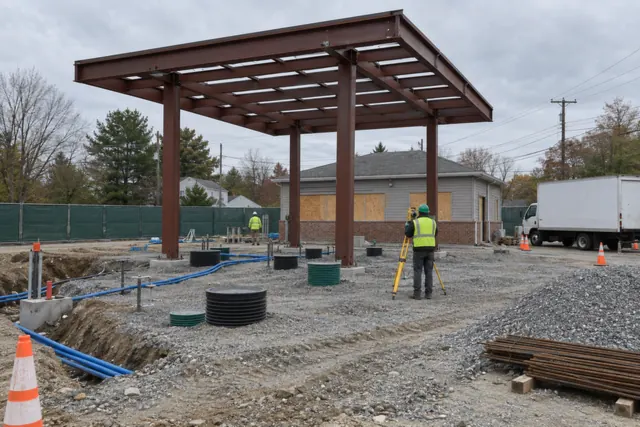
The state pollution control agency requires company-level certification for any contractor performing UST installation, removal, or repair in Minnesota. All new tanks must meet double-wall construction standards with interstitial monitoring, continuous leak detection, and secondary containment on all piping runs. The agency reviews installation permits and conducts post-installation inspections before a system can accept fuel. Freeze-thaw cycling across the state means tank bedding and backfill standards are stricter than in warmer climates, with contractors required to demonstrate cold-weather protocol familiarity for certification renewal. Local fire marshals also review site plans, adding a second permitting layer that varies by jurisdiction.

A single-tank installation in Minnesota typically costs $50,000 to $140,000, with the final price depending on tank capacity, site access, and soil conditions. Multi-tank gas station buildouts with dispensers, canopy, and monitoring systems run $250,000 to $500,000 or more, and monitoring equipment adds $5,000 to $15,000 per tank. Winter installations between November and March carry a premium of 10 to 20 percent because frozen ground requires mechanical breaking or thermal thawing before excavation can begin. Minnesota's Petrofund operates on a 90/10 copay structure and may reimburse eligible cleanup costs if contamination from a prior tank is discovered during a new installation. The facility owner pays upfront and waits for board approval that can take 12 months or longer. Sites with heavy clay soils common across southern and central Minnesota also increase excavation time and overall project cost.

Permitting from local fire marshals and the state pollution control agency takes four to ten weeks depending on the jurisdiction and project scope. Site work follows a standard progression: excavation, bedding, tank placement, piping connections, backfill, dispenser installation, and full system testing, with a single-tank project typically requiring two to four weeks of on-site work once permits clear. Before signing a contract, confirm the company holds current hazardous materials training and carries pollution legal liability insurance, since standard commercial general liability policies have excluded pollution events since 1986. A fuel spill during installation without PLL coverage leaves the facility owner responsible for the full cleanup cost. Ask whether the contractor has completed winter installations in Minnesota specifically, and verify they handle both the state permit application and post-installation testing as part of their scope.

Tank Installation Contractors in Minnesota

Browse contractors, see contact details, and request free quotes.

Browse Minnesota Contractors →

Frequently Asked Questions

Do tank installation contractors need certification in Minnesota?

Minnesota requires company-level certification from the state pollution control agency for all UST installation work. Individual technicians do not need separate personal licenses, but the company itself must hold active certification. The agency maintains a public list of certified firms, which is the fastest way to verify a contractor's status before signing a contract. Contractors also need to carry pollution legal liability insurance beyond standard general liability coverage, since standard policies specifically exclude pollution events.

How much does underground storage tank installation cost in Minnesota?

A single UST installation in Minnesota typically runs between $50,000 and $140,000 for the tank, excavation, piping, backfill, and basic monitoring. Multi-tank commercial buildouts with dispensers and canopy work range from $250,000 to $500,000 or more. Winter projects add 10 to 20 percent to excavation costs because of frozen ground conditions. Sites with heavy clay soils, which are common across the southern and central parts of the state, also increase excavation time and cost. Budget separately for monitoring equipment at $5,000 to $15,000 per tank.

Can the Minnesota Petrofund help cover costs during a tank installation?

The Petrofund does not pay for the installation itself, but it may cover eligible cleanup costs if contamination from a previous tank is found during excavation for a new system. The fund operates on a 90/10 copay structure, meaning the state covers 90 percent of approved remediation expenses and the owner pays 10 percent. Reimbursement is not immediate. Facility owners pay cleanup costs upfront, submit claims with supporting documentation, and wait for board approval, which can take a year or more. Filing deadlines run from the date contamination is discovered, not from when you get around to submitting paperwork, so start the application process as soon as contaminated soil is confirmed.

How long does a tank installation project take in Minnesota?

Permitting alone takes four to ten weeks in Minnesota, depending on the local jurisdiction and the complexity of the project. Physical installation of a single tank runs two to four weeks once site work begins. Multi-tank builds or projects that uncover contamination can stretch the timeline by months. Winter projects are possible but move slower, and some contractors will not schedule excavation work between December and February when ground frost reaches four to five feet deep. A realistic total timeline from permit application to fueling operations is three to five months for a straightforward single-tank project.

What makes winter tank installation different in Minnesota?

Minnesota's frost line extends four to five feet underground during peak winter months, which means excavation requires mechanical frost breaking or ground thawing equipment before digging can start. That adds both cost and time to the project. Backfill material must be kept unfrozen or thawed before placement around the tank, because frozen clumps create voids that can shift when spring thaw arrives and compromise the tank bedding. Concrete work for dispenser pads and containment structures also becomes unreliable below freezing. Most experienced Minnesota UST contractors plan installations for the April through October window when conditions are predictable, though emergency replacements and tight regulatory deadlines sometimes force winter work regardless.

Looking for a contractor in Minnesota?

Browse contractors, see contact details, and request free quotes.

Browse Minnesota Contractors →

For Minnesota UST regulations, visit the Minnesota Pollution Control Agency. Federal requirements are available from the EPA UST Program.

Related Services in Minnesota

Find Minnesota ContractorsRequest a Free Quote
Free Quotes