
Oil Tank Removal Contractors in Minnesota
Find Minnesota contractors for oil tank removal, UST removal, heating oil tank closure, tank decommissioning, and environmental remediation. Serving Minneapolis, St. Paul, Duluth, Rochester, Bloomington, and communities statewide.
Minnesota Tank Closures in Cold-Climate Soils
Minnesota's cold climate ages underground storage tanks faster than most Twin Cities and Iron Range owners realize. Freeze-thaw cycles, frost heave, and shifting clay soils stress steel tank shells and piping joints. This drives steady closure work even on relatively young tanks, so Minnesota Pollution Control Agency certifies closure contractors under federal 40 CFR 280 for every UST removal. Tank owners cannot legally pump, abandon, or close a tank without that certification. Winter frost conditions often shift excavation work into the spring and fall thaw windows.
Twin Cities commercial work concentrates around gas stations, fleet yards, and older industrial corridors in Minneapolis, St. Paul, and suburbs like Bloomington and Eagan. Duluth adds a mix of Port of Duluth industrial fuel systems and older neighborhood heating oil tanks in homes built before 1950. Greater Minnesota farm storage generates steady rural UST removal work, with bulk diesel tanks on grain and dairy operations reaching closure when a farm changes hands. Northern resort and lake communities around Brainerd, Bemidji, and the Iron Range carry a mix of fuel storage for marinas, campgrounds, and older seasonal cabins. Contamination tied to frost damage and abandoned farmstead tanks keeps remediation crews busy year-round.
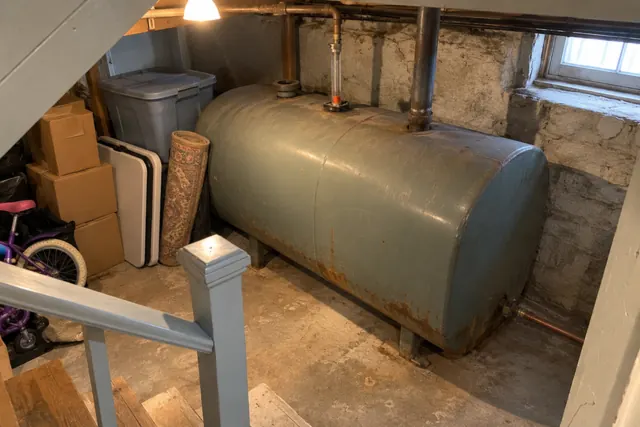
Residential pricing for a standard Twin Cities tank runs $2,000 to $4,500 with clean soil and accessible ground. Basement and cold-weather access jobs climb to $3,500 to $6,000 because frozen ground and careful thaw management slow crews down. Commercial tank removal at gas stations or farm bulk plants starts around $5,000 per tank. If contamination shows up, environmental remediation adds $10,000 to $50,000 or more, with frozen soil sampling pushing the timeline into the next thaw season. Minnesota's Petrofund reimburses eligible tank owners for a significant share of cleanup costs, aligned with the federal LUST Trust Fund program. Our oil tank removal cost guide breaks out the variables.
A clean residential removal wraps in one day during warm-weather months, with soil lab results returning in five to ten business days. Winter work is limited because frozen ground forces thaw equipment or a schedule shift to spring or fall. If contamination shows up, the project converts to a remediation case with state oversight, and timelines stretch from weeks to many months, especially if sampling pauses for winter. Before signing a contract, ask for the contractor's MPCA certification number, a recent Twin Cities or Duluth tank decommissioning report, and written pricing that covers seasonal delays and contamination outcomes. Browse Minnesota tank removal contractors or submit your quote request to start your project.
Oil Tank Removal Contractors in Minnesota
Browse contractors, see contact details, and request free quotes.
Browse Minnesota Contractors →Frequently Asked Questions
Do I need a certified contractor to remove a UST in Minnesota?
Yes. State environmental rules require UST removal to be performed by a certified closure contractor, whether the tank is a 275-gallon basement unit or a 20,000-gallon industrial system. Owners cannot pump, cut, or bury a tank without that certification. Unregistered work voids Petrofund eligibility and can trigger enforcement action. Your contractor files the closure report and certifies soil conditions after excavation.
How much does oil tank removal cost in Minnesota?
A standard residential tank removal runs $2,000 to $4,500 in the Twin Cities with clean soil. Basement and cold-weather jobs reach $3,500 to $6,000 due to frozen ground management. Commercial UST removal at gas stations or farm bulk sites starts around $5,000 per tank. Contamination adds $10,000 to $50,000 or more, and winter weather can delay sampling until thaw. Our pricing guide breaks out each variable.
How long does a tank removal in Minnesota take?
Clean residential jobs wrap in one day when the ground is not frozen. Cold-weather and basement work can extend to two or three days, and lab results add five to ten business days. Contamination converts the project into a remediation case that can stretch months, especially when a winter freeze pauses soil sampling. Plan around the seasonal calendar and the lab schedule, not the dig day.
Can a Minnesota oil tank removal be done in winter?
Yes, but the practical answer is that winter work is limited. Frozen ground makes excavation slow, costly, and risky for tank integrity, and soil sampling cannot be performed accurately on fully frozen ground without specialized protocol. Most contractors schedule non-urgent removals for spring, summer, or fall when ground conditions allow clean excavation and faster lab turnaround. Emergency removals for leaking tanks or property transactions can happen in winter with thaw equipment and added cost, typically $2,000 to $5,000 above a warm-weather quote. Expect longer lab turnaround if samples ship to labs that pause cold-weather testing.
How does Minnesota's Petrofund work for tank closure reimbursement?
Minnesota's Petrofund reimburses eligible tank owners for a significant portion of corrective action expenses on petroleum releases. The program covers soil sampling, remediation, monitoring, and some contractor costs tied to an investigation. Owners must be current on fund fees, the release must be properly reported, and a registered closure contractor must handle the work. Fund processing runs several months and requires detailed invoices tied to the specific site. Not every release qualifies, and denial can leave substantial cost with the tank owner.
Browse contractors, see contact details, and request free quotes.
Browse Minnesota Contractors →For Minnesota UST regulations, visit the MPCA Petroleum Tanks. Federal requirements are available from the EPA UST Program.
