

What to Know About Site Assessment in Massachusetts
Massachusetts holds site assessment to a higher bar than most states require. Properties with current or former underground storage tanks fall under Chapter 21E and the Massachusetts Contingency Plan, codified at 310 CMR 40.0000. Environmental investigations triggering release reporting must be directed by a Licensed Site Professional, while the MassDEP Bureau of Waste Site Cleanup runs the program and issues a Release Tracking Number for each confirmed release. Commercial buyers and lenders typically commission a Phase I ESA to satisfy ASTM E1527 and secure Bona Fide Prospective Purchaser protections. The LSP credential is unique to Massachusetts.
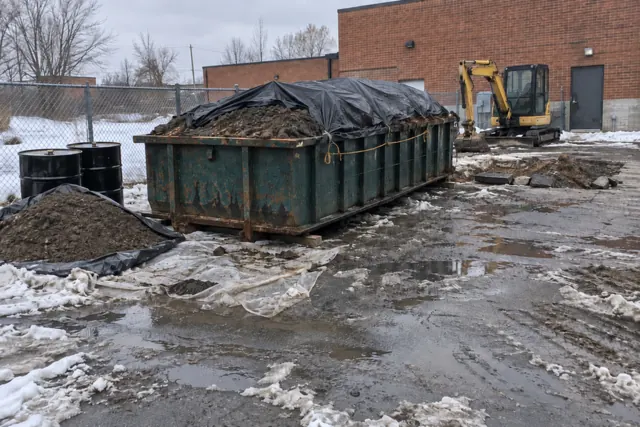
Demand for environmental investigation work concentrates around Boston's redevelopment corridors. Former industrial parcels in Cambridge, Somerville, and Charlestown change hands at high frequency, and most closings require Phase II review of recognized environmental conditions. Mixed-use conversions along Worcester's Canal District and the Springfield I-91 corridor frequently uncover historical heating oil tanks and petroleum spills from former garages. New Bedford and Fall River carry legacy contamination from textile mills and waterfront fueling, which pulls Phase II testing into nearly every commercial transaction. Lowell and Lawrence show similar mill-redevelopment patterns along the Merrimack Valley, while Cape Cod sole-source aquifer designations mean property assessments there often require denser groundwater sampling than the rest of the state.
Massachusetts Phase I ESA pricing typically runs $2,000 to $4,500 because LSP review and Greater Boston operating costs push estimates above the national average. Phase II ESAs with soil borings and groundwater monitoring wells typically run $5,000 to $15,000. Complex urban sites in Cambridge or downtown Boston can push past $20,000 because of permitting friction and limited drilling access. Soil sampling at $500 to $2,000 per location adds up quickly when MCP reporting requires multiple borings to delineate a release. The state runs no dedicated UST reimbursement fund, so property owners self-fund Phase II work or negotiate cost-sharing into purchase agreements. Releases reported under Chapter 21E trigger LSP-directed response actions whose total cost depends on the contamination footprint.
The Massachusetts process starts with a Phase I records review documenting past UST locations, fill pipes, prior tenant operations, and any Release Tracking Numbers tied to the parcel. If recognized environmental conditions appear, an LSP scopes Phase II soil borings, monitoring well installation, and laboratory analysis under MCP protocols. Field work and reporting typically takes 60 to 120 days from scope approval, though lender-driven transactions in Boston and along the I-495 belt often run on tighter timelines than the LSP can comfortably accommodate. Before signing, property owners should confirm the contractor carries an active LSP designation and ask whether field crews hold current HAZWOPER training for working in suspected release zones. Request a fixed-fee Phase I scope and a not-to-exceed Phase II estimate before signing the engagement letter.