Environmental Remediation Contractors in New York
Find environmental remediation contractors in New York for soil cleanup, groundwater treatment, brownfield redevelopment, and UST site closure. Serving New York City, Buffalo, Rochester, Albany, and communities across Long Island and the Hudson Valley.
What to Know About UST Remediation in New York
New York requires UST remediation under NYSDEC's strict petroleum cleanup rules. The state's Petroleum Bulk Storage program enforces 6 NYCRR Part 613 and Part 375 cleanup objectives, with regional offices reviewing every closure submission. Most projects begin with a property assessment to identify former tank locations and historical fuel use before any subsurface scoping. Site Characterization, Remedial Action Work Plan approval, and a NYSDEC closure letter follow under DER-10 Technical Guidance, with cleanup objectives keyed to land use and aquifer proximity. Empire State owners face tighter scrutiny near Long Island's sole-source aquifer and the Catskill watershed, where stricter soil and groundwater cleanup goals apply regardless of land use category.
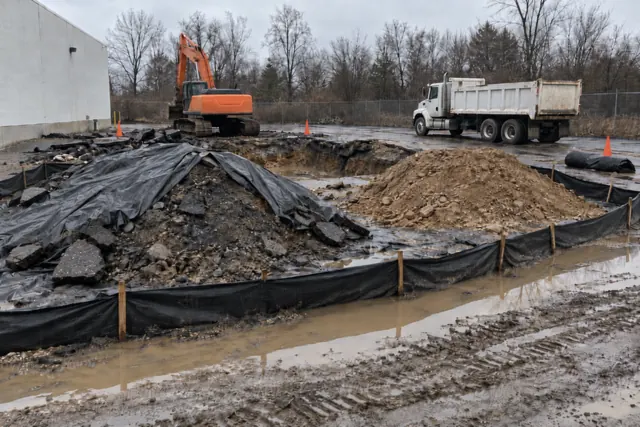
Demand concentrates across New York City, Long Island, and the upstate industrial corridors. Manhattan, Brooklyn, and Queens generate constant casework from heating oil tanks beneath brownstones and commercial buildings, much of it under NYC Office of Environmental Remediation oversight. Buffalo and Rochester see steady NYSDEC Region 8 and Region 9 work tied to former service stations and waterfront industrial parcels. Long Island towns like Hempstead, Huntington, and Riverhead face the strictest closure standards because Suffolk and Nassau counties draw drinking water directly from the sole-source aquifer below. For methods detail on each contamination type, review site cleanup methods before scoping a project.
Cleanup costs in New York vary widely based on contamination depth, plume size, and proximity to public water supplies. A residential heating oil tank cleanup with limited soil impact typically runs $10,000 to $30,000 from excavation through closure. Commercial gas station projects in Buffalo, Albany, and the five boroughs commonly fall between $75,000 and $350,000, while complex urban plumes beneath occupied Manhattan buildings push past $750,000. Groundwater treatment systems add $40,000 to $200,000 depending on duration and target compounds. The New York State Spill Compensation Fund may reimburse eligible third-party victims, while the remediation process covers non-state-specific cost drivers.
Selecting the right contractor controls timeline and total spend on any New York cleanup. Verify the firm carries active workers compensation coverage and that field crews hold valid HAZWOPER training credentials before mobilization to a NYSDEC site. Ask for three recent closure references from sites with comparable hydrogeology, whether Long Island sandy outwash, Hudson Valley glacial till, or NYC fill material over bedrock. Confirm the contractor uses a New York licensed Professional Engineer or Professional Geologist to seal the Remedial Action Work Plan, since unsealed submittals stall at regional review. Request a fixed-fee proposal with a not-to-exceed cleanup cap, and collect free quotes from three New York firms before signing.
remediation Contractors in New York
Browse contractors, see contact details, and request free quotes.
Browse New York Contractors →Frequently Asked Questions
How much does UST remediation cost in New York?
Residential heating oil tank cleanups with limited soil impact typically run $10,000 to $30,000 in New York. Commercial gas station projects in Buffalo, Rochester, and Yonkers commonly fall between $75,000 and $350,000 once disposal and lab work are included. Manhattan and Brooklyn industrial parcels with chlorinated solvents or vapor intrusion can pass $750,000. Confirm whether soil characterization sampling sits inside or outside the base contract before signing.
Does New York have a state cleanup fund for UST releases?
New York operates the Environmental Protection and Spill Compensation Fund administered alongside NYSDEC, which can reimburse eligible third-party damages and direct cleanup costs. Tank owners pay upfront and pursue recovery through approved invoices, lab data, and detailed cost documentation. The State Superfund Program covers state-led cleanups when no viable responsible party exists, and the Brownfield Cleanup Program offers tax credits for voluntary remediation. Application processing through the Spill Fund typically runs 12 to 24 months.
How long does the NYSDEC closure process take?
A clean residential closure with no contamination typically completes within 60 to 90 days from excavation through Spill Number closeout. Contaminated commercial sites with active groundwater treatment routinely run 18 months to 4 years before NYSDEC issues a No Further Action determination. The Remedial Action Work Plan review alone adds 90 to 180 days depending on regional office workload, with Region 2 covering NYC running busiest. Sites near the sole-source aquifer or Catskill watershed often require additional post-treatment monitoring rounds.
When must I report a suspected UST release in New York?
New York law requires petroleum releases to be reported to the NYSDEC Spill Hotline within two hours of discovery. The hotline at 1-800-457-7362 accepts calls from contractors, homeowners, and facility operators across the state. Failure to report within the window triggers enforcement actions, increased liability, and loss of Spill Fund eligibility. Once reported, the property owner receives a Spill Number that tracks the cleanup through closure and all future correspondence.
Who has to certify a UST cleanup in New York?
NYSDEC requires the Remedial Action Work Plan to be sealed by a New York licensed Professional Engineer or Professional Geologist before regional review begins. The same professional typically signs the Site Characterization Report and the closure submittal supporting the No Further Action determination. Property owners should verify the licensed professional's name and license number through the New York State Education Department's online license lookup. Unsealed submittals stall indefinitely at regional review.
Browse contractors, see contact details, and request free quotes.
Browse New York Contractors →For New York UST regulations, visit the New York Department of Environmental Conservation. Federal requirements are available from the EPA UST Program.
