
Oil Tank Removal Contractors in Louisiana

Find Louisiana contractors for oil tank removal, UST closure, UST decommissioning, heating oil tank closure, petroleum tank removal, parish-permitted excavation, and environmental remediation. Serving New Orleans, Baton Rouge, Lake Charles, Shreveport, Lafayette, Metairie, Kenner, Bossier City, and communities statewide.

Browse Louisiana Contractors →

What to Know About Oil Tank Removal in Louisiana

Louisiana oil tank removal falls under the LDEQ UST Program. The Department of Environmental Quality manages UST registration, closure notifications, contractor certifications, and corrective action under federal 40 CFR 280 rules. Louisiana Administrative Code Title 33 Part XI governs state-specific closure procedures and corrective-action timelines. Commercial UST closure at gas stations, refinery support yards, and industrial sites must be performed by a state-registered UST contractor. Residential heating oil tank closure below the regulated threshold does not require state registration, though soil sampling and tank disposal records still apply.
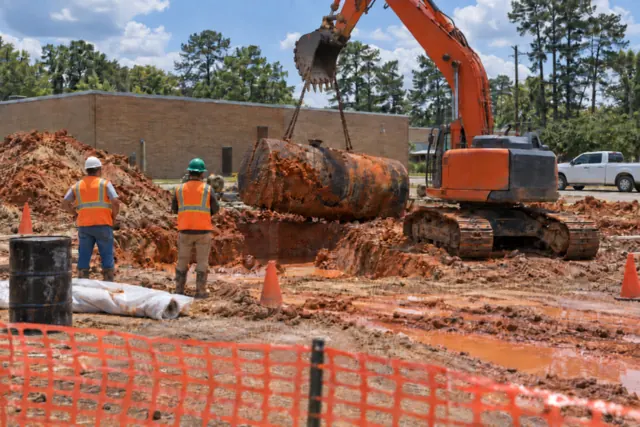
Louisiana's tank removal market concentrates in Orleans and Jefferson Parishes around New Orleans, East Baton Rouge Parish, and Calcasieu Parish around Lake Charles. Caddo and Bossier Parishes serve Shreveport, and Lafayette Parish anchors work across Acadiana. Lake Charles and the Mississippi River Chemical Corridor between Baton Rouge and New Orleans concentrate industrial UST and refinery-support tank work. Gulf Coast flood-plain conditions and high groundwater drive unique site-prep needs on tank closure jobs, particularly below I-10 in coastal parishes. Older Uptown New Orleans, Algiers, Baton Rouge Garden District, and Shreveport turn up residential heating oil tanks on real estate closings.

Residential oil tank removal in Louisiana typically runs $1,500 to $3,500 for a standard buried tank, with basement jobs rare due to flood-plain slab-on-grade construction. Commercial petroleum tank removal at gas stations and fleet yards runs $5,000 to $18,000 per tank before remediation. If soil sampling exceeds LDEQ cleanup standards, environmental remediation adds $5,000 to $40,000 or more, particularly on sites with high groundwater or saturated soils. Louisiana's Motor Fuels UST Trust Fund reimburses eligible commercial owners for corrective action and third-party damages on qualifying releases, aligned with federal LUST Trust Fund support. Our cost guide breaks down pricing by tank size, soil condition, and site access.

A typical Louisiana job starts with Louisiana One Call (811) utility locates, then tank pumping, degassing, excavation, visual inspection, and soil sampling at the tank bed. A clean residential closure wraps in one day; commercial multi-tank sites stretch to three to six days. Remediation runs weeks to months when a release triggers LDEQ corrective-action review, especially on saturated-soil sites. Before signing, verify the contractor is registered with LDEQ as a UST professional, carries pollution liability insurance, and has worked similar parish flood-plain conditions. For residential jobs, keep lab soil results and the closure report with the property records, which parish assessors and buyers increasingly request at sale. Contractors active in your area are listed under the Louisiana UST contractor directory, and you can start a quote for direct pricing.

Closure of an underground tank in Louisiana triggers a soil sampling requirement. Samples are pulled from beneath the tank bed and along the product and vent lines. Each sample is analyzed for petroleum hydrocarbons against LDEQ UST Program cleanup standards. Results above the action level trigger a corrective action track and can push a straightforward oil tank removal into a multi-month remediation. The sampling lab must be a Louisiana-approved environmental laboratory. Chain-of-custody paperwork from the field to the lab is part of the closure record. Clean results clear the site for a no-further-action letter from LDEQ UST Program once the closure report is accepted. Some contractors bundle the sampling into the closure bid; others treat it as a line item. Property owners should confirm which approach their contractor uses before work begins, because the analytical cost can move a project budget by several thousand dollars.

Oil Tank Removal Contractors in Louisiana

Browse contractors, see contact details, and request free quotes.

Browse Louisiana Contractors →

Frequently Asked Questions

Do I need a licensed contractor to remove an oil tank in Louisiana?

For regulated commercial UST work, Louisiana requires a state-registered UST contractor certified by LDEQ under federal 40 CFR 280 rules. Residential heating oil tank closure below the regulated threshold does not require state registration by law. Most Louisiana homeowners still hire a licensed environmental contractor because saturated soils and flood-plain conditions make field experience critical. Louisiana One Call (811) locates are mandatory before any excavation. Parish permits may apply on top of state rules in Orleans, Jefferson, East Baton Rouge, and Lafayette Parishes.

How much does oil tank removal cost in Louisiana?

Residential removal in Louisiana typically runs $1,500 to $3,500 for a standard buried tank; basement jobs are rare due to flood-plain slab-on-grade construction. Commercial petroleum tank removal at gas stations and fleet yards runs $5,000 to $18,000 per tank before remediation. If soil contamination is discovered, environmental remediation can add $5,000 to $40,000 or more, particularly at high-groundwater sites. Louisiana's Motor Fuels UST Trust Fund may reimburse eligible commercial owners for corrective action costs under federal financial responsibility rules. See our cost guide for pricing by tank size, soil condition, and site access.

How long does oil tank removal take in Louisiana?

A straightforward residential tank closure in Louisiana typically takes one day for field work, including excavation, tank pumping, and initial soil sampling. Commercial closure at gas stations or refinery support yards runs three to six days depending on tank count and access. If soil sampling triggers LDEQ cleanup review under federal 40 CFR 280, paperwork adds 8 to 16 weeks before closure. Saturated-soil sites south of I-10 and along the Mississippi River Corridor often run longer because dewatering and shoring add field time.

Does Louisiana's Motor Fuels UST Trust Fund cover residential heating oil tank cleanup?

Louisiana's Motor Fuels UST Trust Fund primarily reimburses eligible commercial owners for corrective action costs and third-party damages from qualifying regulated-UST releases. Residential heating oil tanks below the regulated threshold fall outside program scope in most cases. Coverage is funded by a per-gallon motor fuel tax and registration fees, aligned with federal financial responsibility rules. Commercial owners should file fund paperwork before starting cleanup because pre-authorization affects reimbursement. Homeowners with a leaking residential heating oil tank usually rely on homeowner insurance or out-of-pocket cleanup.

What makes Louisiana tank removal different from other Gulf states?

Louisiana uses parishes rather than counties, so permit coordination runs through parish offices in Orleans, Jefferson, East Baton Rouge, Calcasieu, Caddo, and Lafayette. High groundwater and saturated soils require dewatering, sheet piling, or temporary shoring at many South Louisiana sites. Sites along the Mississippi River Chemical Corridor may need additional coordination because of adjacent industrial operations. Hurricane season from June through November can delay field work and shift schedules in coastal parishes. Always verify the contractor has worked similar parish flood-plain conditions and can document closure reports that satisfy LDEQ review.

Looking for a contractor in Louisiana?

Browse contractors, see contact details, and request free quotes.

Browse Louisiana Contractors →

For Louisiana UST regulations, visit the LDEQ UST Program. Federal requirements are available from the EPA UST Program.

Related Services in Louisiana

Find Louisiana ContractorsRequest a Free Quote
Free Quotes